

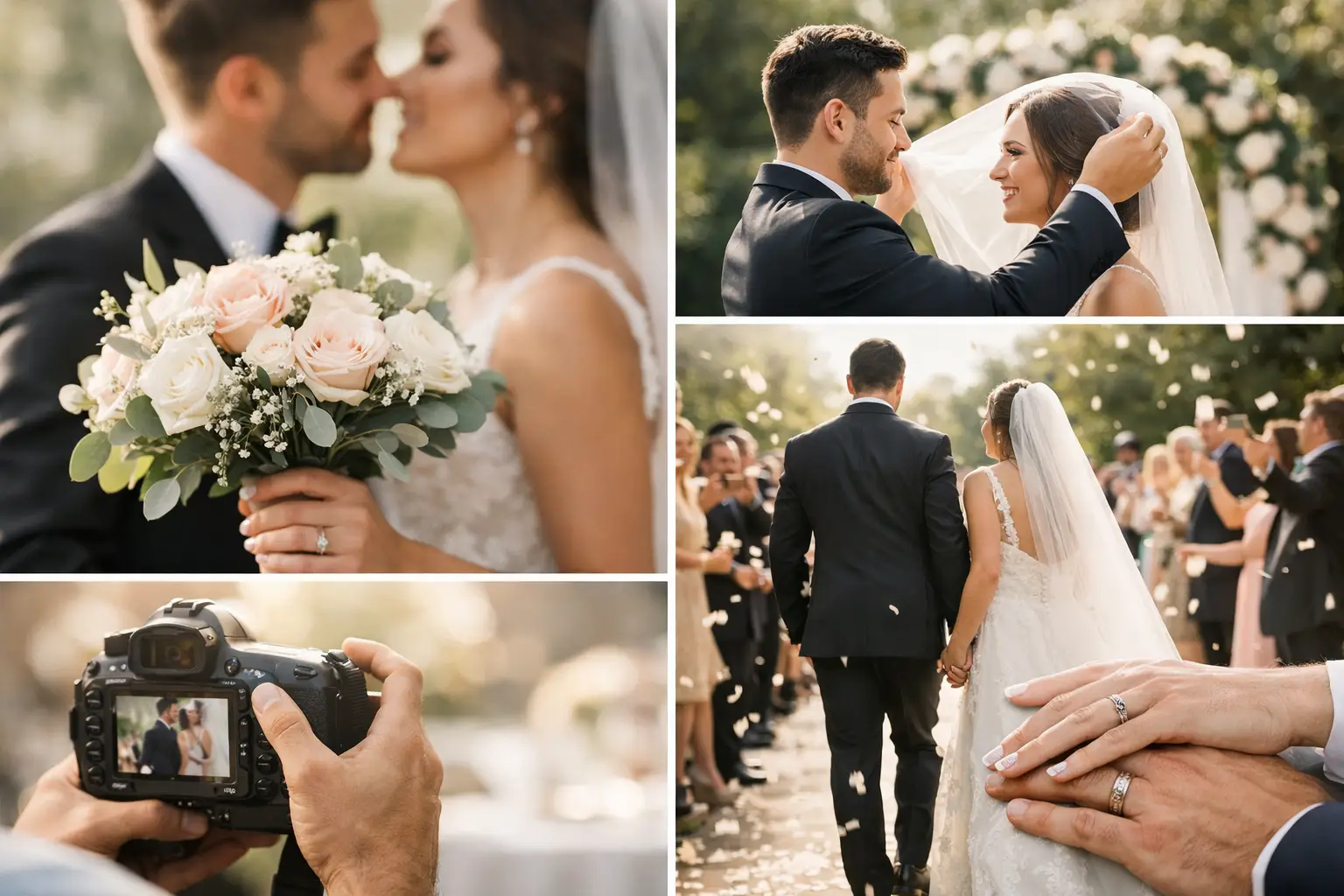
The last button fastened on a wedding dress, a parent seeing their child ready to marry, the nervous laugh before the ceremony – these are the seconds couples remember differently once the day has flown by. A thoughtful wedding day photo checklist helps protect those memories without turning your celebration into an all-day photo shoot.
At Adorable Times Photography, we have seen weddings across New Jersey, New York, and Pennsylvania move quickly, beautifully, and sometimes unpredictably. The best photographs come from preparation combined with room for real emotion. Use this checklist to communicate what matters most to you, then trust your photography team to recognize the moments you cannot plan.
Start With the Photos That Tell Your Story
A checklist is not a script. It is a way to make sure your photographer understands the people, traditions, and details that give your wedding its meaning. Before the wedding, share the names of your closest family members, your wedding party, and any guests who must be included in formal portraits.
Also explain what is personal to your day. Perhaps you are wearing your grandmother’s earrings, incorporating a cultural ceremony, exchanging private letters, or planning a first look with your father. These are not small details. They are the pieces that turn a beautiful image into a family memory.
Keep your must-have list focused. A page of priorities is helpful; a list of 150 rigid poses can take valuable time away from your guests and your celebration. If you have a large family or multiple combinations of relatives, appoint one organized person who knows everyone and can gather them for formal photos.
Getting Ready Photos
The morning holds a kind of quiet excitement that cannot be recreated later. Give your photography team access to the room where you are getting ready, and set aside your key details in one clean, well-lit spot before hair and makeup begin.
Your getting-ready portion of the wedding day photo checklist should include:
- Wedding dress or suit, shoes, jewelry, veil, cufflinks, fragrance, and other accessories
- Rings, invitation suite, vow books, and any heirloom or sentimental item
- Hair and makeup finishing touches, laughter with the wedding party, and candid family interactions
- Final dressing moments, such as fastening buttons, adjusting a tie, or putting on a veil
- A reveal or first look with a parent, sibling, wedding party, or partner if you choose one
Natural light makes a noticeable difference, so choose a preparation space with windows when possible. Hotel suites, home bedrooms, and venue bridal rooms all work, but crowded rooms and cluttered counters can distract from otherwise meaningful photos. This does not mean everything must look perfect. A little real-life bustle is part of the story. Simply clear the areas closest to where you will dress.
Ceremony Moments You Will Want to Relive
Your ceremony is often the emotional center of the entire day. Some moments are traditional, while others depend on your faith, culture, venue, and personal plans. Let your photographer know about any restrictions before the wedding, especially in houses of worship where movement or flash may be limited.
Photographs to prioritize include the venue before guests arrive, meaningful décor, guests being seated, the processional, and each partner’s expression during the entrance. The exchange of vows, rings, first kiss, recessional, and immediate congratulations are essential, but the in-between reactions often become favorites too. A tearful grandparent, a child tossing petals, or the smile shared after you are pronounced married can carry just as much feeling as the formal moment.
If you are planning an unplugged ceremony, tell guests clearly and have your officiant make an announcement. It helps your professional team capture faces and emotions rather than a row of raised phones.
Wedding Day Photo Checklist for Family Portraits
Family portraits are the photographs that tend to become framed gifts, holiday cards, and keepsakes for generations. They deserve a clear plan, especially when your wedding includes blended families, elderly relatives, young children, or a large guest count.
Begin with the largest groups, then gradually release people as the combinations become smaller. For example, start with both families together if appropriate, move to each immediate family, then take photos with parents, siblings, grandparents, and any special relatives. Allow approximately three to five minutes per grouping, with more time for large or complicated families.
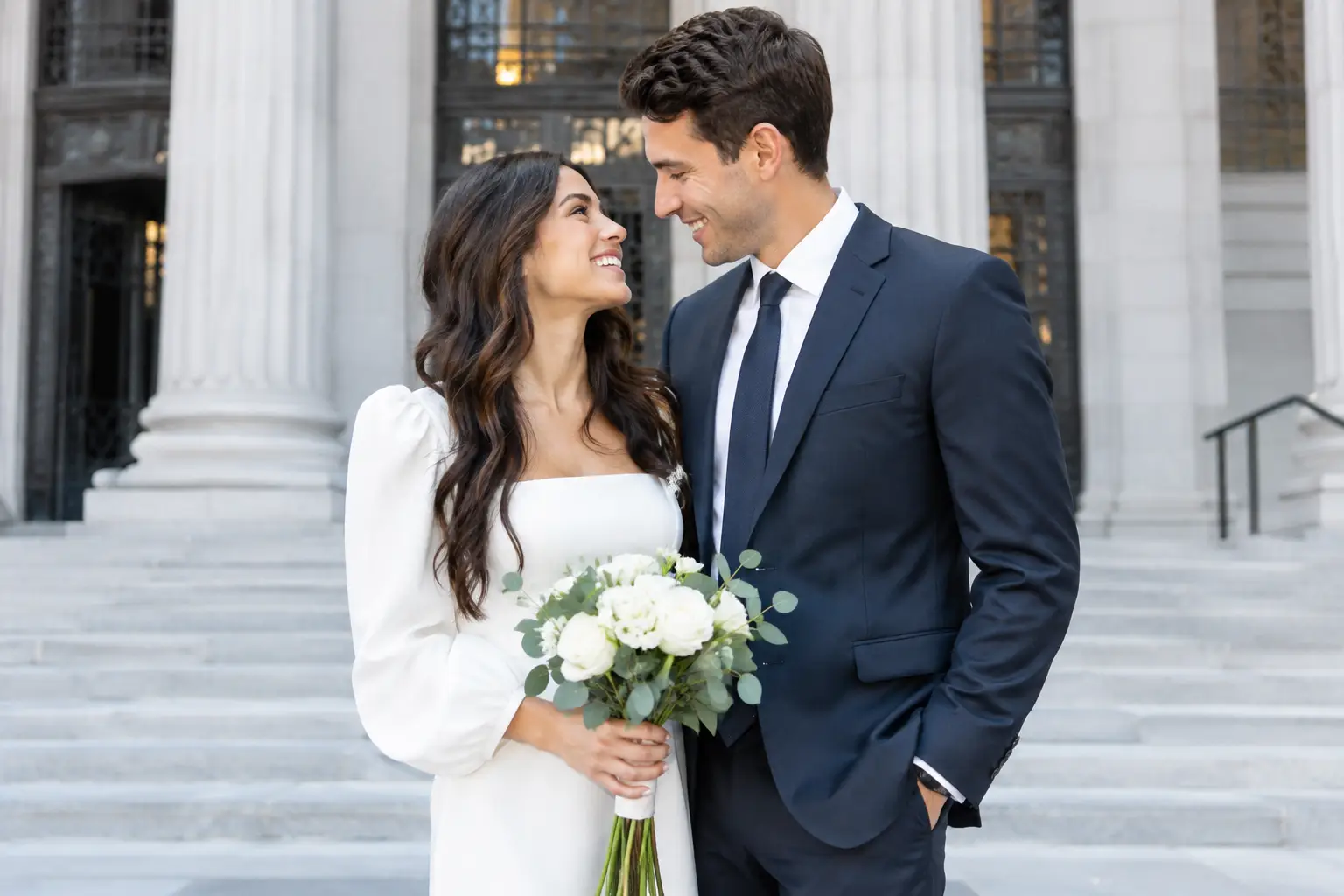
The best timing depends on your schedule. Many couples choose to photograph immediate family before the ceremony, after the ceremony, or during cocktail hour. Pre-ceremony portraits can protect cocktail-hour time, but they may require a first look. Post-ceremony photos preserve the traditional reveal at the aisle, though they may mean guests wait a little longer before seeing you. There is no single right answer – the choice should fit the rhythm you want for your day.
Couple Portraits Need Time, Not Perfection
Your wedding portraits should feel like you on one of the happiest days of your life, not like a performance. Plan at least 20 to 30 uninterrupted minutes for couple portraits, plus travel time if you want photos at a separate location. If sunset matters to you, reserve a short 10-minute window later in the evening for warm, romantic light.
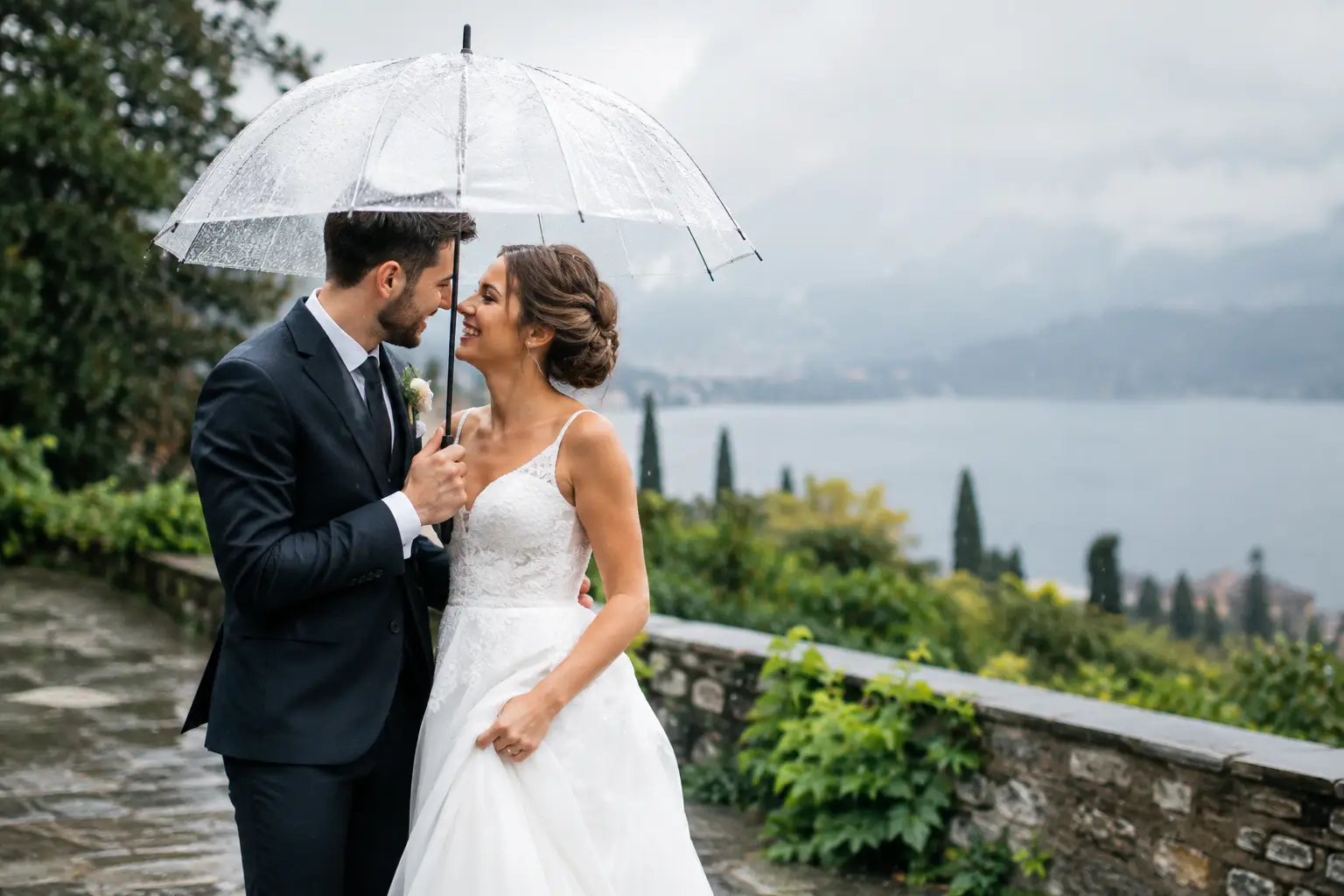
Bring comfortable shoes for walking between locations, particularly at parks, waterfronts, city streets, or large estate venues in the Northeast. Weather also deserves a backup plan. Rain can be romantic in photographs, but umbrellas, covered areas, and a flexible timeline prevent stress if conditions change.
A skilled photographer will guide you into flattering light and give enough direction to help you feel comfortable. Then the real connection takes over: the hand squeeze, the unexpected joke, the moment you pause and realize you are finally married.
Reception Photos That Capture the Energy
The reception is where the careful planning gives way to celebration. Make sure your photographer receives the final timeline, including introductions, first dance, parent dances, toasts, dinner service, cake cutting, cultural traditions, and exit plans.
Reception coverage should document both the big events and the atmosphere around them. Wide photographs show the room you worked hard to create. Close-up details preserve place cards, centerpieces, cake design, and favors. Candid images of guests hugging, children dancing, and friends cheering create the full record of how the room felt.
Consider whether you want a grand exit photographed. Sparklers, glow sticks, flower petals, vintage cars, and private last dances all create memorable images, but they require coordination. Ask your venue about rules, tell your photographer the exact timing, and designate someone to gather guests when the moment arrives.
Make Room for Video, Too
Photography freezes a moment. Videography preserves the voices, music, movement, and laughter inside it. If you are booking both services, share the complete schedule with the photo and video team so they can work together without blocking one another during the ceremony, toasts, and first dance.
A few audio-rich moments are especially worth planning for: private letters read aloud, vows, speeches, a parent dance, and a final toast. Clip-on microphones and a coordinated team can make the difference between simply seeing a moment and hearing it again years from now.
Give Your Team the Information They Need
A dependable wedding photography experience begins well before the first photo. Send your team the venue addresses, parking instructions, contact information for your planner or coordinator, names of key family members, and your final timeline. Mention divorces, family sensitivities, mobility needs, or relationships that require care. These details allow your team to direct portraits respectfully and efficiently.
Most of all, build breathing room into the schedule. A realistic timeline accounts for traffic, bustle adjustments, unexpected hugs, and the fact that weddings do not run by the minute. When you are not rushed, your expressions stay relaxed and your photos feel more natural.
Your checklist is there to protect the memories you already know you want. Leave a little space around it for the ones you have not imagined yet: your spouse’s face across the room, your friends singing every word, or the quiet handhold after the last guest has gone home.

Pingback: A Cinematic Wedding Film Review for Real Couples - Adorable Times Photography