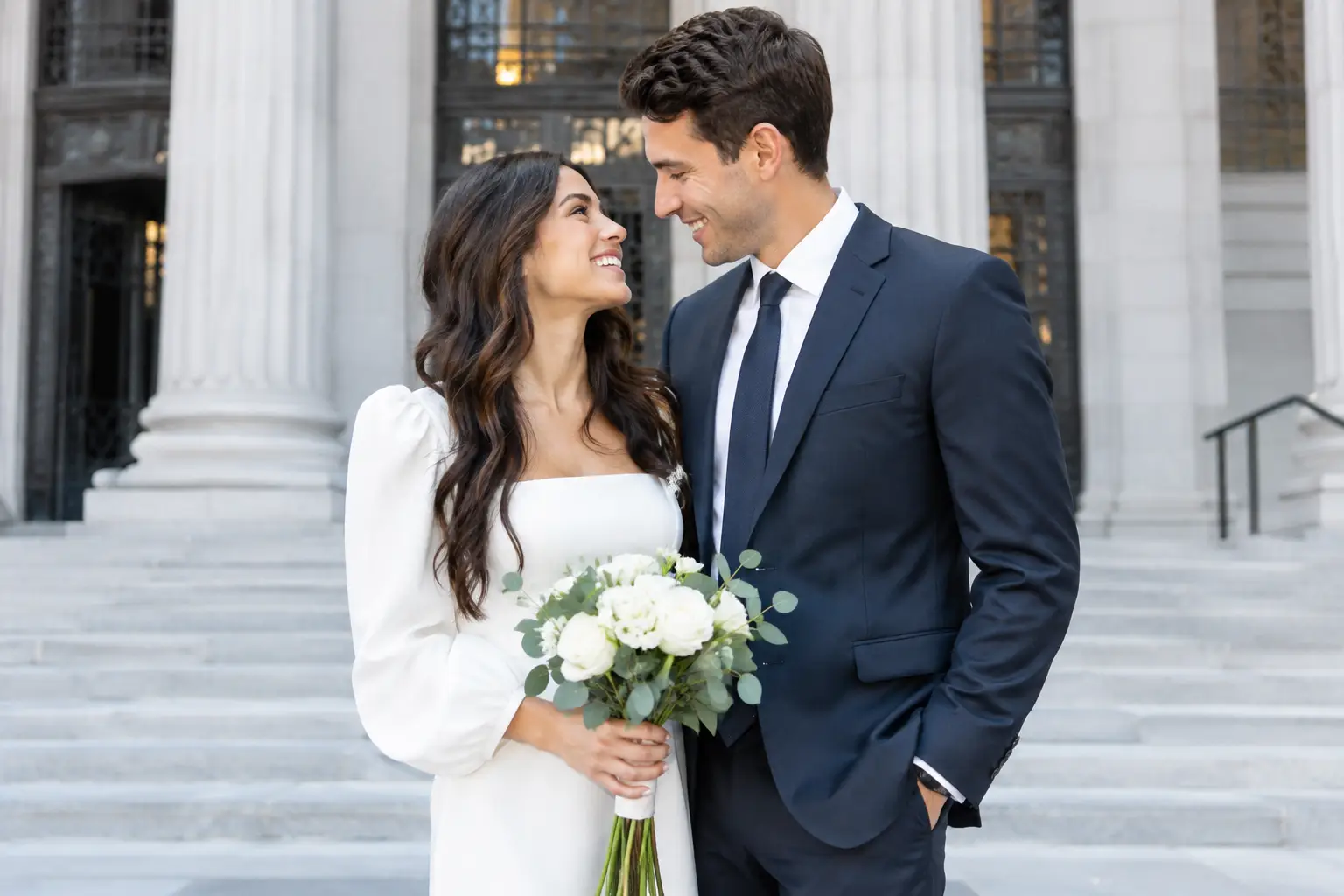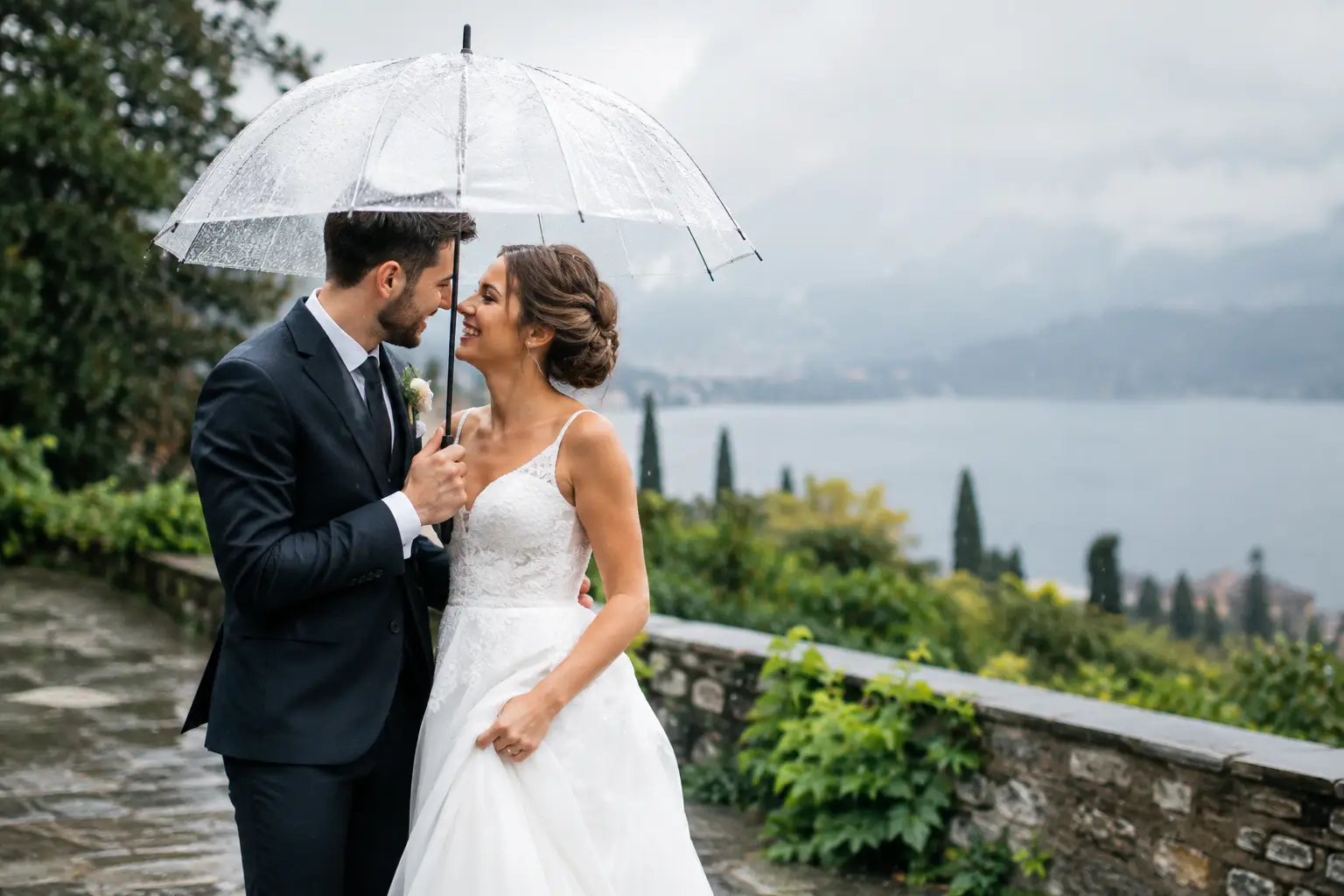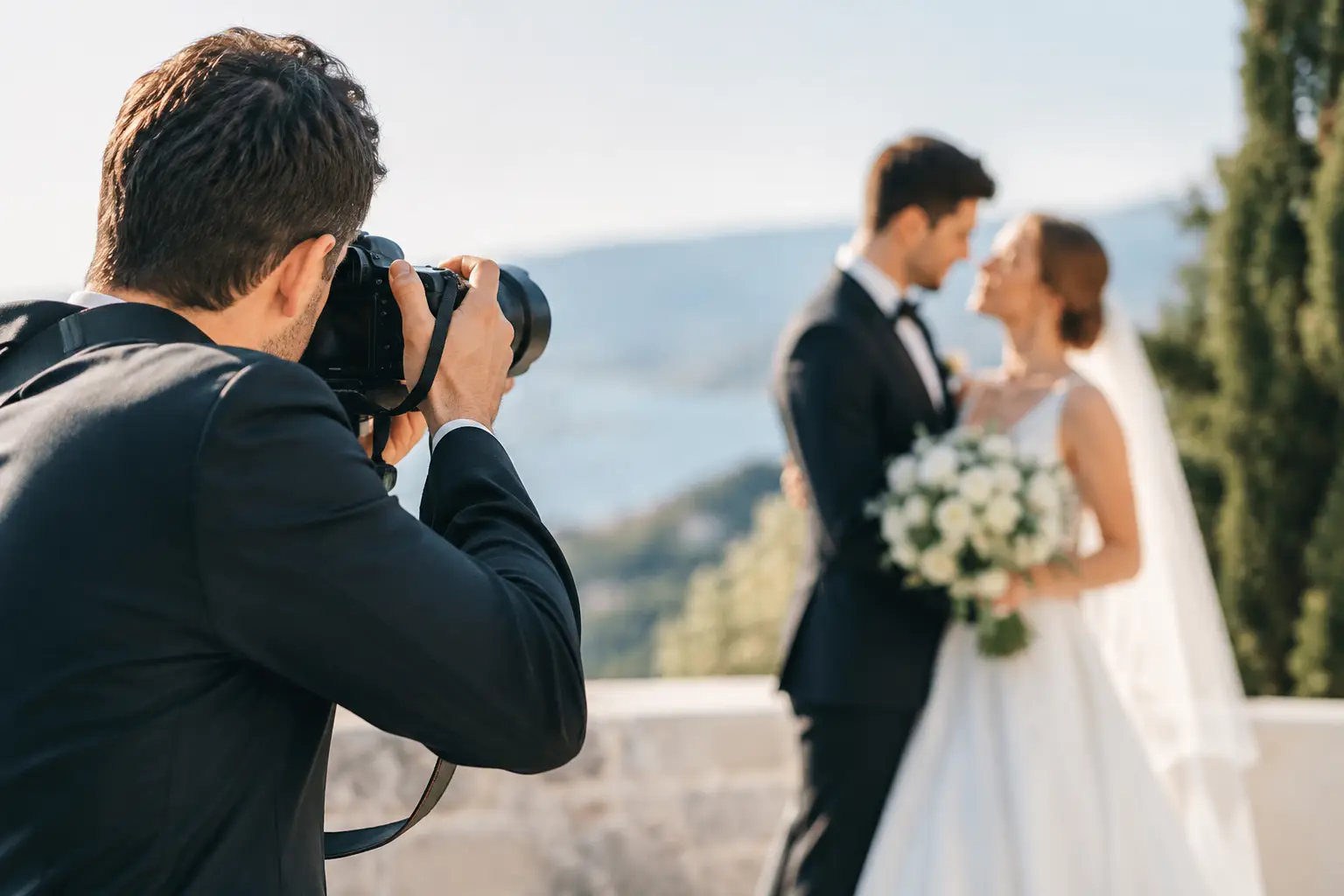

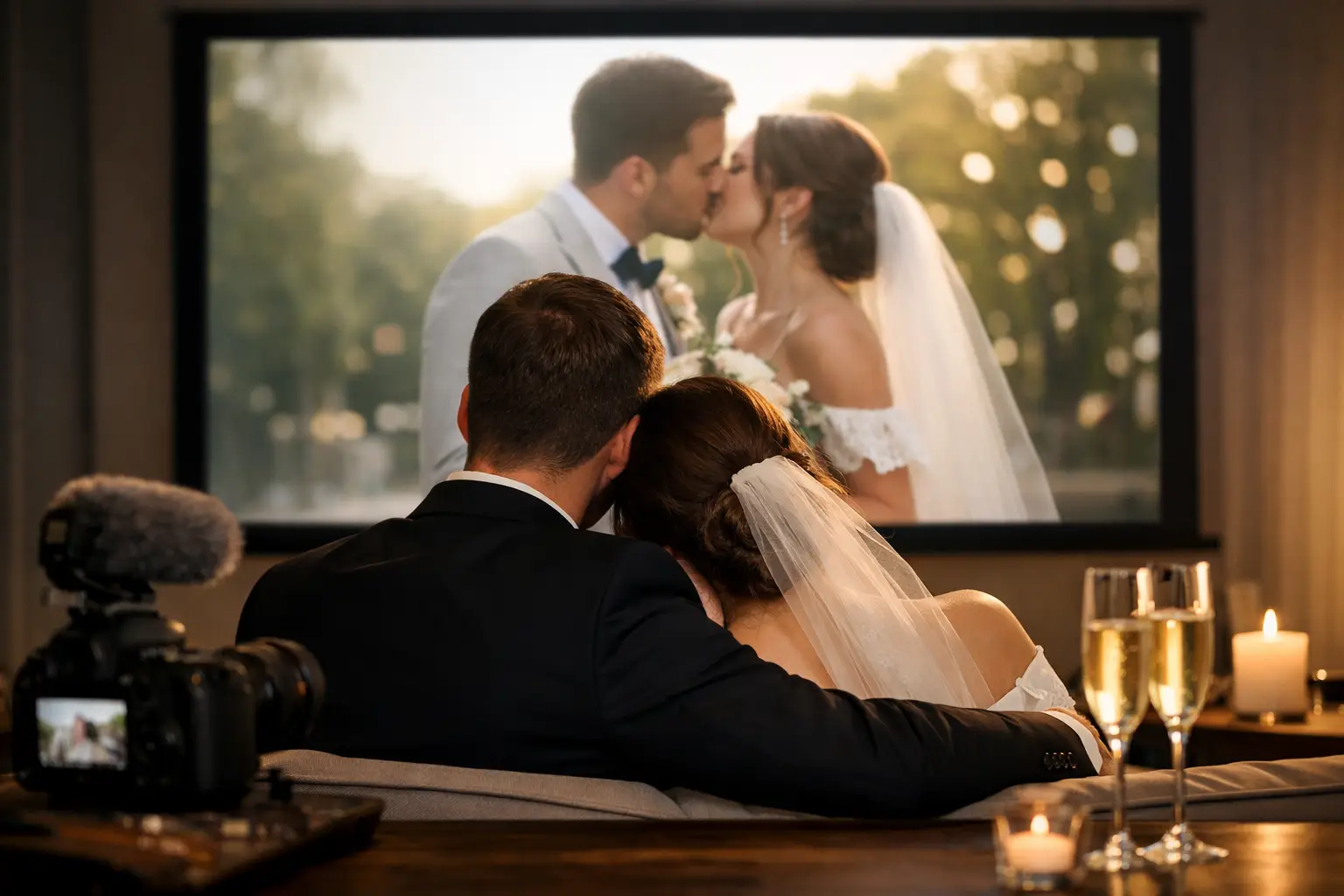
The ceremony lasts minutes. The first dance passes quickly. A parent’s voice during a toast, the nervous laugh before the aisle, and the cheers when you are pronounced married are the moments a cinematic wedding film review should bring back to life. For couples planning a wedding in New Jersey, New York, or Pennsylvania, the question is not simply whether a video looks beautiful. It is whether it feels like your day.
A true cinematic wedding film combines professional technique with honest emotion. It does not turn your celebration into a staged movie set, and it should never pull you away from your guests for hours. Instead, it preserves the energy, personalities, and meaningful details that made the day yours, then shapes them into a story you will be proud to revisit for decades.
What Makes a Wedding Film Feel Cinematic?
The word “cinematic” is used often in wedding videography, but it should mean more than slow-motion footage and dramatic music. A well-made film has intention. Every clip, voiceover, song change, and transition should help tell the story of your wedding day.
The strongest films usually begin with anticipation. There may be a close-up of a wedding dress being buttoned, a groom reading a letter, or family members gathering before the ceremony. These quieter moments set the emotional tone before the celebration becomes busy. From there, the film builds naturally through the ceremony, portraits, reception entrances, toasts, dancing, and farewell.
Sound is one of the biggest differences between a basic wedding video and a cinematic film. Clear vows, meaningful speeches, laughter, and applause make the experience personal. Music can support the emotion, but it should not cover the voices that matter most. Years from now, hearing your loved ones speak may be just as moving as seeing them on screen.
Visual quality matters, too. Thoughtful camera movement, flattering lighting, crisp detail, and balanced color create a polished result. Yet polished does not mean overly filtered. Skin tones should look natural, your venue should feel recognizable, and the film should reflect the atmosphere you worked hard to create.
Cinematic Wedding Film Review: What to Look For
When reviewing a videographer’s work, start by watching more than a short social media highlight. A 30-second reel can show attractive shots, but it cannot reveal whether the team can tell a complete story, capture usable audio, or maintain quality throughout a full wedding day.
Pay attention to how the film begins and ends. Does it establish a sense of place and personality? Does the ending feel earned, perhaps through a final dance, a private moment, or words from a speech that bring the story full circle? A memorable wedding film has pacing. It knows when to slow down for a parent’s embrace and when to let the dance floor feel joyful and alive.
Also look for candid emotion. Your wedding should include beautiful portraits, but it should not feel like every frame was directed. The strongest films balance elegant, composed images with real reactions: a grandparent wiping away a tear, friends celebrating after the ceremony, or the two of you sharing a quiet glance when no one else notices.
Consistency is another sign of experience. A skilled wedding videography team can work in a bright outdoor garden, a dimly lit ballroom, a church, or a fast-moving city venue without making the final film feel disconnected. Weddings move quickly. There are no second takes for the first kiss, a spontaneous toast, or the moment your father sees you ready to walk down the aisle.
The Difference Between a Highlight Film and Full Coverage
Couples often assume a cinematic wedding film includes every minute of the day. Sometimes it does, but usually the term refers to an edited highlight film that condenses the best moments into an emotional story. That can be the perfect choice for sharing with family and friends, especially for couples who want something heartfelt and easy to rewatch.
Full ceremony and reception edits serve a different purpose. These longer videos preserve events in their entirety, such as vows, readings, formal dances, and speeches. They may not have the same fast-paced editing style as a highlight film, but they carry tremendous value. A grandparent’s toast or a sibling’s speech deserves to be heard without being shortened to a few seconds.
For many couples, the best package includes both. The highlight film captures the feeling of the day, while longer edits protect the moments you may want to experience in full. Budget, timeline, and personal priorities all play a role. If heartfelt speeches and religious traditions are central to your celebration, ask about complete coverage. If you care most about a shareable film that captures the spirit of the day, a cinematic highlight may be your priority.
Style Should Support Your Story, Not Replace It
Some wedding films lean romantic and soft, with gentle music and slow pacing. Others are energetic, colorful, and focused on the celebration. Neither approach is automatically better. The right style depends on your personalities, venue, traditions, and the kind of memory you want to preserve.
A black-tie Manhattan reception may call for a refined, elegant visual approach. A summer wedding at a New Jersey waterfront venue may feel best with warm light, movement, and a lively soundtrack. A family-centered Pennsylvania celebration may be defined by emotional speeches and generations gathered in one room. Your film should have room for all of that.
Be cautious if every sample film from a videographer feels identical. Consistent quality is essential, but couples should not be placed into the same formula. Ask whether the team learns about your relationship, your important family members, and the traditions you want included. Personal attention makes a difference when the final film is being shaped from hours of real-life footage.
Why Experience Matters on a Wedding Day
Cinematic results are created long before editing begins. They come from preparation, timing, and the ability to remain calm when a schedule changes. An experienced team knows how to position cameras without blocking guests, work respectfully with photographers and coordinators, and capture key moments without adding pressure to your day.
This is especially valuable during ceremony coverage. Reliable audio requires planning. Multiple camera angles require coordination. Changing weather, dark reception lighting, and tight timelines require quick decisions. A professional team anticipates these challenges so you can stay present with the people you love.
At Adorable Times Photography, our approach is built around the understanding that weddings are not performances. They are living, emotional celebrations. With decades of event experience, our photo and video team captures formal milestones while staying alert for the candid reactions that often become a couple’s favorite memories.
Questions Worth Asking Before You Book
Before choosing wedding videography, have a clear conversation about what is included in your package. Ask how many videographers will be present, how audio is recorded, what the expected delivery timeline is, and whether ceremony and speech edits are available. You should also ask about music licensing, revision policies, and how your final film will be delivered.
It is helpful to share your priorities early. Tell your videographer if you are writing personal vows, planning a first look, honoring relatives, including cultural traditions, or surprising guests with a special reception moment. These details help the team plan coverage with purpose.
Affordable coverage should still feel dependable. The goal is not to pay for unnecessary extras. It is to choose professionals who can protect the moments that cannot be recreated. Clear package details and experienced communication can remove much of the stress from the decision.
Your wedding film will not replace the feeling of being there, and it should not try to. Its job is more meaningful than that: to give you a way back to the voices, expressions, movement, and love that filled one extraordinary day. Choose the team and style that make you feel understood, then let yourselves enjoy the celebration while your story is being preserved.