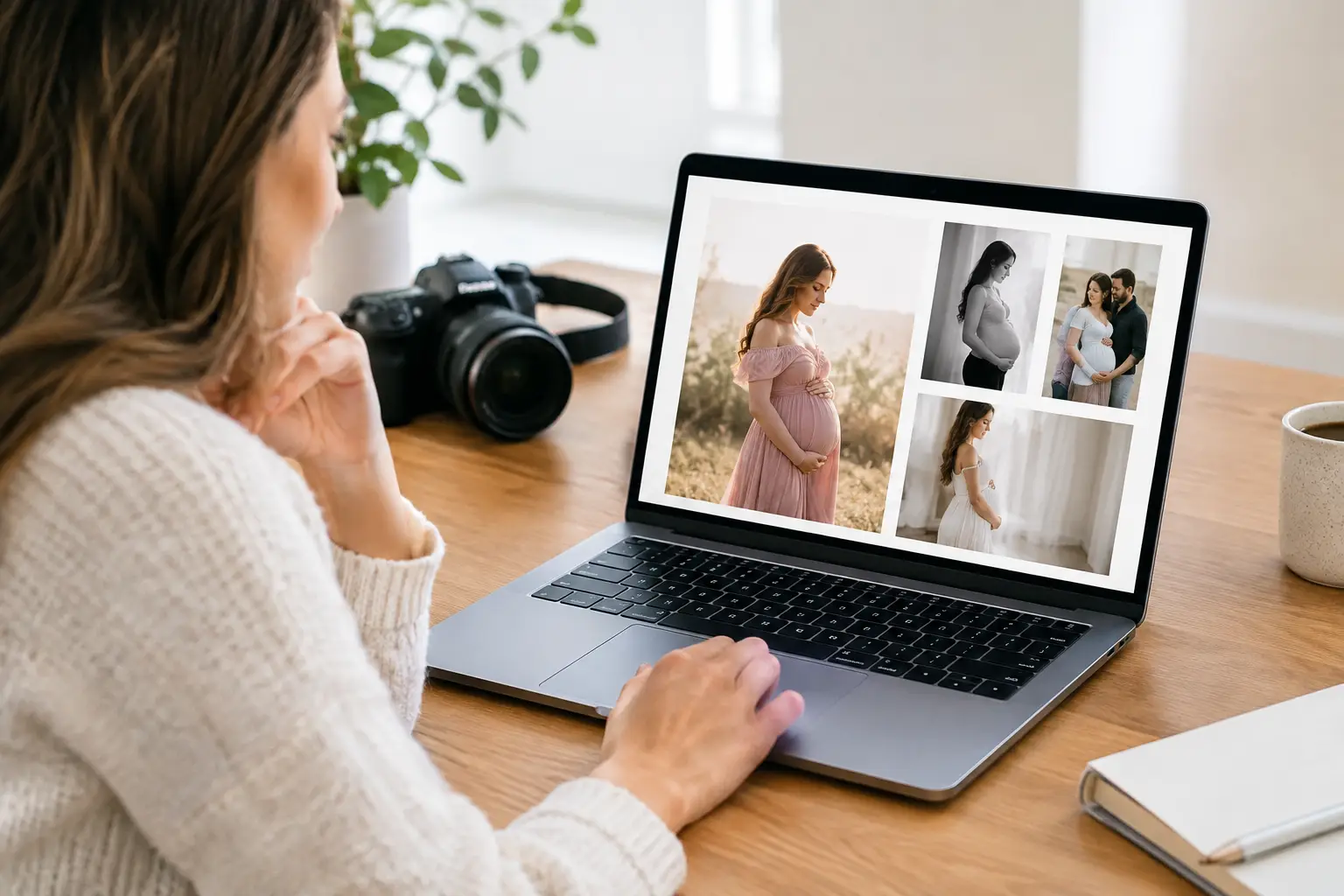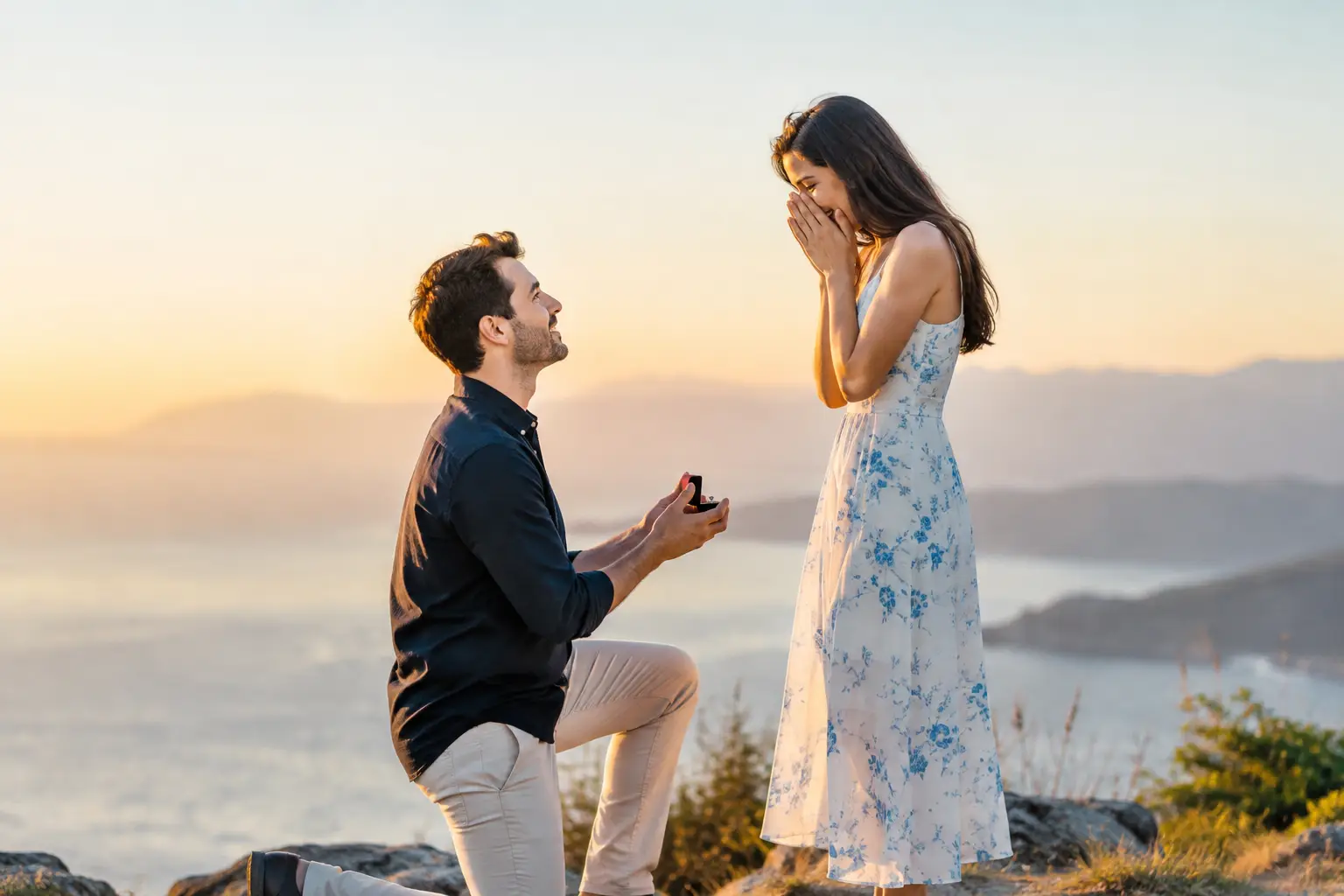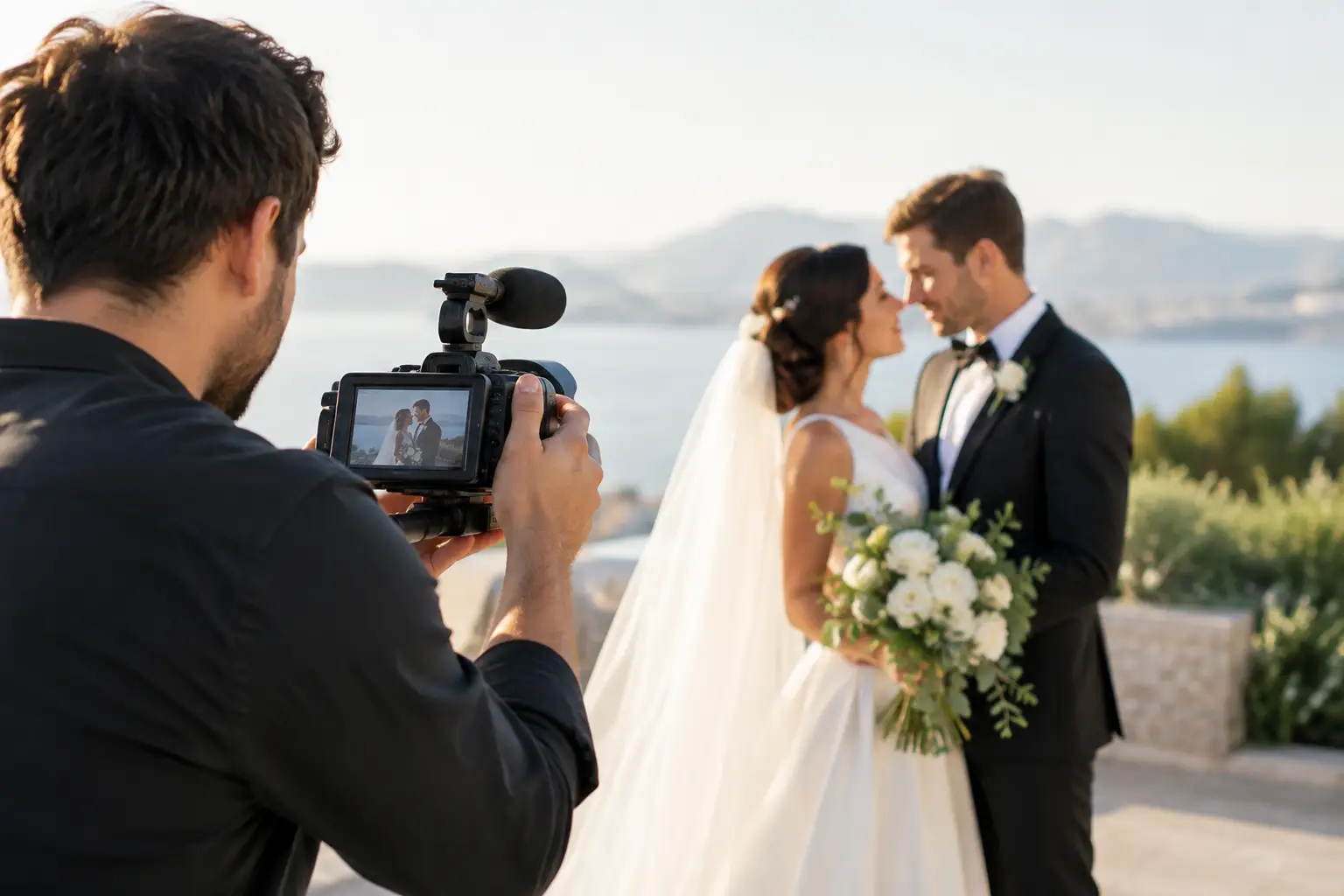

A father straightening his daughter’s veil before the ceremony. A grandparent laughing during a toast. The quiet breath you take just before walking down the aisle. When couples compare documentary versus traditional wedding photography, they are really deciding how they want those irreplaceable moments to be remembered: naturally as they happened, carefully arranged in beautiful portraits, or through a meaningful combination of both.
There is no single right answer. Your wedding photography should reflect your personalities, your timeline, your family, and the feeling you want when you open your album years from now. Understanding the difference helps you choose a photographer who can preserve the day with confidence, professionalism, and heart.
Documentary Versus Traditional Wedding Photography: The Core Difference
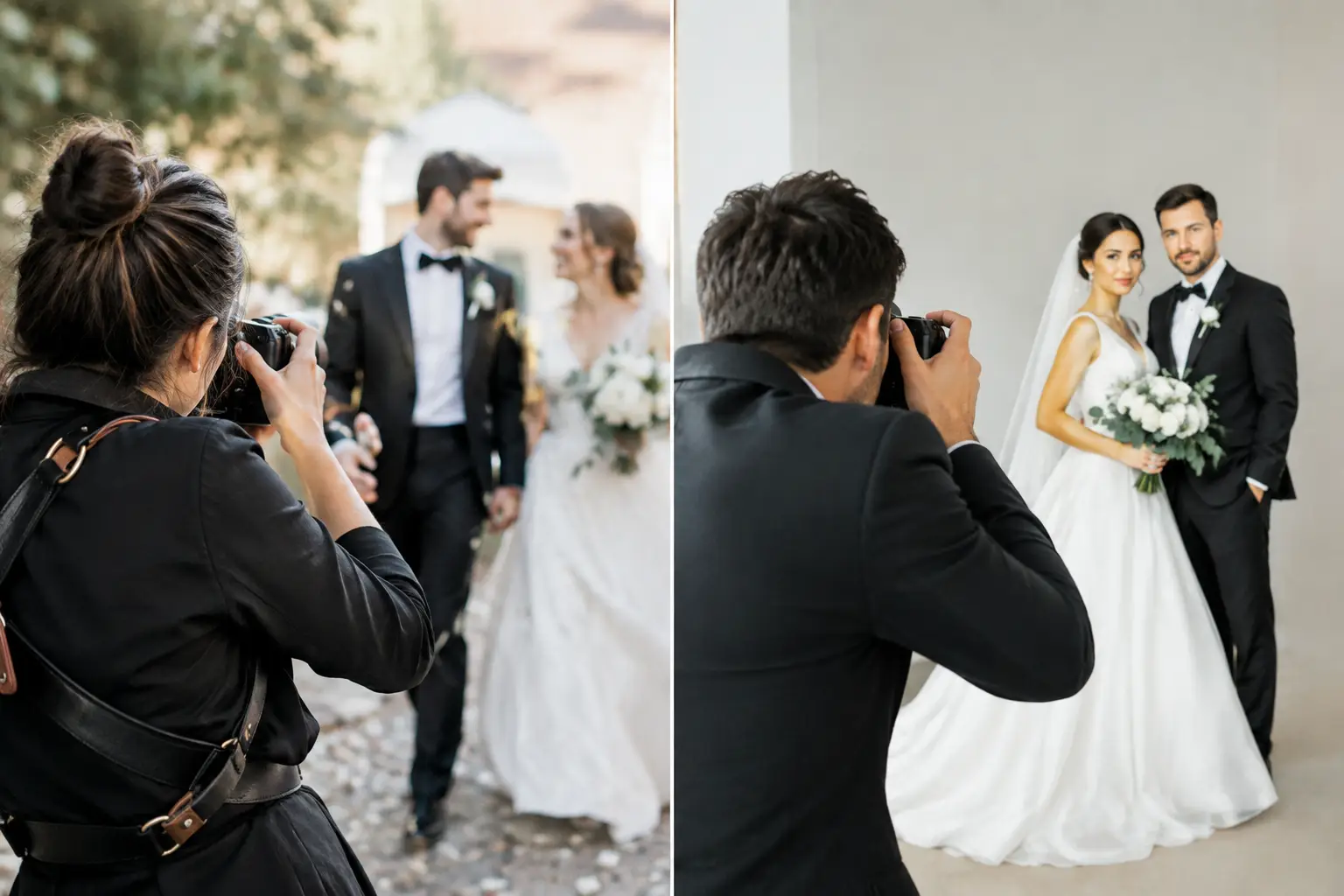
Documentary wedding photography, often called photojournalistic photography, focuses on honest moments as they unfold. The photographer observes closely, anticipates emotion, and captures real interactions without directing every second. These images may include a teary hug during getting ready, children racing across the dance floor, or the look between a couple after the ceremony when the room finally feels still.
Traditional wedding photography is more guided and structured. It includes the formal family portraits, wedding party groupings, couple portraits, and classic images that generations have come to expect. A traditional photographer gives clear direction: where to stand, how to angle your shoulders, when to look at the camera, and how to create a flattering, polished composition.
One style is not more meaningful than the other. Documentary images preserve the energy of real life. Traditional portraits create a lasting visual record of the people who gathered to celebrate with you. Most couples want both, even if they naturally lean toward one approach.
What Documentary Wedding Photography Feels Like
A documentary approach is ideal for couples who want to stay present instead of feeling like they are constantly being posed. Your photographer moves thoughtfully through the day, looking for the small interactions that can easily disappear in the excitement: your mother’s expression while you get dressed, friends reacting to a heartfelt speech, or the full joy of your first dance.
The strongest documentary wedding photographs are not accidental snapshots. They require timing, experience, awareness of changing light, and the ability to predict emotional moments before they happen. A seasoned photographer knows where to stand during the ceremony without interrupting it, when to step back during an intimate exchange, and when a fast-moving reception calls for quick, confident coverage.
This style often feels relaxed for couples who are camera-shy. You do not have to perform for the lens all day. Instead, you are encouraged to enjoy your people and let the story unfold.
Still, fully documentary coverage has a trade-off. If no one organizes the formal portraits, important family combinations may be missed. The couple may also have fewer camera-facing images of themselves, especially if the schedule is tight or the venue has limited portrait locations. Candid does not have to mean unplanned, but it does benefit from a team that understands your priorities in advance.
The Moments Documentary Coverage Captures Best
Documentary photography shines during the parts of a wedding that cannot be repeated. It is especially powerful for getting-ready moments, ceremony reactions, cocktail hour conversations, emotional speeches, dance floor energy, and all the in-between glances that make a wedding feel personal.
These are often the photographs that bring couples back to the feeling of the day. You may not remember every word of a toast or every song played at the reception, but an honest image can bring that emotion rushing back.
What Traditional Wedding Photography Provides
Traditional wedding photography gives your day structure. It makes room for the photographs your family will frame, share, and return to for decades: the couple looking their best, parents together, grandparents with grandchildren, siblings side by side, and the complete wedding party in one well-composed image.
A photographer using this approach takes responsibility for directing the group efficiently. That matters more than many couples realize. Without a clear plan, family portrait time can become confusing, relatives wander away, and the schedule starts to slip. Gentle direction keeps the experience organized while helping everyone look comfortable and natural.
Traditional does not mean stiff or outdated. Modern traditional portraits can be elegant, joyful, romantic, and full of movement. The difference is intention. The photographer creates the scene rather than waiting for it to happen.
For couples planning a wedding in New Jersey, New York, or Pennsylvania, this can be particularly valuable when working with large families, multiple cultural traditions, church ceremonies, busy city venues, or a reception schedule with little extra time. A well-managed portrait plan protects the time you have set aside to celebrate.
The Value of Formal Family Portraits
Formal portraits are sometimes the first part of a gallery couples consider skipping. Later, they are often the images that become more valuable with time. Weddings may be one of the rare occasions when several generations are dressed beautifully and gathered in the same place.
The goal is not to spend an hour holding poses. With a prepared list and an experienced photographer, essential family photographs can be completed smoothly. A little organization gives you the confidence that no one important was overlooked.
Why a Blended Style Is Often the Best Choice
For most weddings, the best choice is not documentary or traditional. It is a balanced approach that captures your day honestly while setting aside time for the portraits that matter.
Your photographer can document the nervous excitement before the ceremony, then guide you through a calm, flattering portrait session. They can photograph authentic laughter during cocktail hour and still make sure your grandparents receive a beautiful formal image. They can capture the unscripted reaction to your first look while offering enough direction to place you in the best available light.
This approach gives you a gallery with range. You receive elegant images that look wonderful on a wall, along with candid photographs that preserve the personality of your celebration. It also serves couples with different preferences. One partner may love natural, unposed pictures, while the other wants the classic photo with parents and the full wedding party. A blend honors both.
At Adorable Times Photography, that balance is central to creating dependable wedding coverage. With decades of event experience, the focus is on preserving real emotion while delivering the polished portraits and professional guidance couples need throughout a busy wedding day.
How to Choose the Right Style for Your Wedding
Start by looking at what you respond to emotionally. When you browse wedding galleries, do you pause over laughing, imperfect, in-the-moment images? Or are you drawn to dramatic couple portraits, clean compositions, and everyone looking toward the camera? Your answer offers a helpful starting point.
Then consider your priorities. If preserving candid guest interactions is most important, allow more room in the schedule for the day to unfold and choose a photographer with strong photojournalistic instincts. If family photographs are nonnegotiable, create a concise list and reserve a specific time for them. If you want both, tell your photographer clearly which people, traditions, and moments matter most.
Your venue and timeline also play a role. A sunset portrait session may need to be scheduled around the ceremony and reception. A large wedding party takes longer to photograph than an intimate one. Rain, limited indoor light, travel between locations, and seasonal sunset times can all affect how much time is available. An experienced photography team will help you make realistic choices before the wedding day rather than rushing through them afterward.
Questions Worth Asking Your Photographer
Ask to see complete wedding galleries, not only a highlight reel of favorite images. You should be able to see how the photographer handles family portraits, dark reception rooms, emotional ceremonies, and the unpredictable pace of a full wedding day.
It also helps to ask how they direct couples who feel uncomfortable in front of the camera, how they organize family formals, and what happens if the timeline changes. The answers should make you feel reassured, not pressured. Great wedding photography is built on technical skill, but it also depends on calm communication and a team you can trust around your closest family and friends.
Your photographs should not force your wedding into a style that does not feel like you. Choose coverage that leaves room for the laughter, happy tears, traditions, and portraits you will be proud to pass down. On a day that moves quickly, the right photographer gives you something lasting: the chance to feel those meaningful moments again.