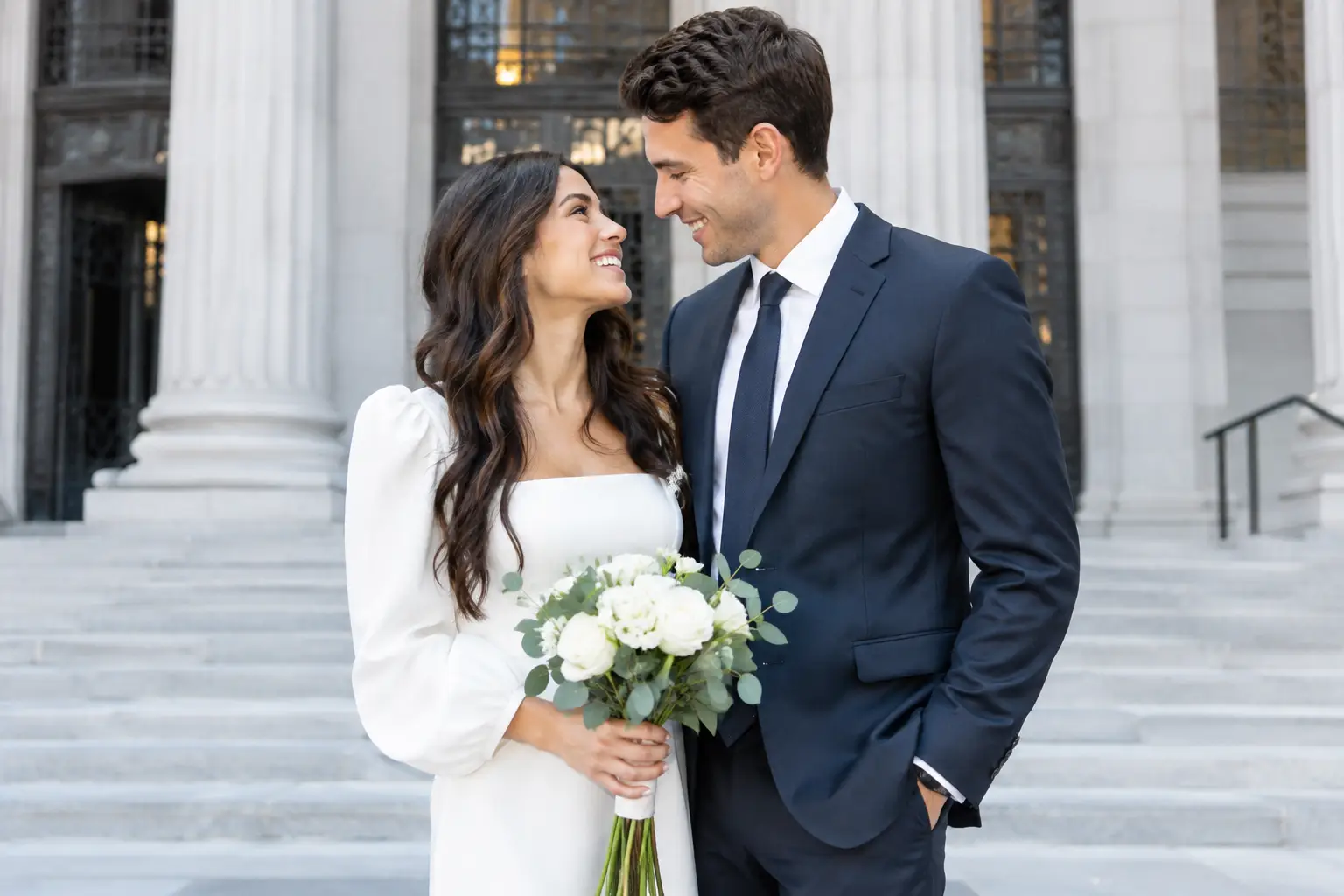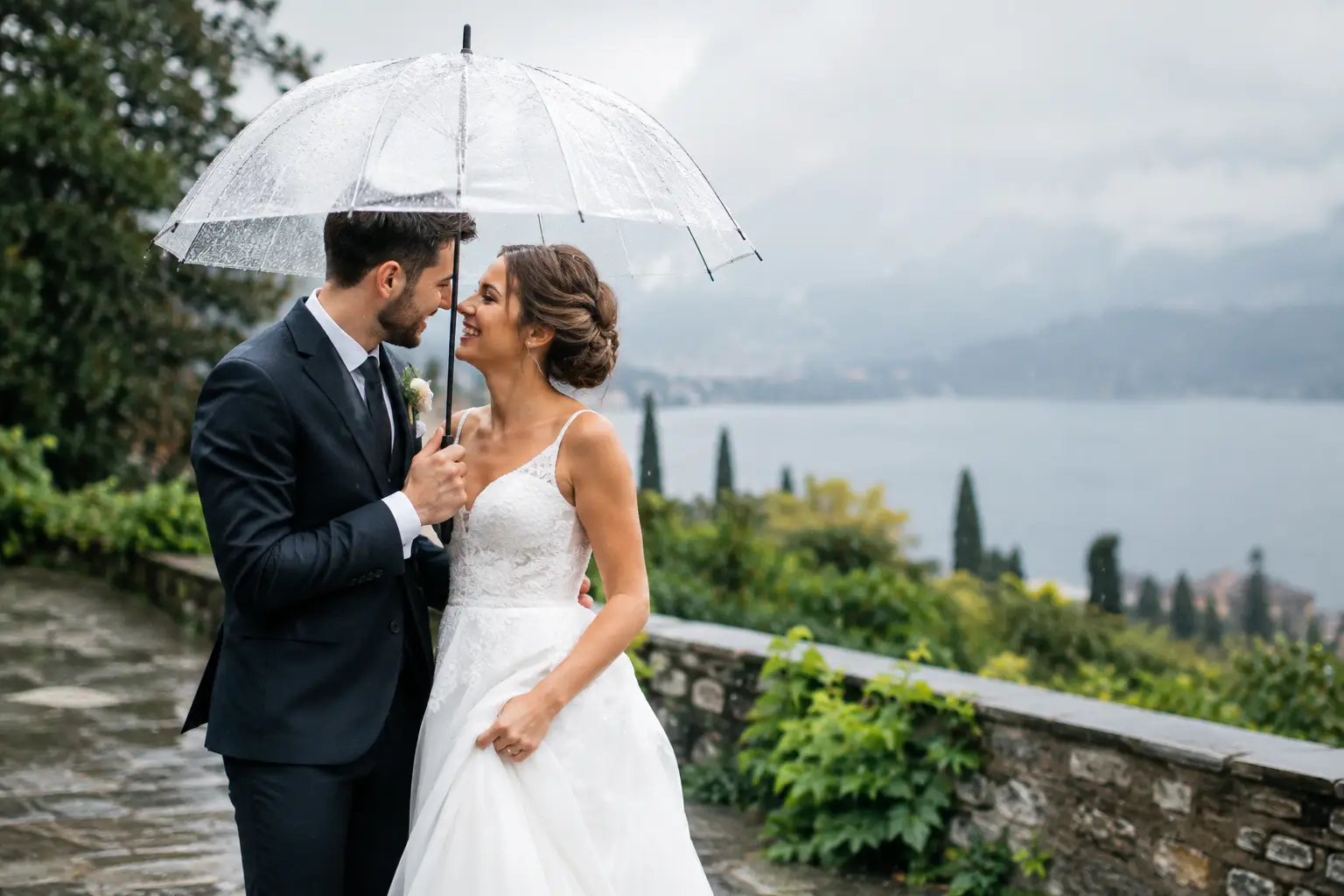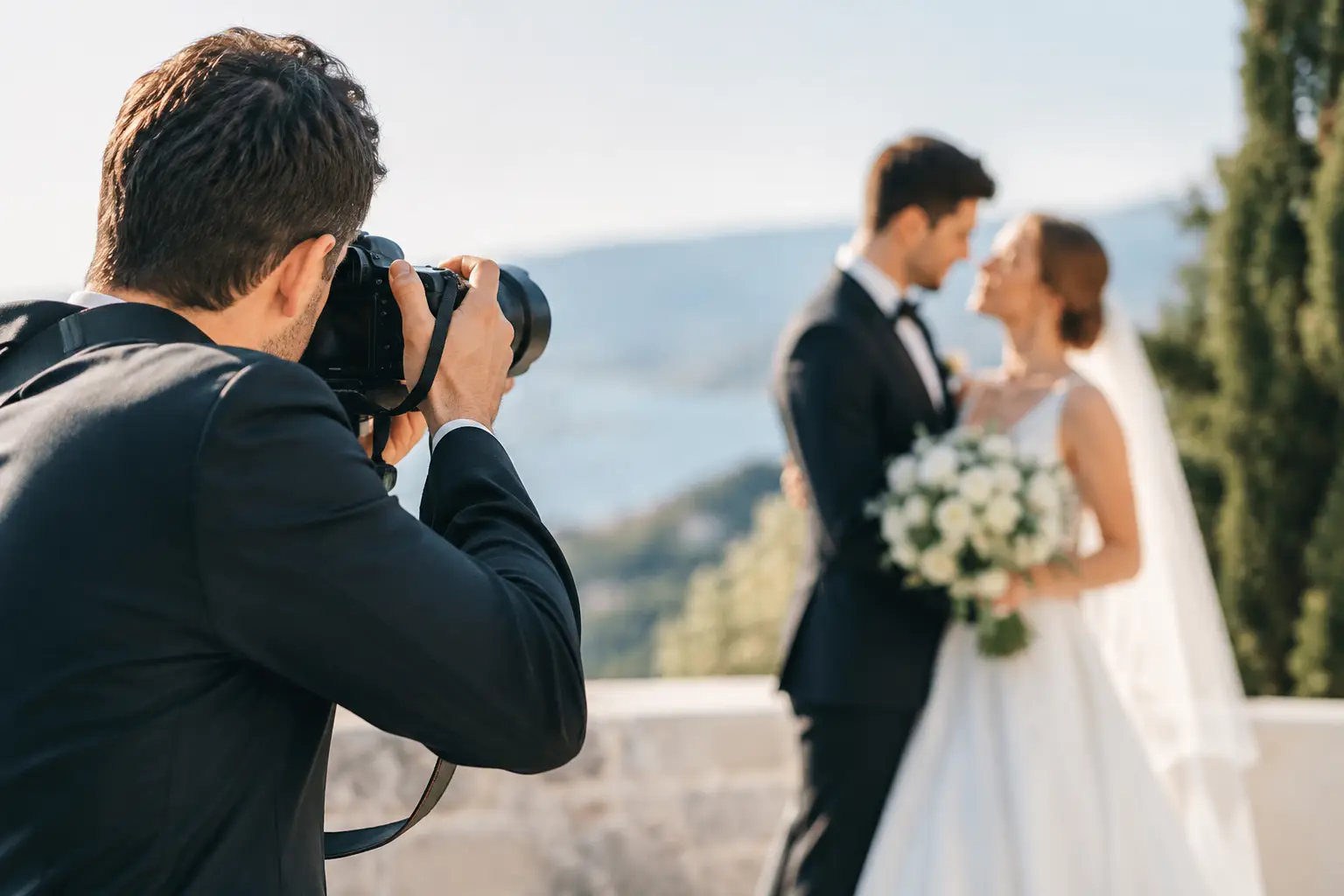

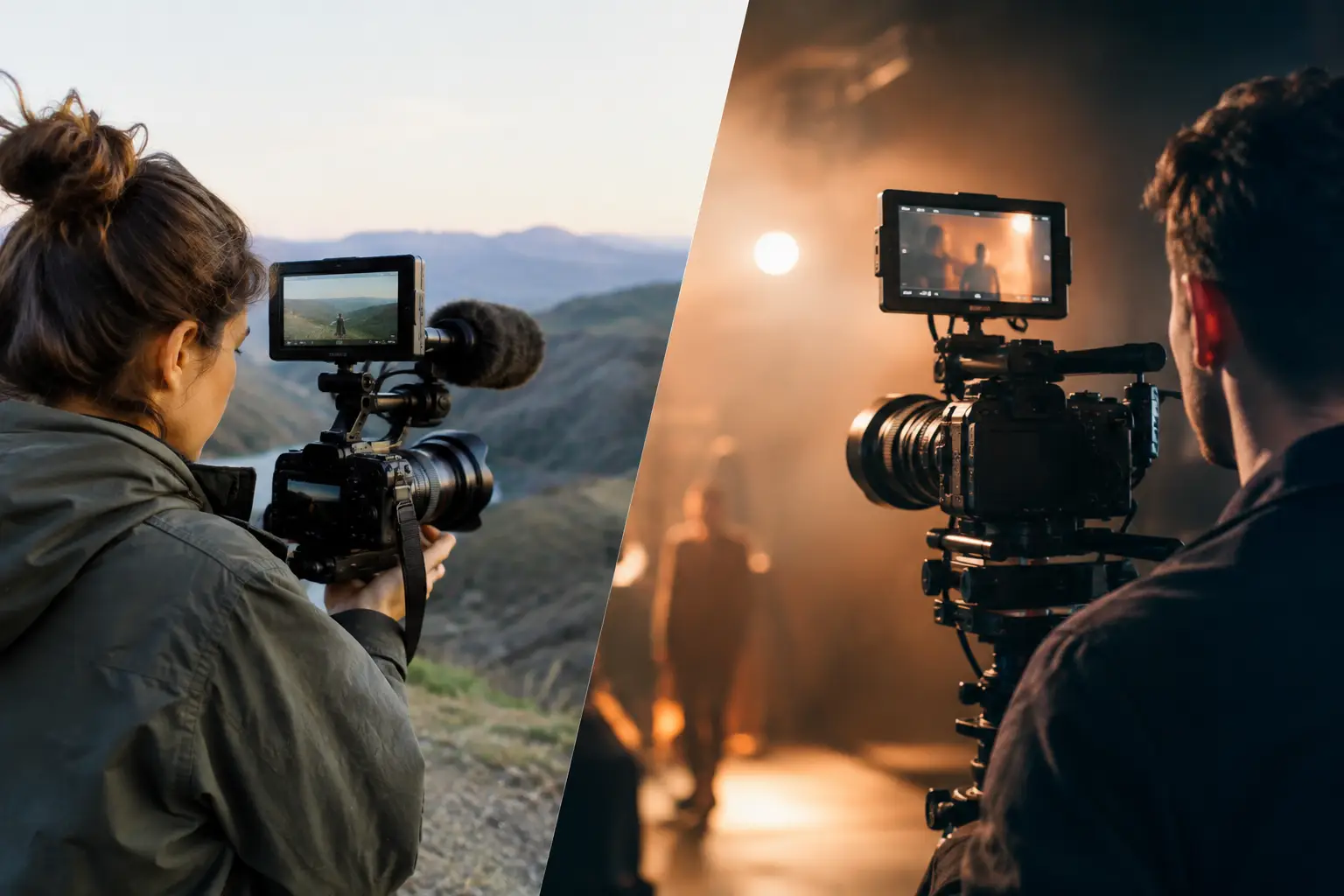
A wedding day moves quickly: your father seeing you ready for the first time, the unplanned laugh during a toast, the quiet hand squeeze before the ceremony. When couples compare documentary versus cinematic videography, they are really deciding how they want to revisit those moments years from now. Both styles can be beautiful. The best choice depends on whether you value a fuller record of the day, a polished emotional film, or a thoughtful blend of both.
For couples planning weddings in New Jersey, New York, or Pennsylvania, this decision also affects coverage expectations, editing time, and the kind of memories you will have to share with family. A strong wedding video should never feel like a generic production. It should feel like your celebration, your people, and your story.
What Is Documentary Wedding Videography?
Documentary videography is centered on preserving real events as they unfold. The videographer observes, records, and responds to the natural pace of the day. Rather than directing every interaction, the focus is on authentic exchanges, full ceremony moments, meaningful speeches, and the energy of the reception.
Think of it as a living record of your wedding day. You may hear complete vows, longer sections of speeches, ambient sounds from the venue, and candid conversations that were never planned. The camera is present, but the goal is to let the event remain the event.
This approach is especially meaningful for couples who want to remember the details they may miss while hosting. Your wedding day places you at the center of everything, but you cannot be everywhere at once. Documentary coverage can preserve your grandparents’ reaction during the ceremony, your guests cheering during an entrance, or the exact words that made everyone laugh during a toast.
The strengths of a documentary approach
The greatest strength is honesty. Documentary wedding films hold onto voices, reactions, and sequences that might otherwise fade from memory. They are often wonderful for families because they provide more context than a short highlight film alone.
They can also feel timeless. Trends in editing, music, and visual effects change, but a sincere exchange of vows or a heartfelt speech remains meaningful decades later. Couples who value tradition, family participation, and complete ceremony coverage often appreciate this style.
The trade-off is that documentary footage may feel less stylized than a highly produced film. There may be fewer dramatic slow-motion shots, less creative direction, and a more natural pace. That is not a weakness when it matches your priorities. It simply serves a different purpose.
What Is Cinematic Wedding Videography?
Cinematic videography approaches a wedding like a carefully crafted short film. It uses intentional composition, artistic camera movement, curated music, pacing, color treatment, and selective editing to create an emotional viewing experience. The result is often a highlight film that captures the feeling of the day in a polished, memorable way.
A cinematic videographer may guide you into flattering light, film a dress or ring with close attention to detail, and look for visual transitions that make the final film feel cohesive. During portraits, there may be a few brief moments of direction – a walk together, a private embrace, or a chance to take in the setting – while still keeping the experience natural and comfortable.
This style is a beautiful fit for couples who want their wedding film to feel romantic, elevated, and easy to rewatch. A well-edited cinematic film can bring together the emotion of the vows, the excitement of the dance floor, the beauty of the venue, and the people you love in just a few powerful minutes.
The strengths of a cinematic approach
Cinematic coverage gives special attention to mood. It is designed to make you feel the anticipation before the ceremony, the joy of the first kiss, and the energy of celebrating with everyone in the room. For couples who care deeply about visual storytelling, this can become a treasured keepsake.
It is also ideal for sharing. A concise, polished highlight film is easy to send to loved ones who could not attend, post privately with family, or revisit on an anniversary. The editing can turn a full day of activity into a story with emotion and momentum.
The trade-off is selectivity. A cinematic highlight film cannot include every speech, every dance, or every part of the ceremony in full. It focuses on the strongest moments and shapes them into a narrative. If complete documentation matters most to you, ask whether full-length edits of key events are also included in your package.
Documentary Versus Cinematic Videography: The Real Difference
The difference is not simply candid footage versus beautiful footage. A professional team can create beautiful documentary footage and emotionally honest cinematic footage. The larger difference is the final intention.
Documentary videography says, “Here is what happened.” Cinematic videography says, “Here is how it felt.” One protects the complete record. The other distills the day into a carefully edited emotional experience.
Your personality can offer a helpful clue. If you and your partner want to hear every word of your vows and speeches, see your ceremony from beginning to end, and relive the day as naturally as possible, documentary coverage may be your priority. If you imagine a moving film with your favorite visual moments, music, and artistic storytelling, cinematic coverage may feel more like you.
Still, most couples do not need to choose only one.
Why a Blended Style Often Works Best
Many of the strongest wedding video collections combine documentary and cinematic techniques. This gives you a visually polished highlight film while preserving the important parts of the day in longer edits. You receive the romance and artistry of a cinematic story, plus the reassurance that your vows, ceremony, and toasts are documented with care.
For example, your highlight film may feature a few meaningful lines from your vows over footage of you getting ready, greeting family, and sharing your first dance. Separately, you can have a full ceremony edit that lets you revisit every reading, promise, and reaction without rushing through the experience.
This balance is especially practical for large weddings and multicultural celebrations. When there are meaningful traditions, multiple speeches, special dances, or family members traveling from afar, complete documentation matters. At the same time, a cinematic highlight film gives you a beautiful way to experience the heart of the celebration in one sitting.
At Adorable Times Photography, the goal is to capture both the planned milestones and the candid emotion around them, so your finished video feels personal rather than overly posed or impersonal.
Questions to Ask Before Booking Your Wedding Videographer
Style labels can mean different things from one company to another, so ask specific questions before you book. Find out whether the package includes a highlight film, a full ceremony edit, complete speeches, raw footage, or additional hours of coverage. Ask how audio is recorded, especially for vows and toasts. Clear sound often makes the difference between a nice video and a film that brings you right back to the room.
You should also ask how much direction the videographer gives during the day. Some couples love a few guided portrait moments, while others want as little interruption as possible. The right professional will respect your comfort level and work smoothly with your photographer, venue coordinator, and wedding timeline.
Review sample films with your partner, but look beyond the venue and décor. Listen to the audio. Notice whether the couples look comfortable. Pay attention to how the film handles family interactions, ceremony lighting, and fast-moving reception moments. A beautiful outdoor clip is nice, but dependable coverage matters just as much when the weather changes, the ballroom is dim, or the schedule runs late.
Choose the Style That Protects Your Memories
There is no wrong answer between documentary and cinematic videography. The right answer is the one that reflects what you will value most after the flowers are gone and the celebration has become a memory. Some couples want every word and every tradition preserved. Others want a moving film that captures the spirit of the day. Many want both.
As you plan, picture yourselves watching your video on your first anniversary, then again years later with children, parents, and friends. Choose the coverage that lets you hear the voices, see the joy, and feel the love exactly when you need it most.