

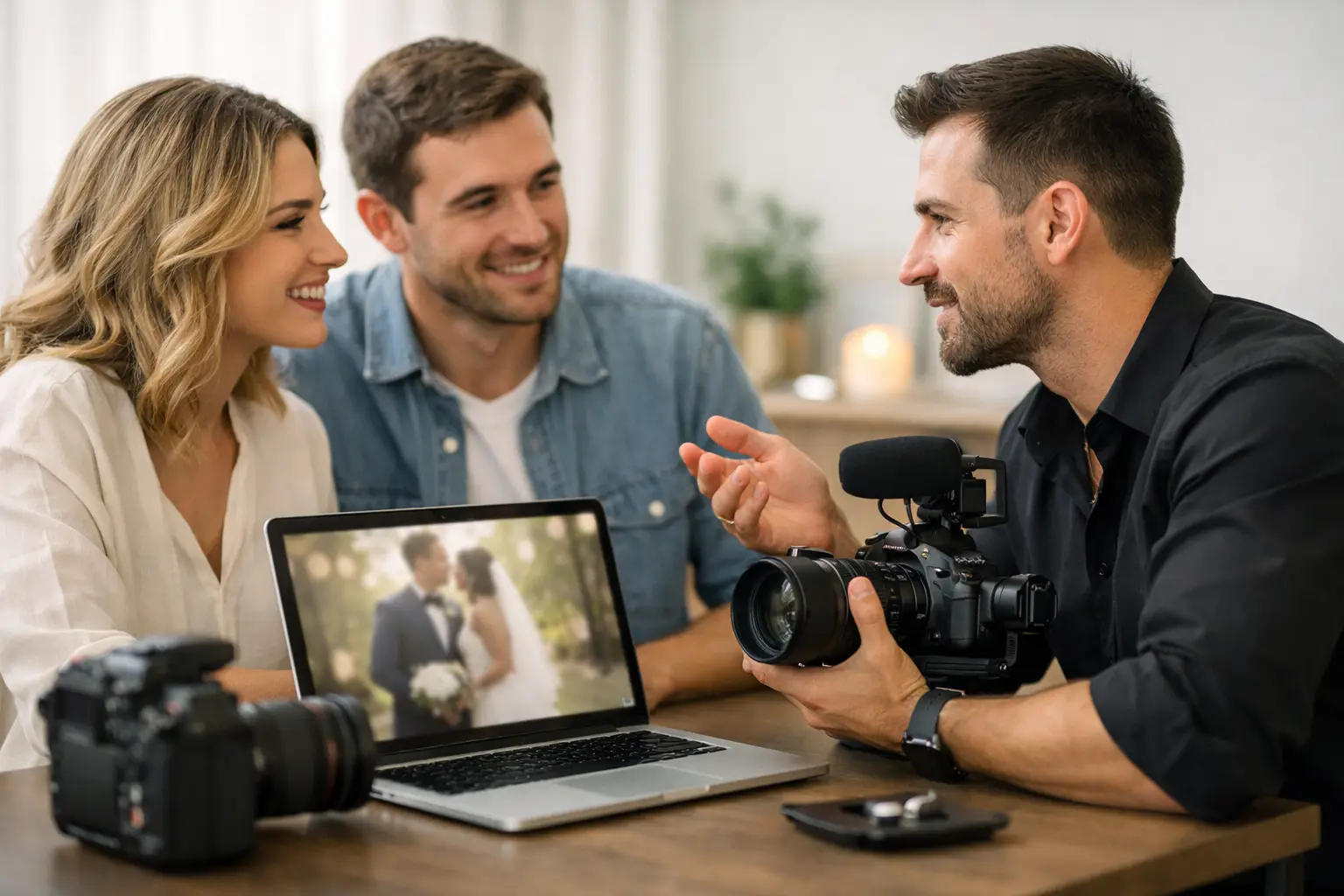
You can love a wedding film online and still end up with the wrong fit for your day. That is why knowing the best questions for wedding videographer meetings matters so much. A beautiful highlight reel is one thing. Trusting a team to follow your timeline, capture real emotion, work smoothly with your photographer, and deliver memories you will treasure for years is something else entirely.
Wedding videography is not just about equipment or editing effects. It is about how your day feels when you watch it back. The right videographer preserves the voices, movement, reactions, and in-between moments that photos alone cannot hold. When couples in New Jersey, New York, and Pennsylvania start comparing vendors, the smartest move is not asking for the cheapest package first. It is asking better questions.
Why the best questions for wedding videographer matter
Most couples only hire a wedding videographer once, so it is easy to focus on price and overlook process. But your experience with this vendor affects more than the final film. It shapes how relaxed you feel, how smoothly the day runs, and whether important moments are captured naturally or missed under pressure.
A seasoned videography team should be able to explain how they handle ceremony audio, dark reception spaces, changing weather, tight timelines, and family dynamics. If answers feel vague, overly scripted, or too good to be true, pay attention. Experience often shows up in the details.
The strongest questions help you understand three things at once – quality, reliability, and fit. You are not simply hiring someone to record a day. You are trusting them with one of the most meaningful stories your family will revisit for generations.
Start with style and storytelling
Before you ask about pricing, ask how the videographer approaches a wedding story. Some teams create fast-paced cinematic edits with dramatic music. Others lean documentary and unobtrusive. Some mix both. None of those approaches are automatically better. It depends on what feels like you.
Ask, “How would you describe your wedding film style?” and “How do you balance candid moments with posed shots?” These questions help you hear whether their creative vision matches your expectations. If you want emotional, natural storytelling and they talk mostly about staged scenes and trendy transitions, there may be a mismatch.
It also helps to ask, “Can we see full wedding films, not just highlight clips?” Highlights are designed to impress. Full films reveal consistency. You will get a better sense of pacing, audio quality, ceremony coverage, and whether the final product still feels strong beyond the best 60 seconds.
Ask how they handle real wedding-day conditions
A wedding day rarely runs exactly on schedule. Hair and makeup can go long. Traffic can delay arrivals. Outdoor light changes quickly. Reception venues can be dark. A professional videographer should not act surprised by any of this.
Ask, “How do you handle timeline changes or unexpected delays?” and “What is your approach to filming in low light or bad weather?” These questions tell you whether the team is calm under pressure or dependent on ideal conditions.
You should also ask about backup planning. A simple but essential question is, “Do you bring backup cameras, audio gear, and batteries?” If a vendor hesitates here, that is a concern. Weddings are live events. There are no reshoots for vows, first dances, or a parent’s tearful toast.
Questions about audio matter more than most couples realize
Many couples focus on visuals first, but sound is what makes a wedding film feel alive. The vows cracking with emotion, the laughter during speeches, the exact words from loved ones – these details often become the heart of the final film.
Ask, “How do you record ceremony and speech audio?” and “Do you mic the officiant, groom, or podium?” A professional answer should include clear methods, not general promises. Good audio usually involves multiple sources and backups, especially for outdoor ceremonies or large reception spaces.
If the videographer cannot explain their audio setup in a clear, confident way, that is worth taking seriously. Gorgeous footage with weak sound can leave a wedding film feeling incomplete.
Get clear on coverage and who will be there
Not every package includes the same level of coverage, and not every company sends the person you meet during the sales process. This is one of the most important areas to clarify early.
Ask, “How many hours of coverage are included?” and “Who will actually film our wedding day?” If they work with a team, ask whether a lead videographer and second shooter will be present. A larger wedding with separate prep locations often benefits from more than one professional.
Another smart question is, “Have you filmed at venues like ours or weddings of our size before?” Experience in similar environments matters. A ballroom reception, a backyard wedding, and a church ceremony all come with different filming challenges.
When couples want dependable results without luxury-level pricing, clarity here can prevent disappointment later. Affordable does not have to mean limited, but you should know exactly what you are paying for.
Ask the best questions for wedding videographer pricing
Budget matters. It should. But wedding videography packages can look similar on the surface while including very different deliverables.
Ask, “What is included in your package price?” Then go further. Ask whether the package includes a highlight film, full ceremony edit, speeches, teaser video, drone footage, or raw footage. Also ask, “Are travel, overtime, or editing upgrades extra?”
This is where comparisons become more honest. One videographer may seem less expensive until you realize basic audio coverage, longer edits, or additional hours cost more. Another may offer stronger overall value because the package is more complete.
For many couples, the best fit is not the lowest number. It is the team that combines experience, emotional storytelling, professionalism, and transparent pricing.
Delivery timeline and editing expectations
After the wedding, couples are excited to relive the day. That makes turnaround time a practical and emotional question.
Ask, “When will we receive our wedding film?” and “How are the final videos delivered?” Some couples are happy to wait several months for a polished edit. Others want a short teaser sooner. Neither preference is wrong, but expectations should be discussed before booking.
You can also ask whether music selection is customized, whether revisions are included, and what happens if you want additional edits later. Every company has its own workflow. The key is hearing a clear process, not a vague estimate.
Make sure they work well with photographers and planners
Wedding vendors do their best work when they respect each other’s roles. Videographers and photographers in particular need strong communication. They often share the same moments, the same light, and the same limited amount of time.
Ask, “How do you coordinate with the photographer during portraits and key events?” A good answer should reflect teamwork, not competition. You want a videography team that knows how to capture cinematic footage without slowing down the day or getting in the way of still images.
This matters even more if you are booking both services together. A company like Adorable Times Photography can bring extra peace of mind when photo and video teams already understand how to work in sync, especially during fast-moving weddings where timing is everything.
The best answers usually feel specific, not polished
When couples search for the best questions for wedding videographer consultations, they sometimes focus on creating a perfect checklist. A checklist helps, but how the answers feel matters just as much.
Strong professionals usually answer with examples. They might explain how they handled a church with strict movement rules, a rainy outdoor ceremony, or a reception with almost no light. Their confidence feels grounded, not rehearsed. They understand that every wedding is personal, and they speak in a way that makes you feel heard.
Pay attention to whether they ask you thoughtful questions too. A videographer who wants to know about your timeline, family priorities, traditions, and must-have moments is already showing how seriously they take your story.
A simple set of questions that can save you stress
If you want to keep your consultation focused, ask these core questions: What is your filming style, can we watch full wedding films, how do you record audio, who will be at our wedding, what is included in the package, how do you handle delays or low light, and when will our video be delivered?
Those questions cover the areas that most often affect satisfaction after the wedding. They also make it easier to compare vendors fairly, especially if you are balancing emotional connection with a real budget.
Your wedding film should feel like your day, not a generic template. The right videographer will not just promise beautiful footage. They will show you that they can protect the moments that matter, work with care under pressure, and deliver something your family will be grateful to have years from now.
When you ask thoughtful questions, you are not being difficult. You are making a smart decision for one of the few parts of your wedding that grows more valuable with time.


Pingback: New Jersey Wedding Video Review for Couples - Adorable Times Photography
Pingback: How to Film Wedding Vows Without Missing a Word - Adorable Times Photography
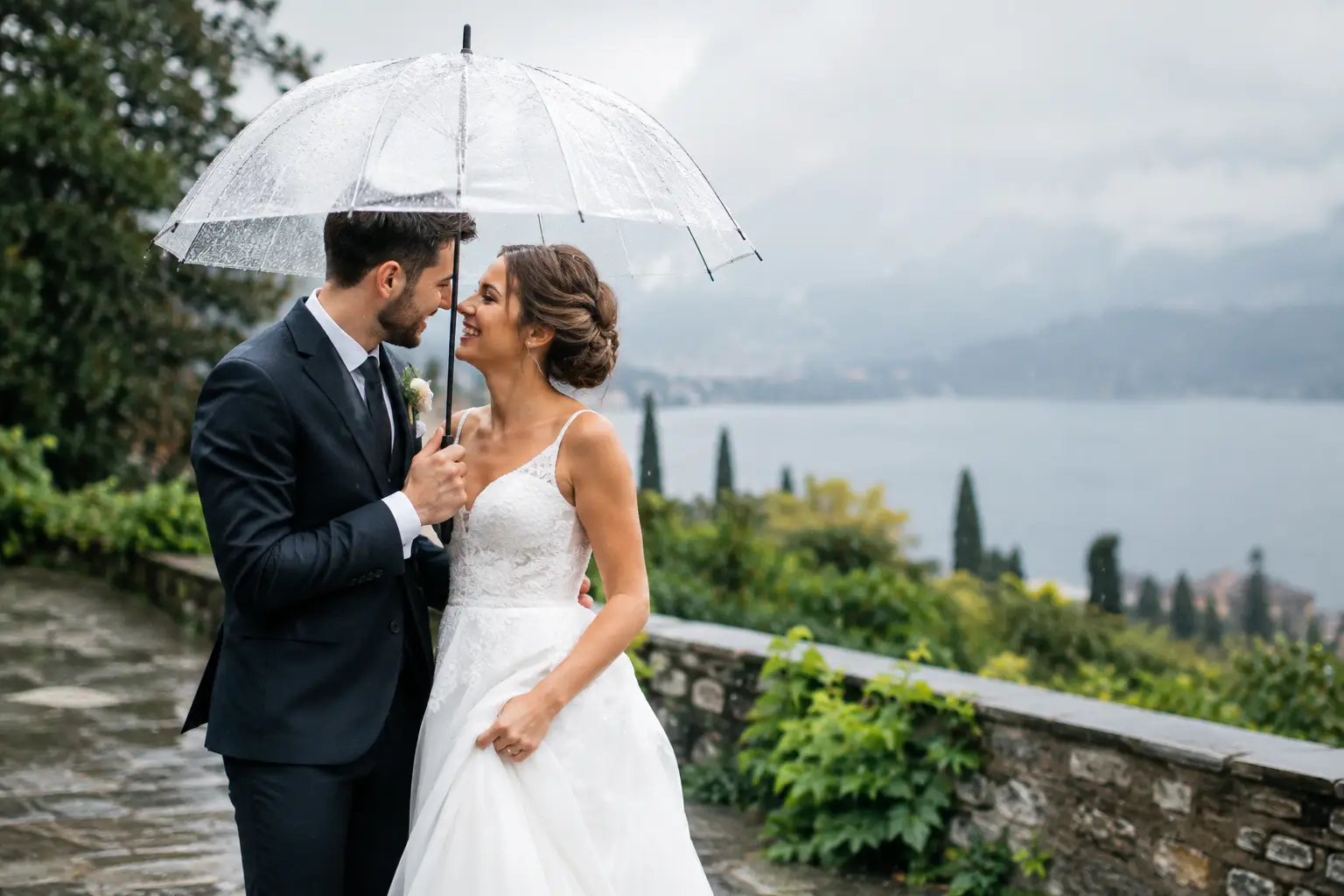
Pingback: 12 Rainy Wedding Photo Examples to Love - Adorable Times Photography