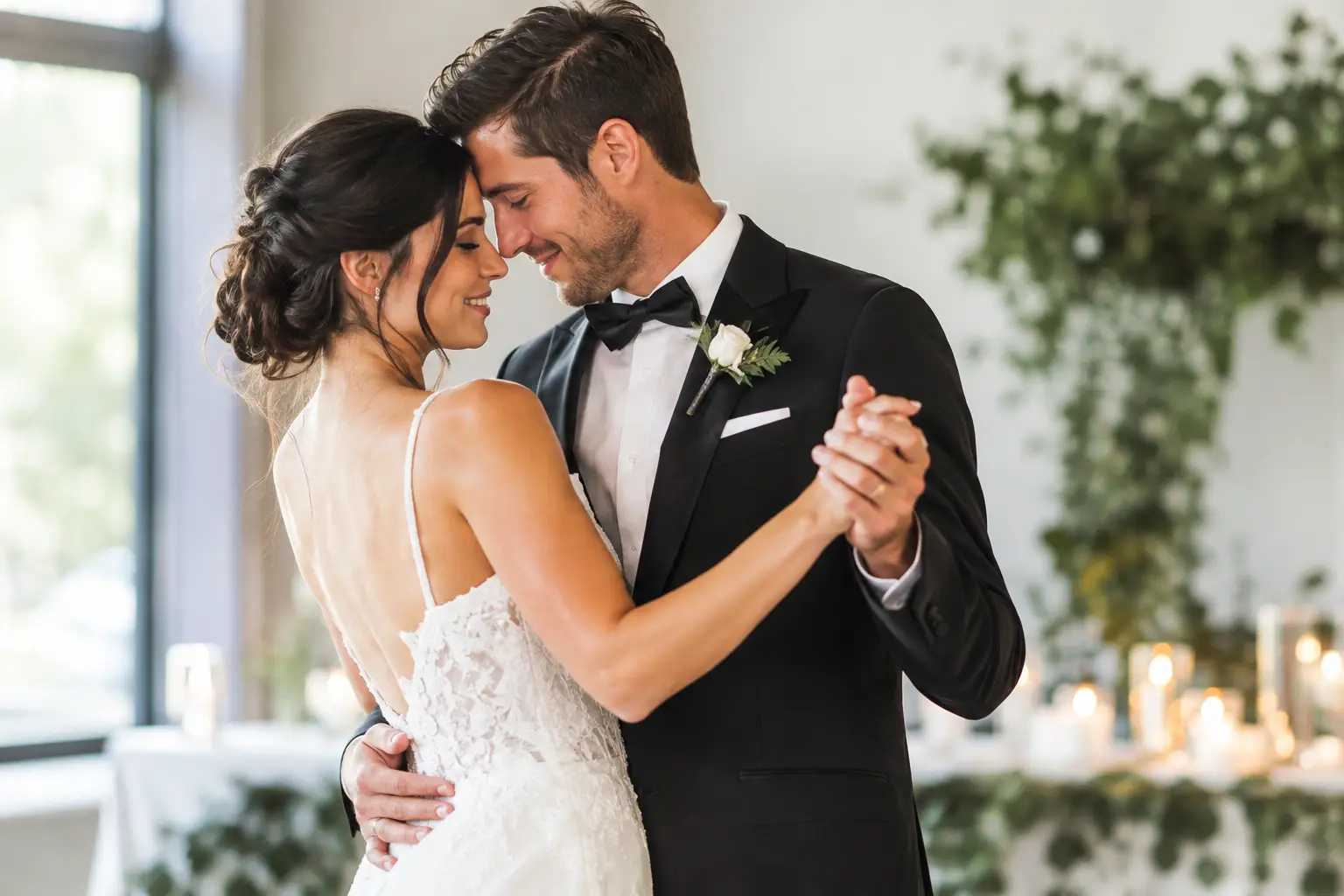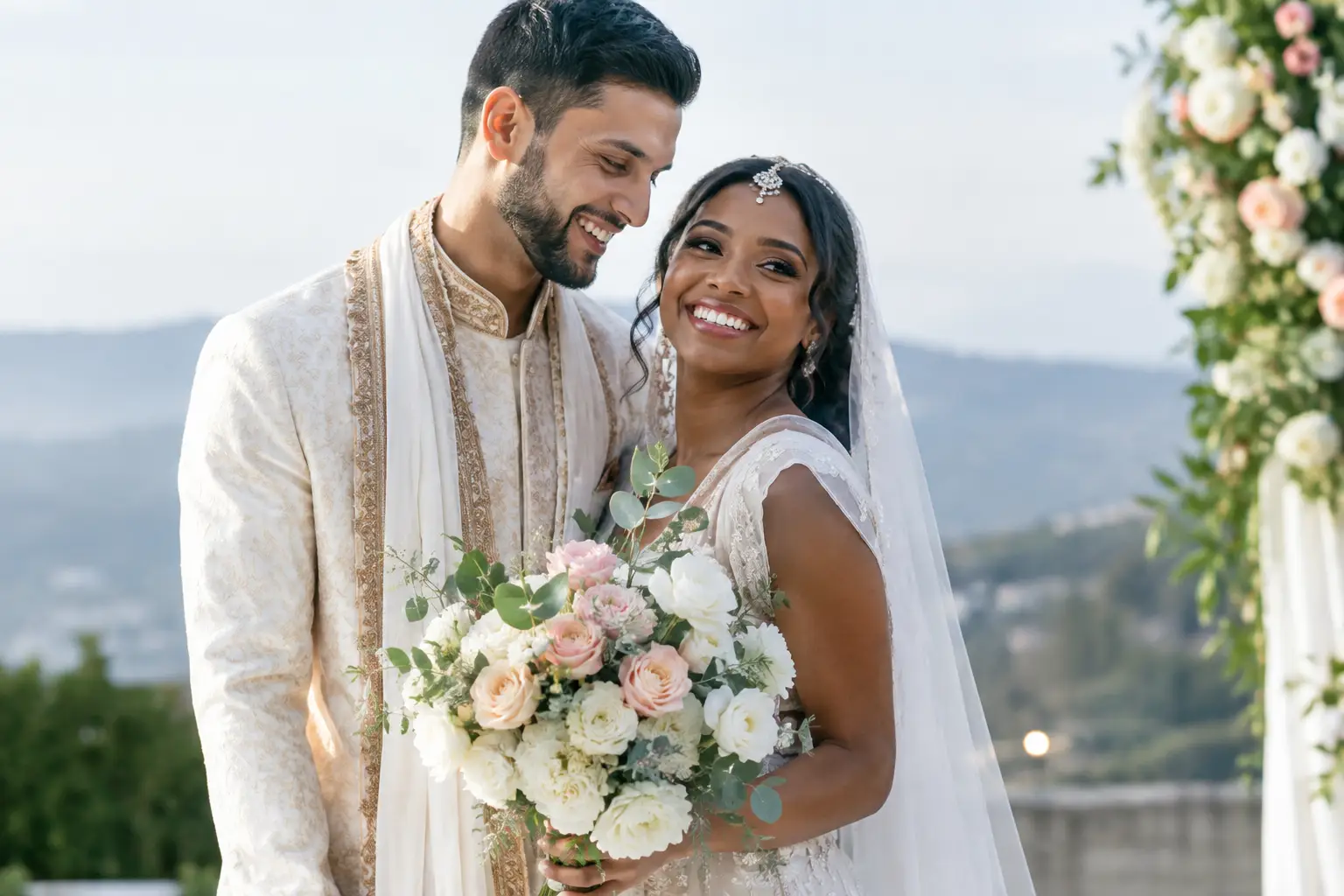

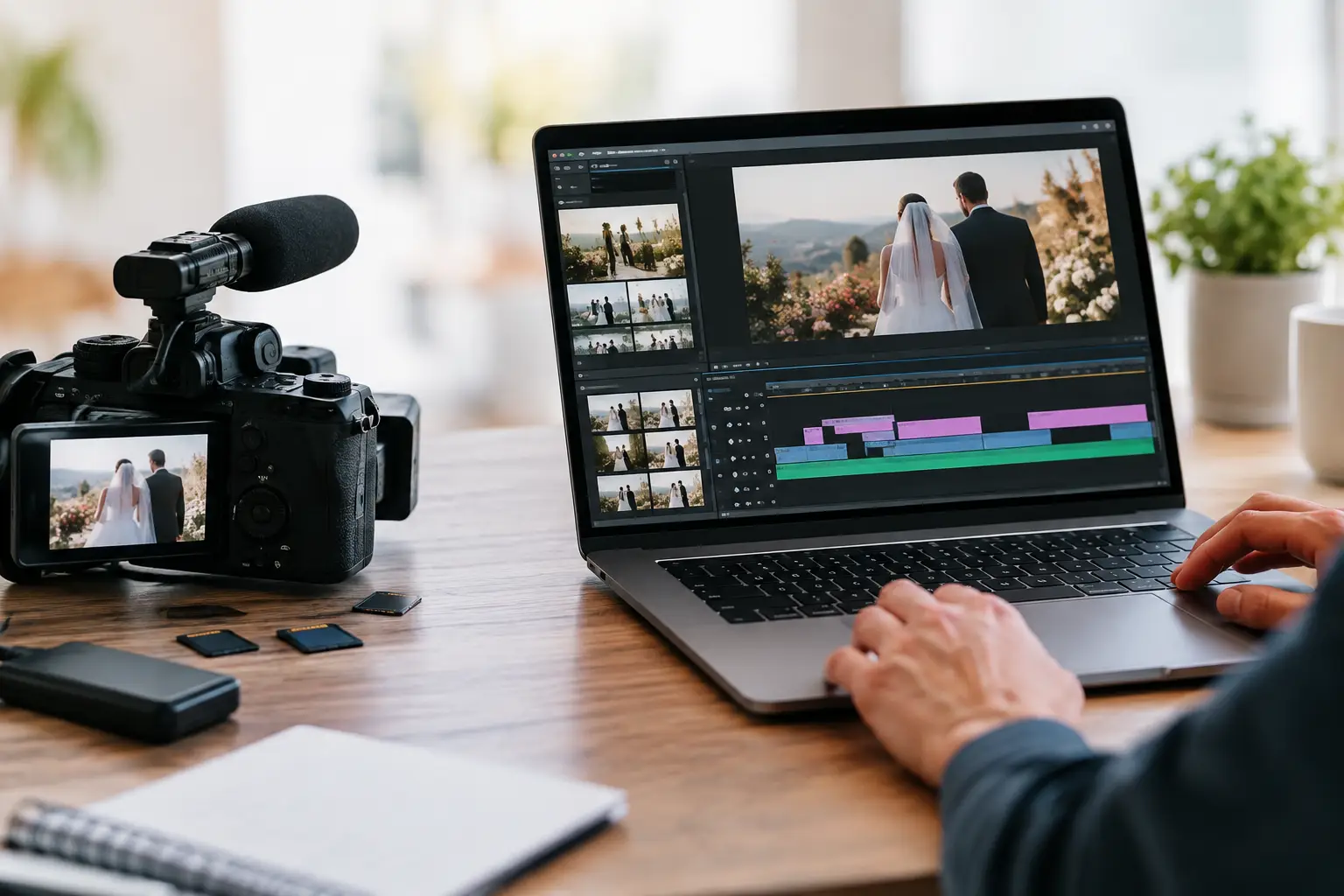
The kiss lasts seconds. Your father’s toast may last five minutes. The dance floor becomes a blur of laughter, happy tears, and the people you love most letting loose. When couples compare raw footage vs edited wedding film, they are really asking a bigger question: do we want every recorded moment, or do we want a finished story we will be excited to replay for years?
Both can have value. But they are not interchangeable, and knowing the difference before you book your wedding videography can save disappointment, confusion, and unexpected costs later.
What Raw Wedding Footage Really Is
Raw footage is the original, unedited video captured by your videographer’s cameras throughout the wedding day. It may include preparations, ceremony angles, cocktail hour moments, speeches, first dances, and reception footage. It can also include clips that are shaky, repeated, briefly out of focus, overexposed, underexposed, or captured while the videographer is changing position.
Raw files are not a movie. They are working material.
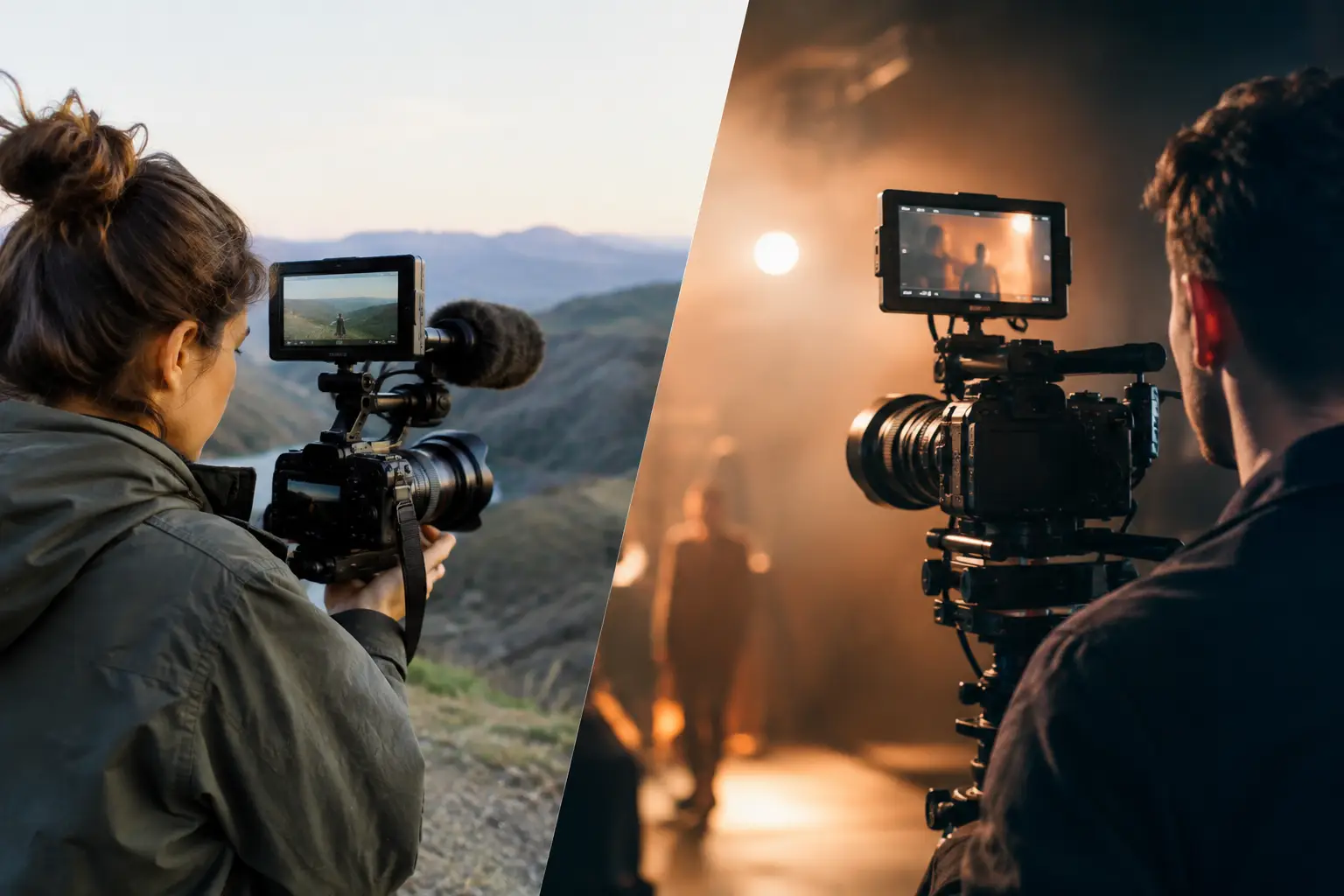
A professional video team records generously because live events do not offer second chances. During a ceremony, for example, multiple cameras may be running at once. One camera may frame the couple, another may capture the processional or reactions from family, and another may record a wider view of the setting. Raw delivery gives you the files from those cameras, rather than one polished sequence that has been selected and assembled.
For some couples, this is reassuring. They like the idea of having as much of the day as possible, including unscripted conversations and little moments that may not fit into a shorter final film. It can be especially meaningful for families who want to see longer sections of the ceremony, speeches, or cultural traditions in their original form.
Still, raw footage requires realistic expectations. Files may be large, clips may be difficult to organize, and they may need special software or a computer with enough storage to play them comfortably. Audio can be recorded separately and may not be synced to every camera file. Without editing, the footage often feels closer to a collection of memories than a finished viewing experience.
What an Edited Wedding Film Delivers
An edited wedding film is the emotional story of your day, shaped with purpose. Your videographer reviews the footage, selects the strongest moments, syncs clear audio, corrects color and exposure, balances sound, and creates a natural flow from one part of the celebration to the next.
This is where professional experience makes a visible difference. A beautiful wedding film is not simply every clip placed in chronological order. It is built around expression, pacing, music, vows, toasts, and the reactions that give the day its heart. The quiet breath before the aisle walk, your partner’s face when you see each other, a grandparent wiping away a tear – these moments become more powerful when they are woven together thoughtfully.
Editing also solves many of the challenges of a fast-moving wedding day. Camera angles are matched. Background noise is reduced where possible. Unflattering pauses and distractions are removed. Color is refined so skin tones look natural and the room feels as warm and inviting on screen as it did in person.
For most couples, the edited film becomes the video they actually watch and share. It is easier to revisit on an anniversary, send to relatives who could not attend, or play for future children. A short highlight film may capture the feeling of the day in just a few minutes, while a longer documentary-style edit can preserve the ceremony, speeches, and special dances in greater detail.
Raw Footage vs Edited Wedding Film: The Key Difference
The most important difference is not the number of clips you receive. It is the experience of watching them.
Raw footage preserves volume. An edited wedding film creates meaning.
Raw footage can show you a longer, less filtered record of what the cameras captured. An edited film helps you relive what the day felt like. Neither option is automatically better for every couple, but an edited film is usually the more complete final product because it turns professional coverage into a story with rhythm, clarity, and emotion.
Think of wedding photography in a similar way. You would not expect hundreds of unselected test frames, blinking expressions, or duplicate images to feel the same as a carefully edited gallery. Video works the same way. The artistry happens after the event as well as during it.
When Raw Footage May Be Worth Adding
Raw footage can be a worthwhile add-on when you have specific reasons to want it. Perhaps you are planning a long religious or cultural ceremony and want access to every part. Maybe several loved ones are traveling from out of state, and you want to preserve more candid family interactions. You may also be someone who values archives and wants the comfort of knowing the original recordings are available.
It can also make sense if your final package includes a short highlight film. A highlight video is designed to be cinematic and concise, not a minute-by-minute account of the entire day. Adding raw footage may give you extra material beyond that shorter storytelling format.
However, do not choose raw footage because you expect it to replace editing. It will not have the polished color, clean pacing, curated audio, or cohesive storytelling of a finished film. If your budget allows for only one meaningful video deliverable, the edited wedding film is usually the stronger investment.
Questions to Ask Before You Book
Wedding video packages can sound similar while delivering very different results. Ask what type of film is included, how long it will be, and which parts of the day will be featured. A three-to-five-minute highlight film, a 10-minute cinematic film, and full ceremony and reception edits all serve different purposes.
You should also ask whether raw footage is included, available as an add-on, or not offered. If it is available, find out how it will be delivered. Will you receive individual camera files? Is the footage color corrected? Are audio recordings included? How long will the files be retained after delivery?
Clarify the editing timeline as well. Strong wedding films take time because every ceremony reading, toast, reaction shot, and music transition must be reviewed with care. Fast delivery can be appealing, but careful post-production is what gives your finished video its lasting quality.
Finally, ask to see examples of full wedding films, not only short social media clips. A trailer can be beautiful, but longer samples show how a videography team handles vows, speeches, natural audio, indoor lighting, and the changing pace of a real celebration.
Choosing the Right Coverage for Your Wedding Day
Your wedding video should reflect how you want to remember the day. If you want a heartfelt film that brings you back to the emotion of the aisle, the warmth of your families, and the joy of your reception, prioritize an edited wedding film. If you also want a broader archive, raw footage can be a thoughtful addition when it fits your budget and storage needs.
At Adorable Times Photography, our experienced wedding team understands that couples across New Jersey, New York, and Pennsylvania want beautiful memories without unnecessary stress or luxury-level price pressure. The right package is not about paying for footage you will never use. It is about choosing professional coverage and a final film that honors the people, promises, and celebration that made your day yours.
Before signing a contract, picture your fifth anniversary. You may enjoy opening a folder of raw clips once in a while, especially to spot a voice or candid moment you missed. But the film you will return to most often is likely the one that lets you feel the day again, from the first nervous smile to the final dance.