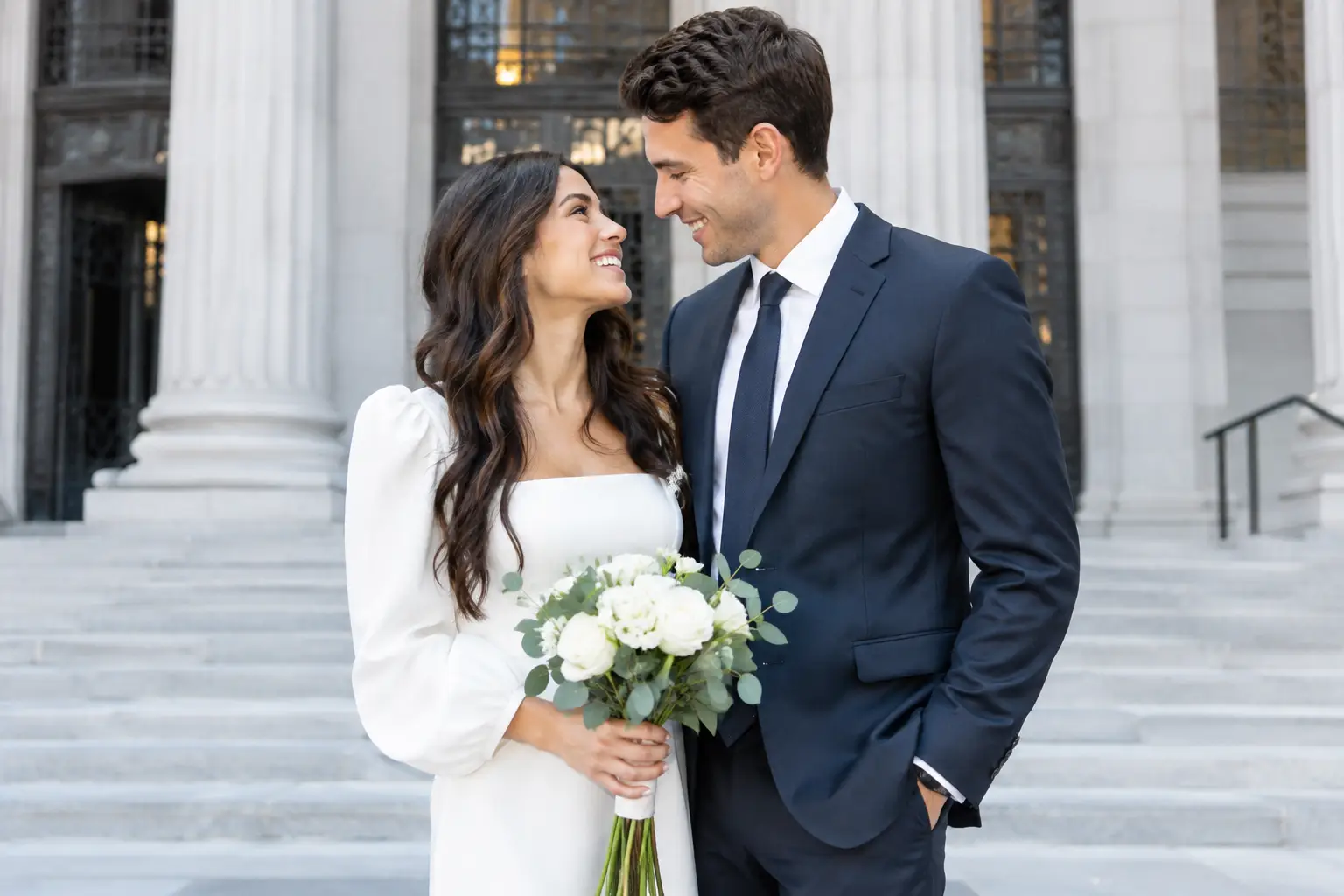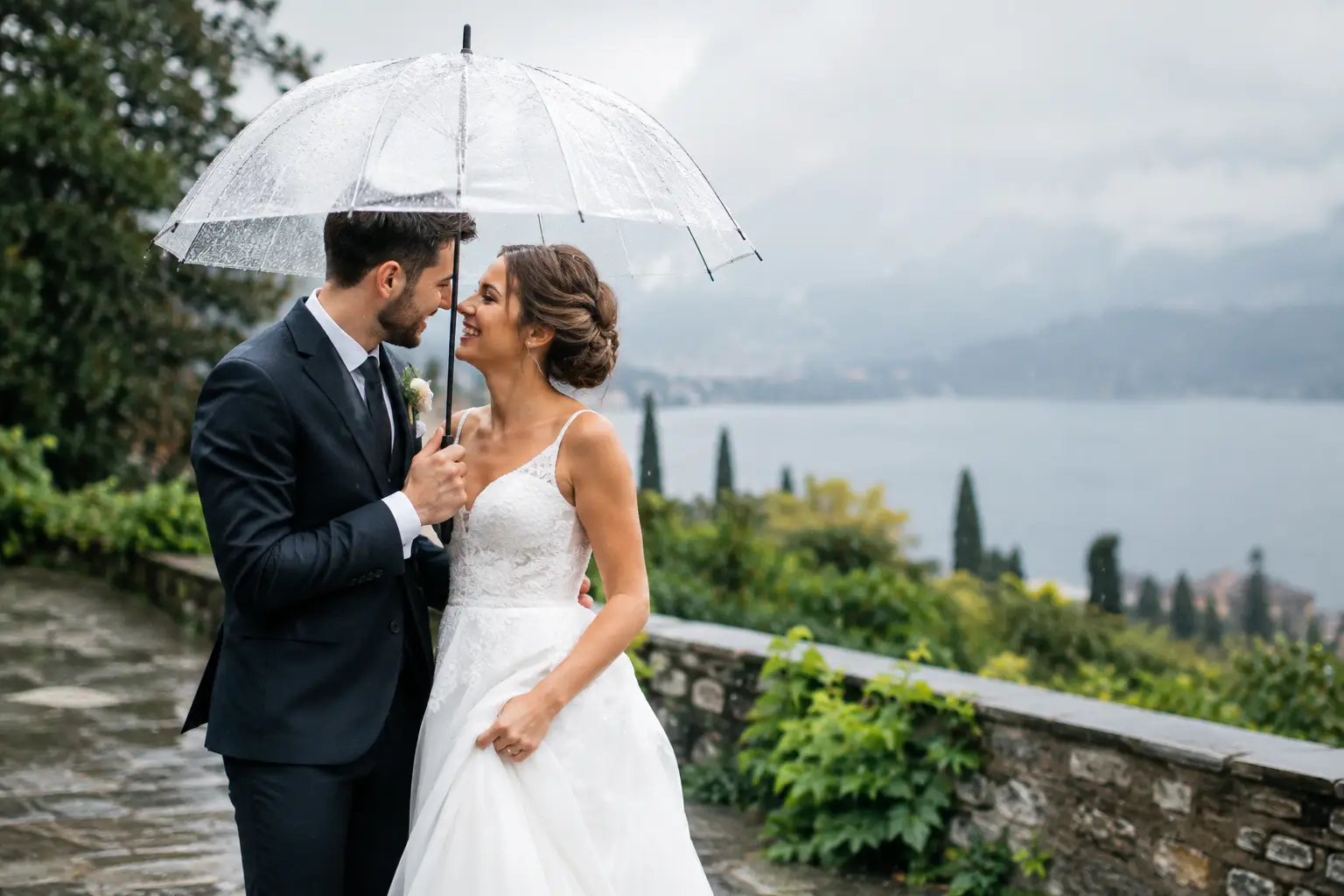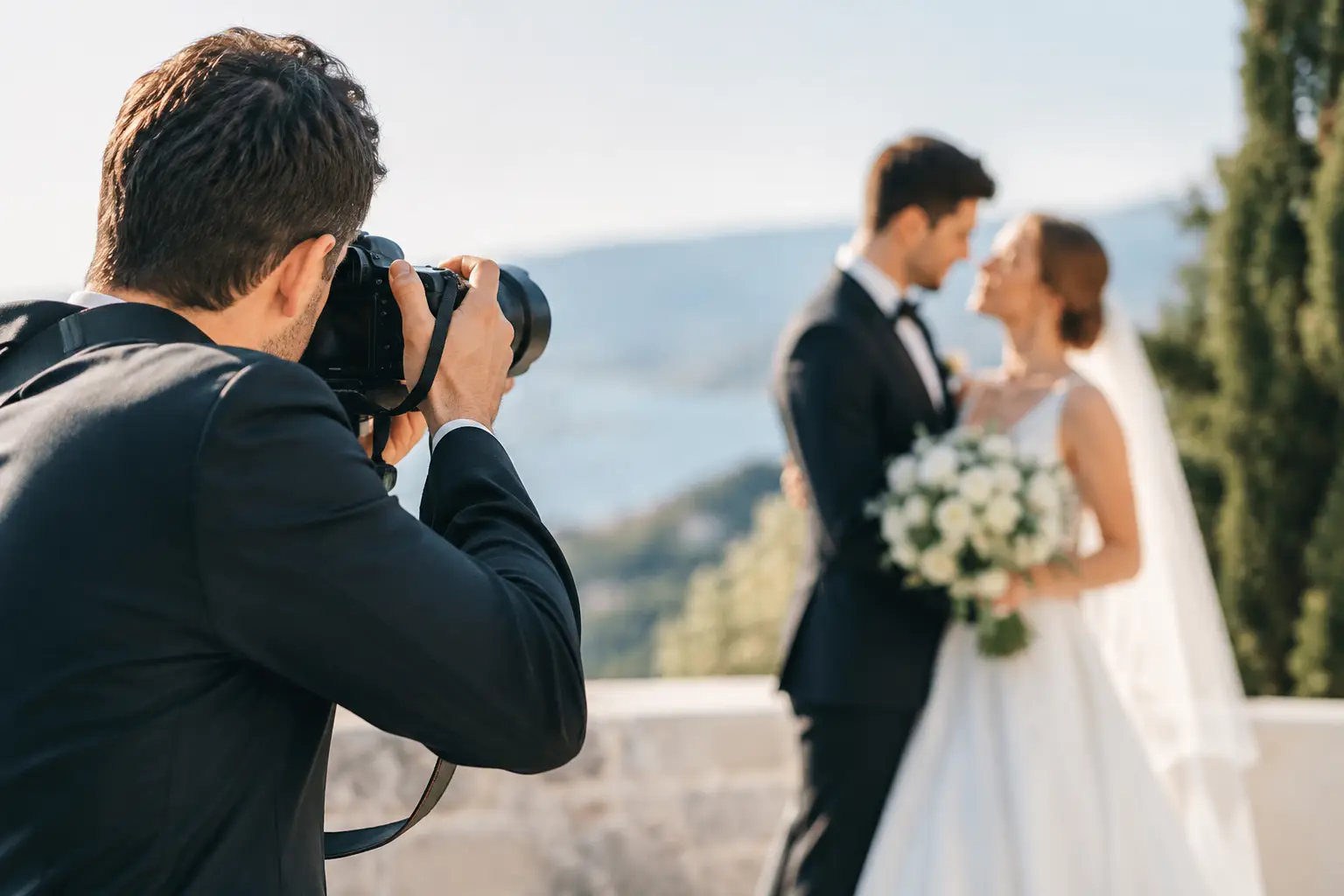

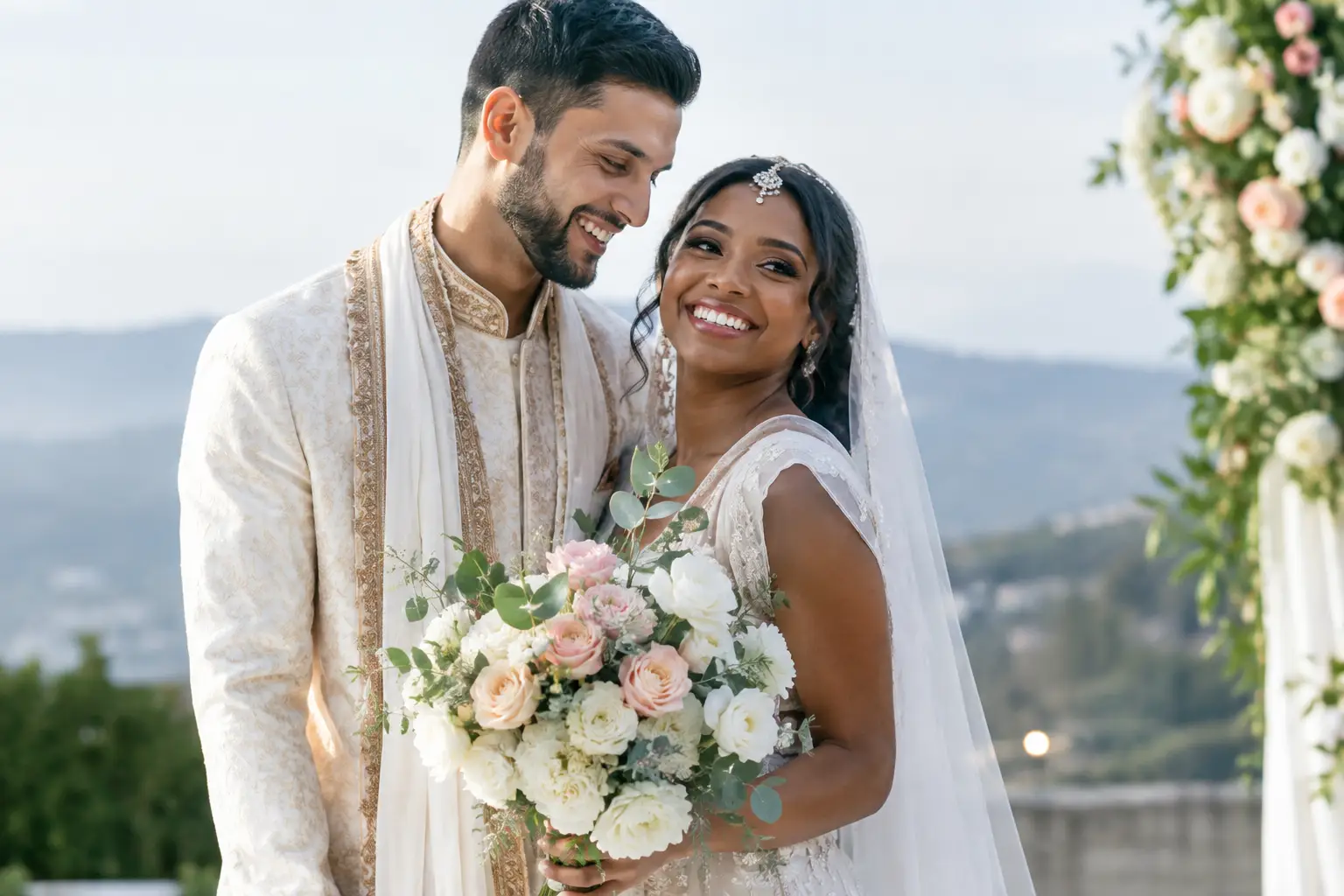
A wedding day can begin with a quiet tea ceremony, move into a joyful baraat, pause for a church blessing, and end with a packed dance floor where two families celebrate as one. The best multicultural wedding photography examples do not treat those moments as a checklist. They show the meaning behind them: a parent’s proud expression, a grandmother adjusting a garment, the laughter when relatives from both sides finally meet.
For couples planning weddings across New Jersey, New York, and Pennsylvania, honoring more than one background often means building a full day with different customs, outfits, languages, and generations in the room. That is not a challenge to minimize. It is the story worth preserving with care, experience, and beautiful professional photography.
What Great Multicultural Wedding Photography Captures
Multicultural wedding coverage is not simply photographing two ceremonies instead of one. It is paying attention to the transitions between them. The bride changing from a lehenga into a white gown, the groom receiving advice from an elder before a traditional entrance, or siblings helping grandparents find their seats can become some of the most meaningful photographs of the day.
A strong gallery balances formal family portraits with honest, unscripted emotion. Couples deserve the polished images that belong in an album and on a wall, but they also deserve the small moments they may never see themselves: guests wiping away tears, children studying a ceremonial detail, or a parent taking in the room during a first dance.
The visual approach should respect the energy of each event. A morning tea ceremony may call for quieter, intimate images. A Nigerian traditional celebration may call for vibrant color, movement, and wide photographs that show the room responding together. A reception blending Latin, American, Caribbean, Jewish, South Asian, or other traditions needs coverage that follows the action without forcing every moment into the same style.
Multicultural Wedding Photography Examples Couples Can Request
The clearest way to plan your photography is to think beyond general phrases such as “capture the culture.” Tell your photographer which moments carry family meaning and what you hope to remember when the day moves quickly.
A Chinese tea ceremony with real family connection
A tea ceremony can create some of the most heartfelt photographs of a multicultural wedding day. The key images are not only the couple serving tea. They include the hands receiving the cup, the jewelry or red envelopes being given, the bowed heads, and the expressions of parents and grandparents as they welcome a new family member.
A thoughtful photographer will also make room for a wider scene that shows the family gathered close together. Then, during a brief pause, they can create a few well-composed portraits of the couple in traditional attire before the schedule moves toward the next ceremony.
An Indian and Western wedding weekend
Indian and Western celebrations often provide a rich mix of color, ceremony, and personal style. Coverage may begin with henna details, family preparations, or a sangeet filled with performances and candid reactions. On the wedding day, the groom’s baraat, the bride’s entrance, garland exchange, sacred fire, and family blessings all deserve dedicated attention.
If a Western ceremony or reception follows, the story continues rather than starts over. A first look in formal attire, vows under an arch, speeches from both families, and a reception entrance can show how the couple has brought their lives together. The best images give equal respect to both parts of the celebration, without making one feel like an intermission.
A Nigerian traditional wedding and white wedding
Nigerian weddings are full of joyful movement, richly detailed attire, and family participation. Photographs of gele headwraps, embroidery, beadwork, and coordinated family colors provide important visual context, but the emotional center is often the greeting and introduction between families.
A skilled team watches for the reveal of the couple, the response from guests, and the moments when parents step forward to offer support or blessings. Later, formal portraits can highlight both the traditional outfits and the couple’s modern wedding style. This is especially valuable when relatives have traveled from different states or countries to be together.
Jewish traditions alongside another family’s customs
At a Jewish wedding, the ketubah signing, processional, chuppah, glass breaking, hora, and family dancing offer powerful visual moments. When these traditions are paired with another cultural or religious celebration, photography should show the full rhythm of the day rather than isolating one side of the family.
For example, a couple may begin with a family blessing from one heritage and later stand beneath the chuppah with loved ones from both backgrounds surrounding them. During the hora, the expressions on the faces of guests who are joining the tradition for the first time can be every bit as meaningful as the lifted-chair photographs.
A bilingual ceremony and a reception that brings everyone together
Many multicultural weddings are defined less by a single formal ritual and more by the way families communicate, eat, toast, and dance together. A bilingual ceremony may include readings in English and Spanish, Korean and English, or another combination meaningful to the couple. The photographs should show both the speaker and the emotional reaction in the audience.
At the reception, capture the generational mix. A grandfather dancing with a young child, friends learning a family dance, and the couple sharing traditions from both sides of the room are not filler images. They are proof that the celebration felt welcoming to everyone.
Planning for Meaningful Coverage Without Rushing the Day
The most beautiful photographs begin with clear planning. Before the wedding, share a simple timeline that identifies every ceremony, outfit change, family tradition, and must-have group portrait. If a ritual has rules about where photographers may stand, whether flash is permitted, or when images cannot be taken, communicate that early. Respectful coverage depends on knowing those details before guests arrive.
It also helps to identify one trusted family contact from each side. On a large wedding day, that person can help locate elders for portraits, explain a custom if timing changes, and make sure no important relative is missed. This keeps the couple from spending cocktail hour trying to organize family members.
Build realistic time into the schedule for portraits in each look. Ten minutes may be enough for a few romantic images, but not for a large extended-family combination, a traditional ceremony, and a full outfit change. If photo and video are both important, a coordinated creative team can work efficiently so neither service interrupts the other.
The Balance Between Direction and Documentary Moments
Couples often want candid photography but also worry that important relatives or traditions will be overlooked. The answer is not choosing one style over the other. It is hiring photographers who know when to quietly observe and when to step in with calm direction.
During ceremonies, a photojournalistic approach is usually best. The photographer should anticipate reactions and protect the atmosphere of the moment. During family portraits, clear direction matters. Grandparents should not be left standing for long, children need quick and patient guidance, and large groups need a professional who can bring order without making the experience feel stiff.
For couple portraits, the goal is natural connection rather than complicated posing. A walk together, a quiet conversation, or a few minutes away from the reception can create timeless images while giving the couple a breath between events. Those portraits become even more special when they include both cultural outfits, meaningful jewelry, or a location that reflects the celebration.
Details Are Part of the Family Story
Details should never replace people, but they help tell a complete story. Close photographs of invitation suites, ceremonial objects, embroidered fabrics, family heirlooms, signature foods, and reception decor preserve the thoughtful planning that goes into a multicultural event.
Ask your photography team to photograph these details early, before the room fills and before items are moved. If an heirloom has a story, share it. A necklace worn by several generations, a handwritten blessing, or a traditional garment made by a relative has more meaning when the photographer understands why it matters.
Choose Experience Over Assumptions
No culture is a photo prop, and no two families follow traditions in exactly the same way. Some couples want every ritual documented from beginning to end. Others want a shorter ceremony with a modern reception. Some families prefer formal portraits, while others care most about candid images of their guests. The right approach depends on your priorities, your timeline, and the people you love.
At Adorable Times Photography, our experienced photo and video team approaches every wedding with the same goal: preserve the emotion, honor the moments that matter, and give couples dependable, beautiful memories at an affordable value. Share your traditions, your family dynamics, and your vision early. The more your creative team understands what makes your celebration yours, the more naturally those memories will live on in every photograph.