

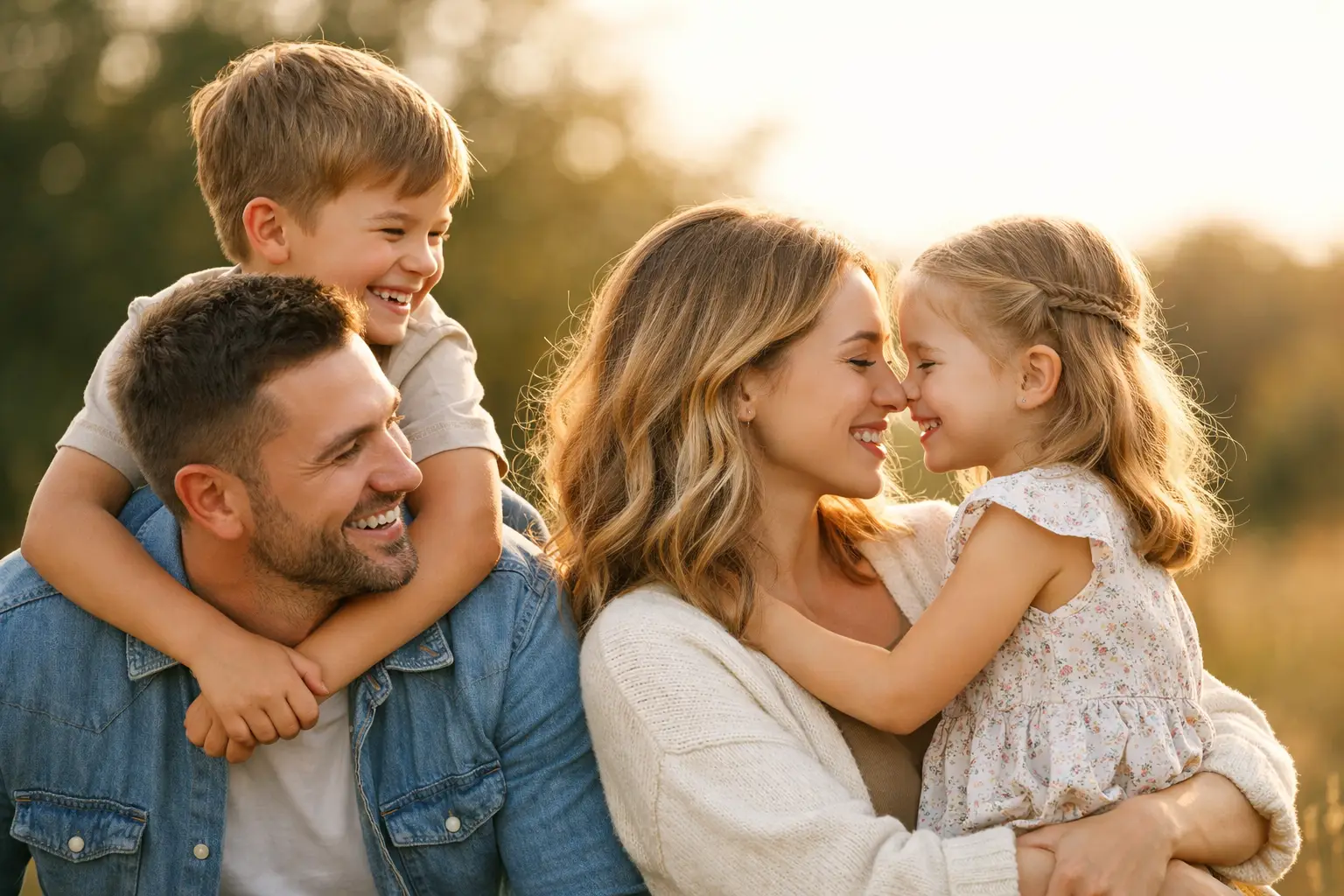
A family portrait should never feel like a test of who can hold a smile the longest. The best family photo pose ideas make room for the real things you want to remember: a toddler reaching for Dad’s hand, grandparents laughing at an inside joke, siblings leaning into one another, and the calm pride of having everyone together. A thoughtful pose gives the image structure, but genuine connection is what makes it meaningful for years to come.
At Adorable Times Photography, we have seen that the most beautiful family portraits are not created by asking everyone to be perfectly still. They come from gentle direction, comfortable spacing, and enough time for each family member to settle in. Whether you are planning a milestone session in New Jersey, a holiday portrait in New York, or a gathering with relatives visiting Pennsylvania, these ideas can help your photos feel polished without looking posed.
Start With Comfort, Not Perfection
Before choosing a pose, think about the people in the frame. Young children rarely respond well to long instructions, while teens may feel more comfortable with a simple action than a big grin on command. Older relatives may need a chair, a spot with stable footing, or a little extra time to get situated.
A professional photographer can adjust each pose to fit your family rather than forcing your family into a formula. The goal is not identical posture. It is a balanced image where everyone looks comfortable, connected, and included. If someone needs a break, take it. A relaxed family almost always photographs better than a rushed one.
Best Family Photo Pose Ideas for Every Group
1. The classic close-together portrait
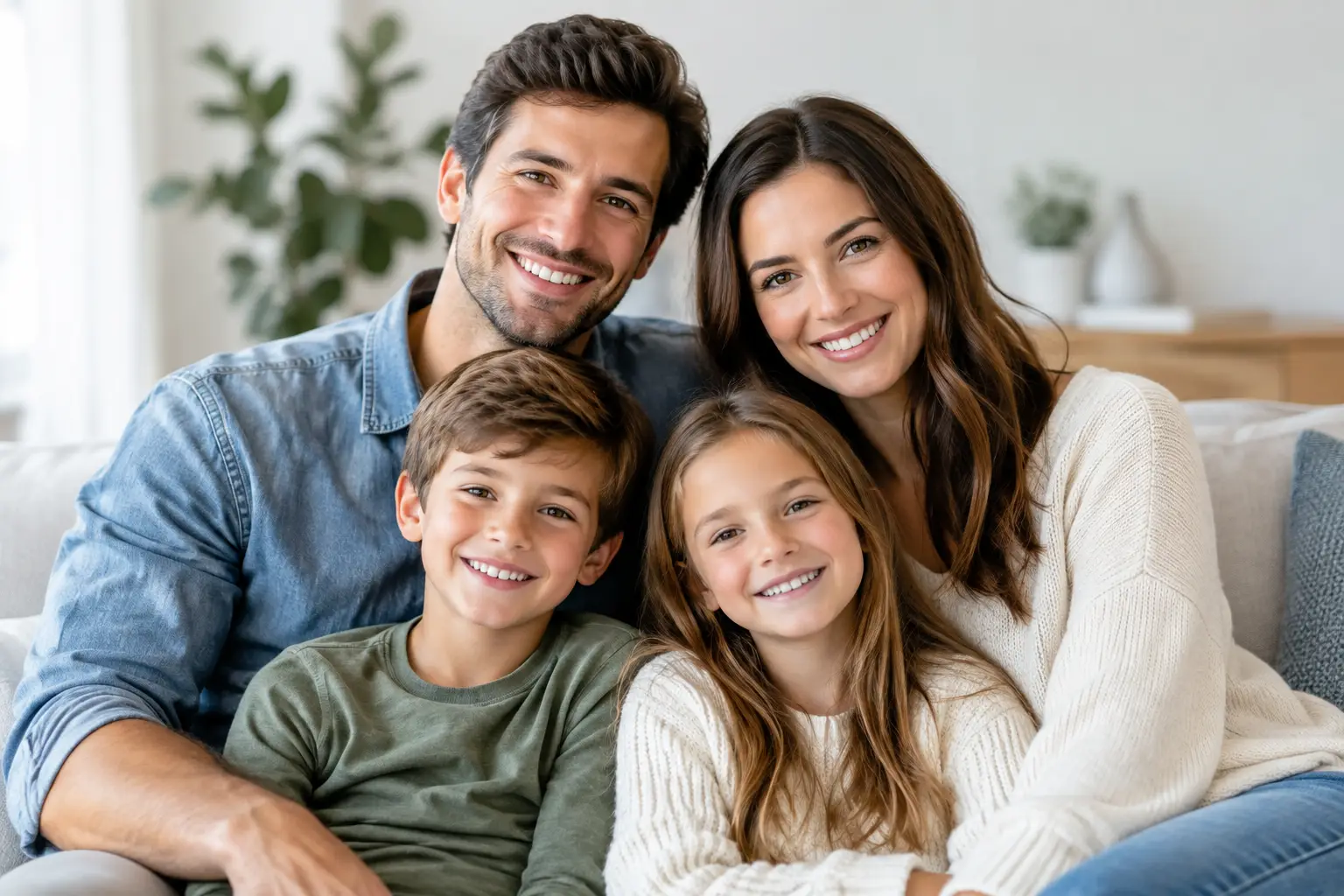
Begin with one dependable, camera-facing portrait. Place the tallest adults toward the center or back, then bring children close enough that no large gaps appear between people. Ask everyone to angle slightly inward instead of standing in a straight line. This simple adjustment creates warmth and helps the group look united.
This is the photo grandparents often frame and families use for holiday cards. It may not be the most spontaneous image of the day, but it is worth creating before moving into more playful moments.
2. The seated-and-standing arrangement
Mixing seated and standing positions adds dimension, especially for larger families. Parents or grandparents can sit on a bench, blanket, porch step, or low wall, while children gather around them. One person can kneel at the edge, another can stand behind, and the group naturally forms a pleasing layered shape.
This pose works particularly well when three generations are present. It also gives younger children a clear place to be, which can prevent them from wandering away between shots.
3. The walking-toward-the-camera shot
Ask the family to hold hands and walk slowly toward the camera. Nobody needs to stare at the lens the entire time. Look at one another, talk, or let the kids take a few quick steps ahead. The photographer can capture several frames, including one with everyone looking forward and others filled with movement.
Walking photos are a favorite for active families because they reduce the pressure of posing. The trade-off is that they need a safe, open location and enough room to move without distractions in the background.
4. The parents-in-the-middle cuddle
Position parents close together, with children tucked at their sides, in front, or between them. A little child can be held on a hip while an older child leans against a parent’s shoulder. Instead of asking everyone to smile immediately, ask parents to look at the children for a moment.
This pose captures the feeling of family life, not just the appearance of it. It is especially meaningful for pregnancy portraits, first birthdays, and sessions celebrating a new chapter.
5. The sibling connection pose
Give siblings their own moment. Have them sit shoulder to shoulder, hold hands, walk together, or wrap an arm around each other. For younger children, simple prompts work best: whisper a secret, show your sibling your funniest face, or look at their shoes together.
Do not worry if the result is a little goofy. Those expressions often become the photographs parents treasure most. If siblings are older and less interested in hugs, standing close with a shared laugh can feel much more natural.
6. The “look at each other” portrait
A camera-facing photo is essential, but it should not be the only one. Ask everyone to turn toward the person beside them, look at the youngest child, or share a quick conversation. These images create an emotional break from formal portraits and reveal the relationships within the group.
For a large family, choose one focal point. If every person looks in a different direction, the photo can feel scattered. A photographer may ask the adults to look at the children, then capture the children’s reactions as they notice the attention.
7. The blanket or picnic pose
A blanket creates an easy, inviting setting for a relaxed outdoor session. Parents can sit close together while children cuddle in front, lie on their stomachs, or play beside them. Soft blankets are particularly helpful with babies and toddlers, who often feel safer when they have a defined place to sit.
Choose colors that complement your clothing rather than compete with it. Neutral textures, soft plaids, and simple solid colors usually keep the attention on the family.
8. The playful lift or swing
A child lifted overhead, swung gently between two parents, or riding on Dad’s shoulders brings energy to a gallery. These poses should always be age-appropriate and safe, but when done carefully, they produce honest laughter that cannot be staged.
Parents should wear comfortable shoes and avoid a movement that feels awkward or risky. The best version of this photo is not the highest lift. It is the moment everyone is genuinely having fun.
9. The generations portrait
When grandparents, adult children, and grandchildren are together, create a dedicated portrait before the full group photo. Seat grandparents comfortably, then bring their children and grandchildren close around them. A grandchild sitting on a grandparent’s lap or holding a hand can add a tender, natural detail.
These photographs carry special weight because schedules, distance, and busy lives do not always make multi-generational gatherings easy. Give this pose a few extra minutes. It is often one of the most important images from the entire session.
10. The individual-with-each-child series
Not every meaningful family photo has to include the whole group. Capture Mom with each child, Dad with each child, and a portrait of the parents together. These smaller combinations show relationships that can get lost in a large group image.
They also give children a chance to relax. A shy child may light up during a one-on-one photo with a parent, even if they were hesitant in the full family portrait.
11. The candid activity pose
Choose a simple activity that reflects your family: reading a favorite book, tossing leaves, decorating cookies, playing on the beach, or sharing a picnic. The activity should be easy enough that it does not become the focus of the session. It is there to give hands something to do and create natural interaction.
This approach is ideal for families who worry they are not photogenic. You do not need to perform for the camera when you are already doing something together.
12. The porch or front-door portrait
Your home can be a meaningful setting, particularly after a move, before welcoming a baby, or during a holiday season. Stand in the doorway, sit on the front steps, or gather along the porch rail. The house becomes part of the story without overpowering the people in it.
A home session depends on light and available space, so an experienced photographer may suggest photographing near the front door or in a bright room rather than trying to use every area of the house.
13. The back-to-camera scene
Not every frame needs faces. Photograph the family walking away hand in hand, sitting together facing a sunset, or watching children run toward a favorite view. These images add variety to an album and emphasize the shared experience of the day.
They are also useful when a child needs a break from being looked at. Often, that quiet pause leads naturally into the next happy expression.
14. The big laugh prompt
Instead of saying “say cheese,” use a prompt that invites a real response. Ask children who gives the best hugs, have everyone look at the person most likely to make them laugh, or let siblings tell a silly joke. The photographer should be ready for the reaction, because the best moment often happens right after the prompt.
Avoid overusing jokes if they make the session chaotic. One playful reset between calmer poses is usually enough to bring energy back.
15. The quiet closing portrait
End with a slower pose: parents holding hands while children gather close, a family seated together, or everyone simply leaning in. By the end of the session, people are often less self-conscious, and that comfort shows. A quiet final image can become the emotional anchor of your collection.
What to Wear So Poses Look Effortless
Clothing affects how every pose feels. Coordinate colors rather than matching every outfit exactly. Soft neutrals, muted blues, warm earth tones, and one or two subtle patterns photograph beautifully because they create harmony without making the image look like a uniform.
Prioritize clothes that allow movement. If a child cannot sit, run, or be lifted comfortably, the best pose ideas become harder to use. Layering can add texture during fall and winter sessions, while breathable fabrics are helpful for warm-weather portraits across the Northeast.
Let the Moment Lead
The strongest family portraits leave room for the unexpected. A carefully arranged group photo has value, but so does the frame where a baby grabs a parent’s face or everyone laughs because the dog refuses to cooperate. Trust a photographer who knows when to guide the pose and when to step back.
Bring patience, choose clothing that feels like you, and focus less on perfect smiles than on being present with the people you love. Years from now, you will not remember every instruction from the session. You will remember how it felt to have your family together, exactly as you were in that season of life.



Pingback: How to Choose a Maternity Photographer Near You - Adorable Times Photography
Pingback: How to Photograph Birthday Parties Like a Pro - Adorable Times Photography
Pingback: Multicultural Wedding Photography Examples That Matter - Adorable Times Photography
Pingback: Family Portrait Style Trends Worth Remembering - Adorable Times Photography