
The moment your vows are spoken, your parents react, and the room fills with applause, the day starts moving faster than most couples expect. A strong wedding videography planning guide helps you protect those once-in-a-lifetime moments before the schedule gets busy, the emotions take over, and details start to blur together.
Photos freeze the scene. Video preserves the movement, the voices, the nerves, the laughter, and the energy that made the day feel like yours. If you are planning a wedding in New Jersey, New York, or Pennsylvania, thoughtful video planning matters even more because timelines, travel, weather, and venue rules can shape what is possible. The best results rarely happen by accident. They come from clear decisions made early.
Why a wedding videography planning guide matters
Couples often book videography after they have already chosen a venue, photographer, florist, and DJ. By then, they may be working around a timeline that was not designed with motion coverage in mind. That is where stress begins. If your ceremony space has strict setup rules, if your reception runs tight, or if your getting-ready locations are far apart, your final film can suffer unless those realities are planned for in advance.
Video is also different from photography in practical ways. A photographer can often capture a beautiful image in a split second. A videographer needs time, clean audio, movement, and continuity. That means your timeline, lighting, and even room noise matter. Good planning gives your video team the chance to capture both the polished highlights and the candid emotion between them.
Start with the moments you care about most
Before comparing packages or shot lists, think about what you want to remember ten years from now. Some couples care most about the ceremony and speeches because those are the parts they can never recreate. Others want a cinematic film built around reactions, dancing, quiet exchanges, and family moments.
This is where priorities matter. If hearing your vows again is non-negotiable, audio quality should be a major part of your decision. If you want a lively highlight film, the reception and guest interactions may deserve more coverage time. If your family is traveling from different states or countries, capturing those personal connections may matter more than highly staged footage.
A wedding video should not feel generic. It should reflect the emotional rhythm of your day, not just the standard order of events.
Choosing the right videography coverage
Not every wedding needs the same level of coverage. A smaller celebration may only need a focused set of hours, while a traditional full-day wedding usually benefits from start-to-finish documentation. The right choice depends on your schedule, your budget, and what parts of the day carry the most meaning for you.
Shorter coverage can work well when the ceremony and reception happen in one place and you are comfortable skipping early prep footage. Full-day coverage is usually the better fit when you want the story to feel complete, from getting ready through the final dances. If you are planning a cultural wedding, religious ceremony, or multi-location event, extra coverage often becomes necessary rather than optional.
Affordability matters, but so does realism. Booking too few hours may save money upfront and cost you important memories later. The right package should match the actual shape of your day.
Build a timeline that supports video
One of the smartest steps in any wedding videography planning guide is building a timeline that leaves breathing room. Tight schedules create rushed footage, delayed transitions, and missed moments. A little extra time creates calmer energy and better storytelling.
Try to avoid stacking every major event too close together. If your first look runs late and formal portraits immediately follow, your videographer may have no time for natural couple footage. If speeches start the second guests sit down, there may be little chance to capture reception atmosphere first. These details sound small while planning, but they affect the final film in a big way.
Travel time is another common issue in the Northeast. Weddings in New Jersey, New York, and Pennsylvania often involve separate hotel, church, park, and ballroom locations. Even a beautiful route can become a problem if traffic cuts into coverage. It is always better to plan conservatively than assume everything will move perfectly.
Leave room for getting ready footage
Getting ready is often where the emotional tone of the day begins. The dress hanging nearby, parents stepping into the room, handwritten notes, jewelry, invitations, and the quiet nerves before the ceremony all add depth to your wedding film. If that part matters to you, your team needs enough time and a reasonably organized space.
Crowded rooms, poor lighting, and a rushed schedule can make prep coverage harder than couples realize. Clean one section of the room if possible, gather meaningful details in one place, and let key family members know when important moments are happening.
Plan for audio, not just visuals
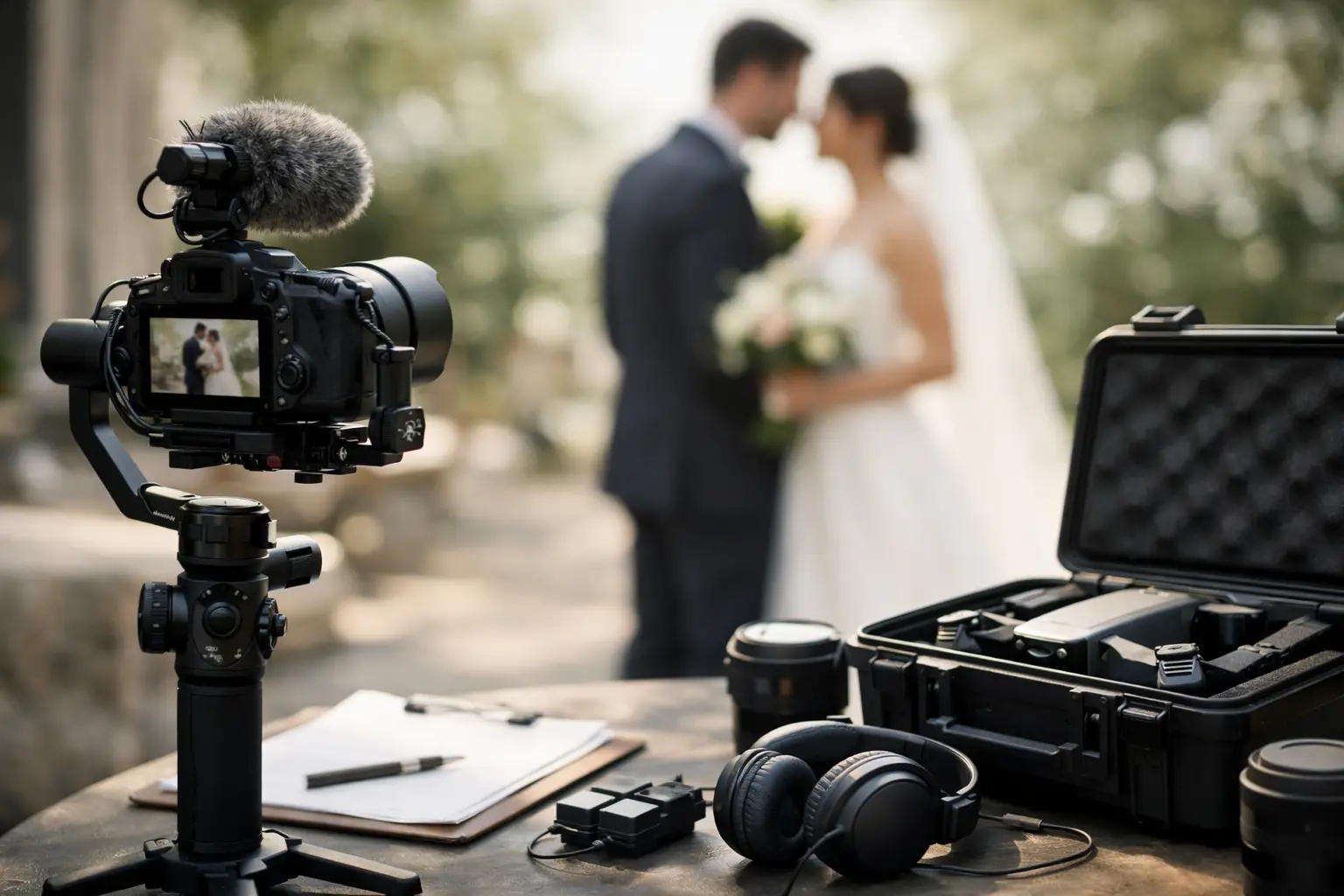
Beautiful footage alone does not create a memorable wedding film. Clear sound is what brings the day back to life. Vows, letters, ceremony readings, toasts, and spontaneous reactions often become the emotional backbone of the finished video.
If your ceremony is outdoors, wind and ambient noise should be discussed ahead of time. If your reception room is large or your DJ setup is complex, your video team may need coordination for clean speech audio. This is one area where experience makes a real difference. Couples remember how the day felt, and sound is a major part of that feeling.
Communicate with your photo and video team early
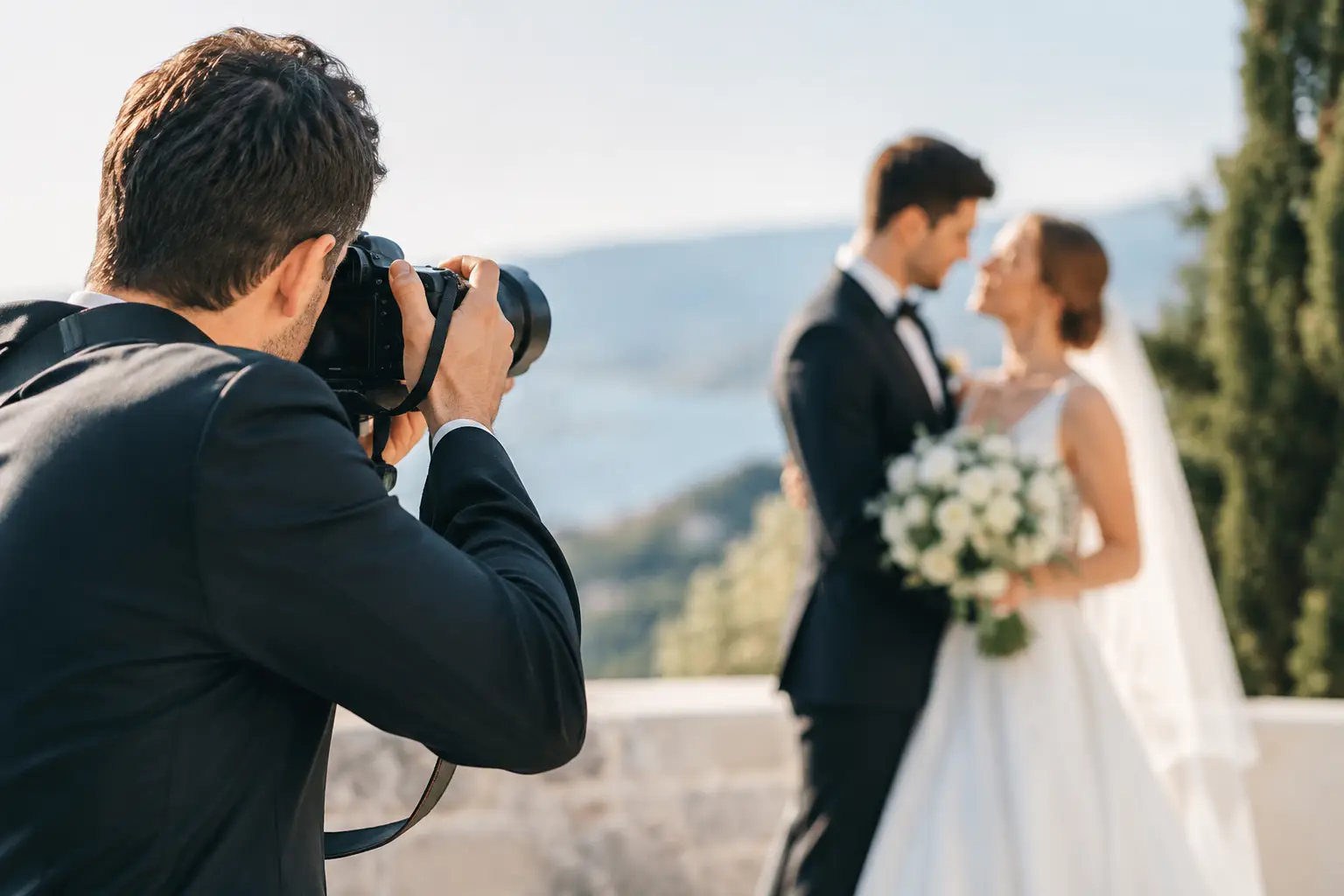
Photography and videography work best when they support each other. Since both teams are capturing the same day from different creative angles, clear communication helps everything run more smoothly. If one team is rushing through portraits while the other still needs moving shots, tension can build quickly.
An experienced full-service team has an advantage here because they already understand how to share time, lighting, and space without slowing the day down. That can be especially valuable for couples who want professional results without overcomplicating the planning process. Adorable Times Photography has long worked with couples who want both emotional storytelling and dependable coverage at a comfortable price point, and that combination matters on a wedding day where timing is everything.
If your photo and video teams are separate, make introductions early and share the same timeline with both. Everyone should know when the major moments happen, how much portrait time is available, and whether there are any venue restrictions.
Think about the venue from a videographer’s point of view
A ballroom may look beautiful in person and still create challenges on film. Dark ceilings, mixed lighting colors, tight prep rooms, and strict ceremony movement rules all affect coverage. The goal is not to avoid these venues. It is to plan around them.
Ask whether your ceremony location allows aisle movement, tripods, or audio equipment. Ask how early vendors can arrive. If your reception lighting will be very dark, ask your videographer how they handle low-light footage. Great professionals can work in many environments, but every room has trade-offs.
Outdoor weddings bring their own variables. Natural light can be gorgeous, but midday sun can be harsh and weather can change quickly. A backup plan should always consider more than guest comfort. It should also consider how key moments will be documented.
Decide what your final film should include
When couples say they want wedding videography, they may be imagining very different deliverables. One person may want a short cinematic highlight film to share with family. Another may care more about having the full ceremony and speeches preserved in real time. Ideally, you should know what you are paying for and what you will receive.
This is where details matter. Ask whether your package includes a highlight film, full ceremony edit, full toast edit, teaser, or raw footage. None of these options is automatically better than the others. It depends on how you want to relive the day. Many couples want a combination of polished storytelling and full-length documentation, which is often the most satisfying middle ground.
Keep the day real, not over-produced
The best wedding films usually come from couples who are present, not performing. A little direction is helpful. Endless staging is not. If every moment is interrupted for retakes, the day starts to feel less natural and the emotion can flatten.
Trust matters here. When you hire an experienced videography team, you do not have to manufacture every shot. Real smiles, real tears, and real movement will always age better than trends that feel forced. Your wedding film should still feel like your relationship, your families, and your celebration.
A good plan gives structure without taking away spontaneity. That balance is where meaningful wedding videography lives.
As you make decisions, choose the coverage that protects the moments you cannot repeat, not just the package that looks simplest on paper. Years from now, hearing a voice, seeing a reaction, and watching the people you love move through that day will matter in ways you cannot fully measure while planning.