
A beautiful family portrait rarely comes from asking everyone to stand perfectly still and smile on command. The images families cherish most are the ones that show real connection: a child leaning into a parent, grandparents surrounded by the people they love, and siblings sharing a genuine laugh. Learning how to pose for family portraits is less about stiff positions and more about giving your family a comfortable place to be together.
At Adorable Times Photography, we have seen how quickly a portrait session changes when families stop worrying about looking perfect. A little thoughtful direction, a flattering arrangement, and room for natural interaction can create timeless images that feel as warm years from now as they did on the day they were taken.
How to Pose for Family Portraits Without Looking Stiff
The best starting point is to think in groups, not in a straight line. A row of people standing shoulder to shoulder can work for one formal image, especially for a large family gathering, but it should not be the only setup. Instead, bring people closer together and create small connections between them.
Ask family members to angle their bodies slightly rather than facing the camera head-on. Shoulders turned just a little can look more relaxed and flattering. Hands should have a purpose too: a hand on a child’s shoulder, an arm around a partner, or fingers gently linked with a loved one all create warmth. The goal is not to choreograph every inch. It is to avoid the uncertain, hanging-at-the-sides feeling that can make anyone look uncomfortable.
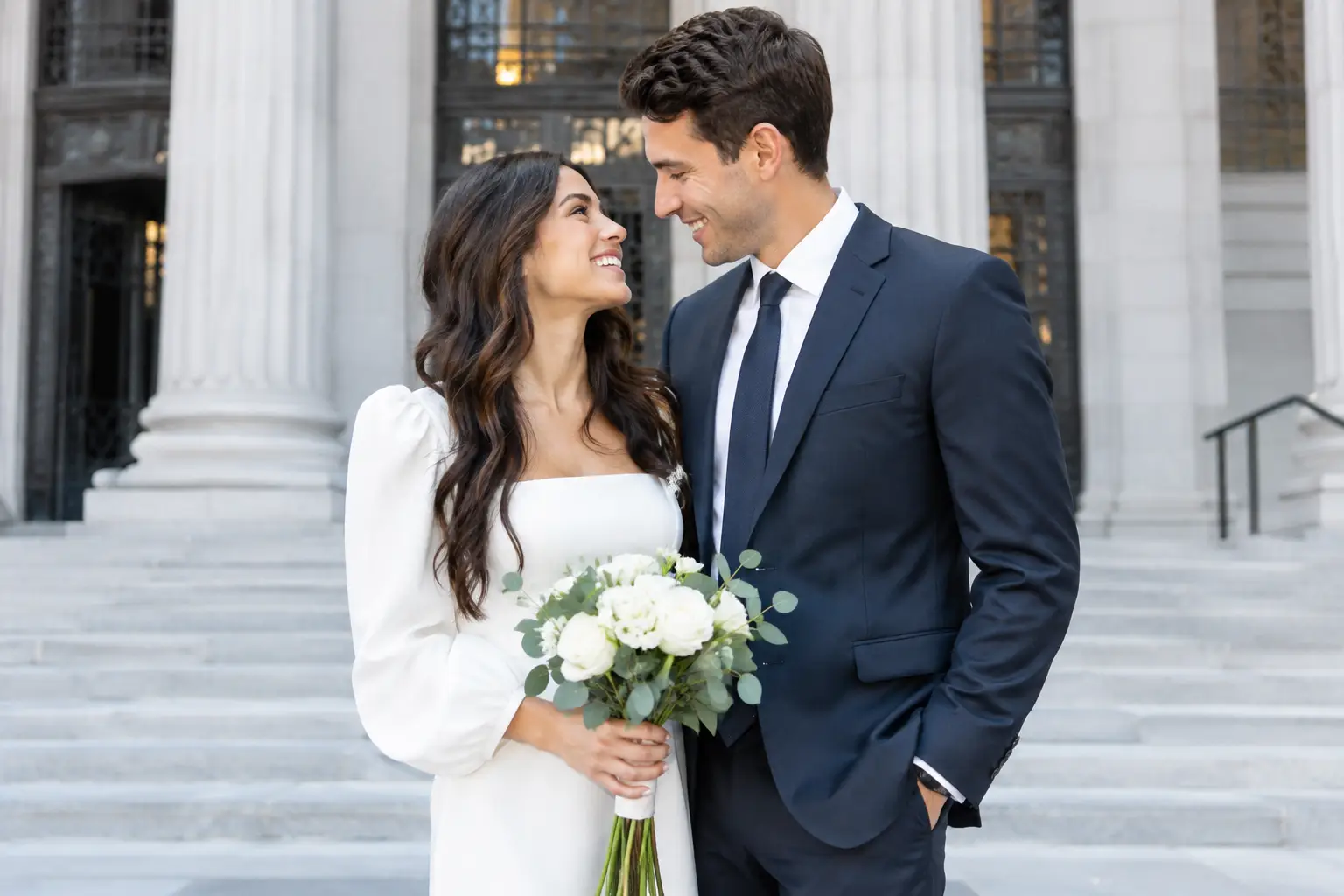
For couples within the family, standing close with hips angled toward each other creates an easy, affectionate pose. For parents with children, closeness matters more than matching expressions. Let the children tuck in at their parents’ sides, sit between them, or climb onto a lap when it feels natural. Physical connection tells the story before anyone even looks at the photograph.
Start With the Formal Portrait First
When young children, older relatives, or a large group are involved, take the most traditional portrait early. Everyone is fresh, clothing is neat, and attention spans are still intact. This image may be the one grandparents frame or the one used for holiday cards, so it deserves a few calm minutes of care.
Place the tallest adults toward the center or just behind the group, then vary heights around them. Sitting, standing, and gently leaning can add shape to the image. If everyone is the same height, the portrait can look flat. A bench, low wall, steps, or a blanket on the ground can give the photographer natural levels to work with.
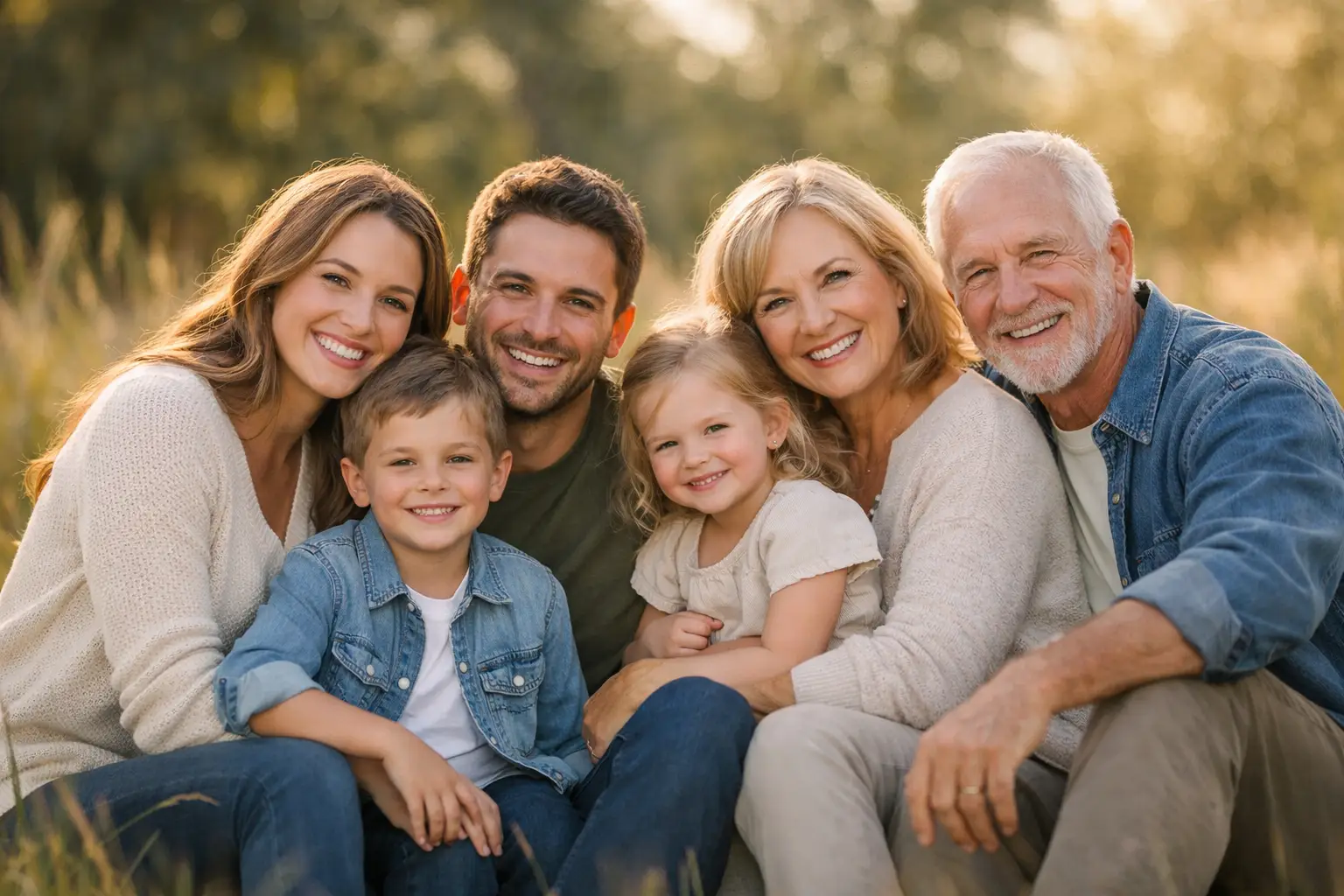
For a multi-generation portrait, seat grandparents first if possible. Their comfort should lead the arrangement. Children can sit or stand near them, while parents and adult siblings fill in around the outside. This approach creates a natural center of attention and helps the entire group feel connected rather than scattered.
Keep Faces Visible
A family photo can feel close and cozy without hiding anyone. Ask people on the edges to turn their faces slightly inward, and avoid placing one person directly behind another. If a child is being held, position them high enough that their face can be seen clearly. Little adjustments make a major difference once the image is viewed later.
Photographers will also watch for chin position. A slight lift of the chin can prevent shadows, while lowering it too far may hide the eyes. Rather than overthinking it, follow simple direction and relax your shoulders. A professional photographer sees details that are difficult to notice while you are in the moment.
Give Kids Something to Do
Children do not need to behave like tiny adults to create great family portraits. In fact, some of the most meaningful images happen when they are allowed to be themselves. Expecting a toddler to sit perfectly still for several minutes is usually a recipe for frustration. It is better to work with their energy than against it.
Give them a simple action. Ask them to hold a parent’s hand, whisper something funny, cuddle close, or look at their sibling. A small game can create authentic smiles far more easily than repeating “say cheese.” If they need a break, let them move for a minute. A short pause is often much more effective than trying to force cooperation.
Parents can help by staying patient and upbeat. Children read the room quickly. If adults become stressed about a serious expression or a wrinkled shirt, kids often become uneasy too. Trust your photographer to guide the session and capture the in-between moments, because those quick hugs, silly faces, and bursts of laughter often become family favorites.
Use Movement for Candid, Connected Images
Not every family portrait needs everyone looking directly at the camera. After the formal shot, movement helps portraits feel alive. Walk slowly together, hold hands, let the kids run ahead and turn back, or gather in close for a group hug. These prompts create natural expressions and give everyone something to focus on besides the camera.
Movement works especially well for families who say they are not photogenic. That concern is common, but it usually means people are worried about being posed too rigidly. A photographer can offer gentle prompts while allowing the moment to unfold. Looking at one another, sharing a joke, or simply taking a few steps together often feels easier than holding a single pose.
The setting matters here. A park, shoreline, garden, or meaningful family property gives you room to move and creates variety without requiring a complicated session. In New Jersey, New York, and Pennsylvania, seasonal color and familiar locations can become part of the memory. Still, a beautiful background should never distract from the people in it. Your connection remains the focus.
Choose Clothing That Helps You Feel Like Yourselves
Coordinating clothing is helpful, but matching every person exactly is not required. Choose a color palette with two or three complementary tones, then allow each family member some individuality. Soft neutrals, earth tones, muted blues, and warm seasonal colors often photograph beautifully because they keep attention on faces and expressions.
Avoid large logos, busy graphics, and highly reflective fabrics when possible. These can pull attention away from the family and may look dated sooner than classic clothing. Comfort is equally important. If a child hates a scratchy sweater or an adult feels restricted in a new outfit, that discomfort can show in the photos.
Think about the location and the season. A formal indoor portrait may call for a more polished look, while an outdoor fall session can feel natural with layered textures and rich colors. There is no single right choice. The most successful wardrobe is one that feels coordinated, appropriate for the setting, and true to your family.
Small Details That Make a Big Difference
Before the session, plan enough time so nobody arrives rushed. A family portrait is not improved by a stressful car ride, missed snacks, or a last-minute search for shoes. Build in a little breathing room, especially if babies or young children are part of the session.
Bring only what you truly need. Water, a favorite small toy for a child, and a simple backup layer for changing weather can be useful. Avoid bringing large bags or distracting items into every frame. If sentimental props are meaningful to your family, such as a quilt made by a grandparent or a treasured heirloom, use them intentionally rather than trying to include too many things at once.
Most of all, release the expectation that every person must be smiling in every photograph. Real families have different personalities, moods, and energy levels. One child may be laughing while another is quietly leaning against Mom. A teenager may offer a subtle smile instead of a big grin. Those differences are part of what makes the portraits honest.
When you focus on being close, enjoying one another, and trusting an experienced photographer to guide the details, posing becomes much easier. Years from now, your family will not remember whether every hand was placed perfectly. You will remember the people who were there, the laughter you shared, and the love that filled the frame.