

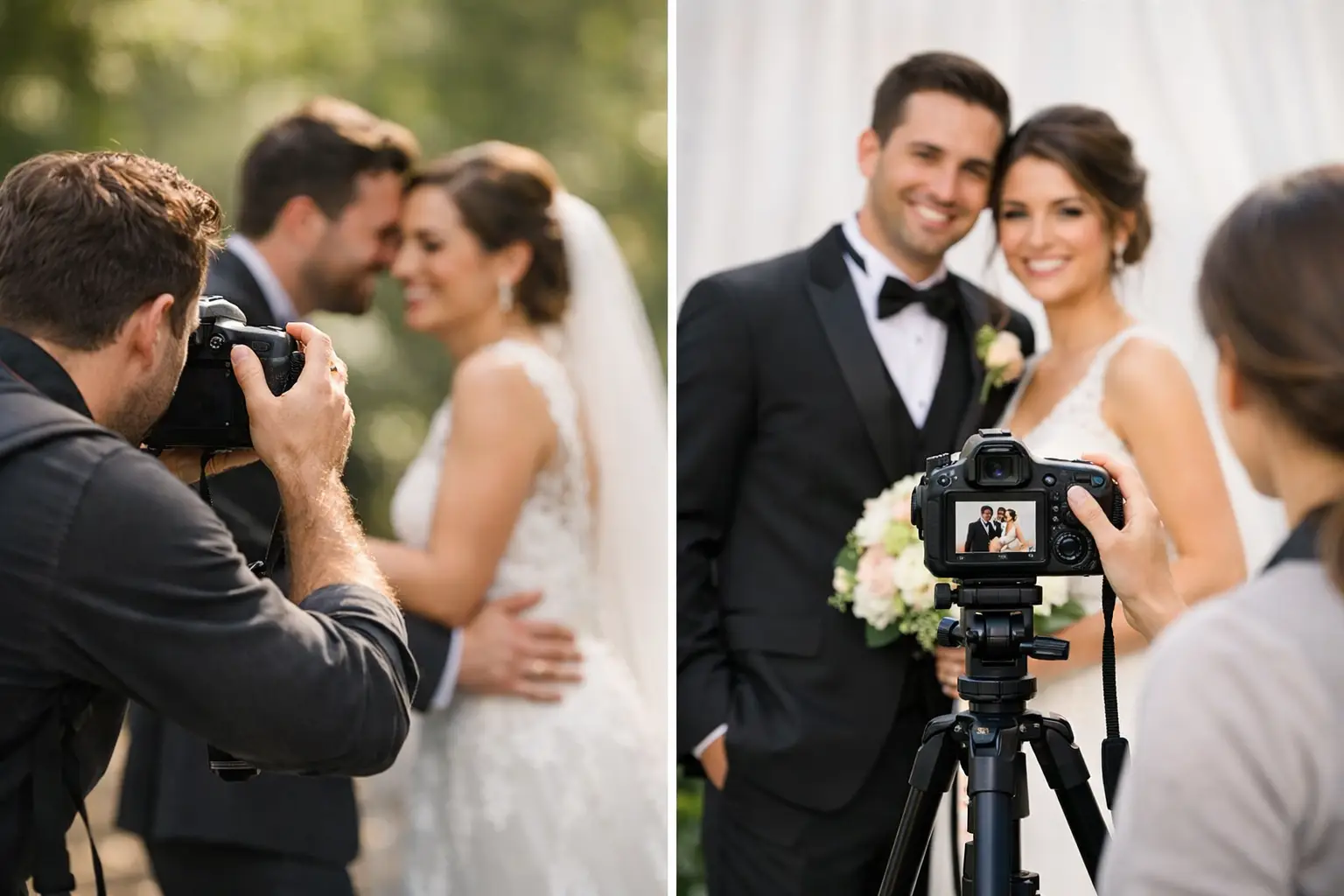
The moment your parent straightens your veil, your partner laughs through happy tears, or your grandparents pull you in for a quick hug before the ceremony, you do not get a second chance at that photograph. That is why wedding photojournalism vs traditional photography is such an important decision. The style you choose shapes how your wedding day will be remembered, from the big formal portraits to the small emotional moments you may not even notice while they are happening.
For many couples in New Jersey, New York, and Pennsylvania, this choice is not really about picking one style and rejecting the other. It is about deciding what balance feels right for your day, your family, and your priorities. Some couples want elegant portraits that look timeless in a frame. Others care most about candid reactions, movement, and real emotion. Most want both.
What wedding photojournalism means
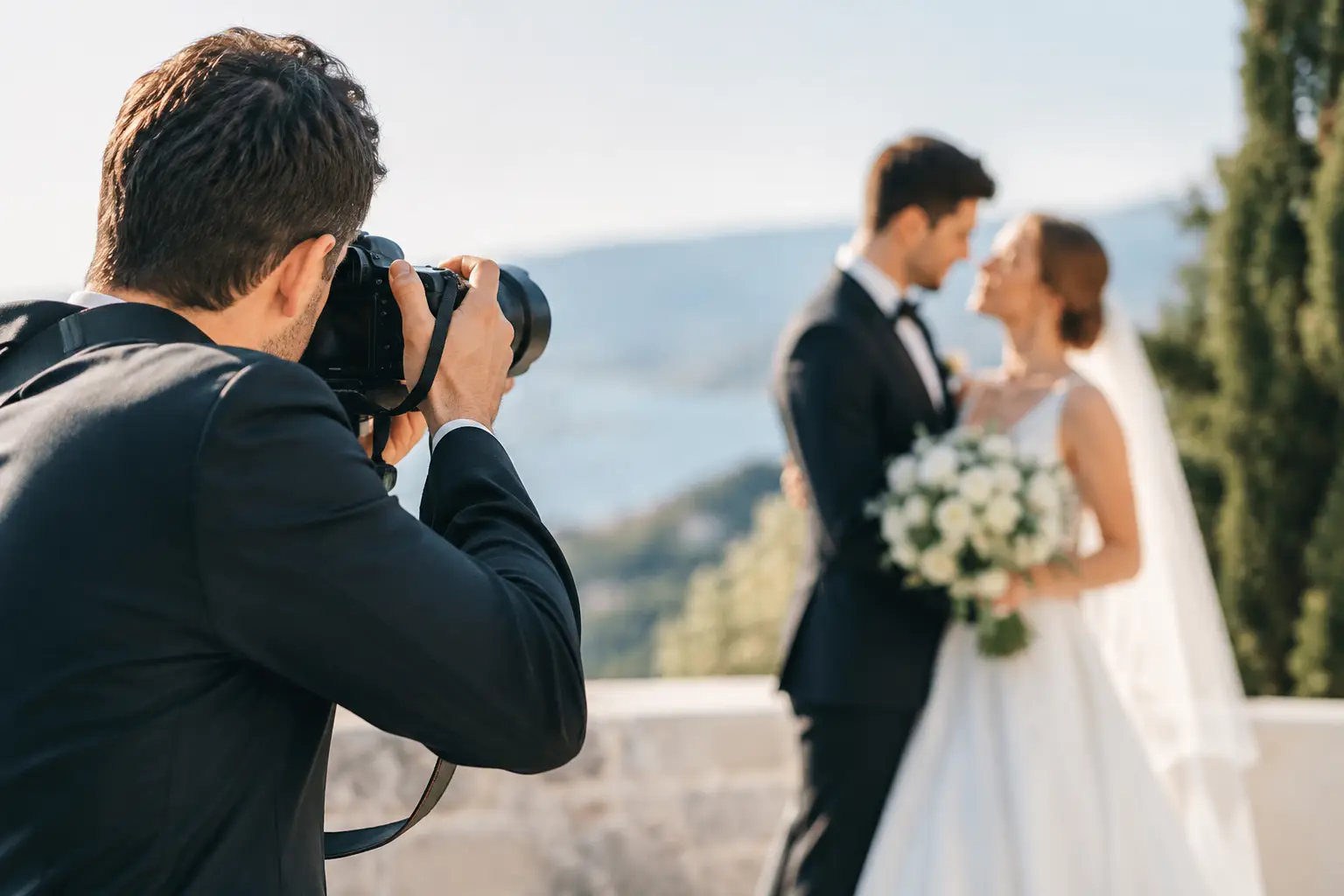
Wedding photojournalism is built around observation. Instead of constantly directing the couple and guests, the photographer watches the day unfold and captures real moments as they happen. Think of your flower girl spinning in the hallway, your father taking a deep breath before walking you down the aisle, or your friends laughing during the reception without looking at the camera.
This style often feels more natural because it is less posed. The goal is storytelling. A photojournalistic wedding gallery usually includes the in-between moments that make a wedding feel personal and alive, not just the expected highlights.
That said, photojournalism is not the same as simply taking random candid photos. Good wedding photojournalism takes timing, anticipation, and experience. A skilled photographer knows when to step back and when to move in, how to work in changing light, and how to preserve emotion without interrupting it.
What traditional wedding photography means
Traditional wedding photography is more guided and structured. It focuses on posed portraits, clear compositions, and important group shots. This is the style many people think of when they picture a wedding album with family formals, couple portraits, bridal party images, and classic ceremony photographs.
Traditional coverage creates polished, intentional images. If your family wants a portrait with grandparents, siblings, cousins, and close relatives all looking at the camera, this is where traditional photography shines. It gives your day a sense of order and makes sure the people who matter most are documented carefully.
There is a reason this style has stayed popular for decades. It is dependable, flattering, and often essential for family expectations. Many couples may love candid images, but they still want that beautifully lit portrait over the fireplace and the formal family photo that gets shared for years.
Wedding photojournalism vs traditional photography: the real difference
The biggest difference between wedding photojournalism vs traditional photography is not which one is better. It is how each style approaches the day.
Photojournalism captures the wedding as it naturally unfolds. Traditional photography shapes the moment with direction and posing. One leans into spontaneity. The other values control and structure.
This affects not only the look of your photos, but also your experience on the wedding day. A more photojournalistic approach can feel less intrusive and more relaxed, especially during emotional parts of the day. A more traditional approach can feel organized and efficient, especially when family groupings and portrait timelines matter.
Neither style is automatically the right choice for every couple. Your venue, schedule, guest count, and family dynamics all play a part.
Where photojournalism works beautifully
Photojournalism tends to be especially powerful during getting ready, first looks, ceremonies, cocktail hour, and receptions. These parts of the day are full of motion and emotion. The best moments are often unplanned.
If you are the kind of couple who does not love being in front of the camera, this style can also feel easier. You are not being asked to perform all day. Instead, your photographer documents reactions, interactions, and atmosphere in a way that feels genuine.
It is also a wonderful fit for couples who care about storytelling. A photojournalistic gallery often feels like a complete memory of the day, not just a collection of portraits. You see the tears, the nerves, the laughter, the energy in the room, and the small details that might otherwise be forgotten.
The trade-off is that candid coverage depends on what actually happens in the moment. If family members are distracted, if lighting is difficult, or if the timeline becomes rushed, there is less control. That unpredictability is part of the charm, but it is still unpredictability.
Where traditional photography works beautifully
Traditional wedding photography is strongest when you want certainty. Family portraits, bridal party lineups, ceremony shots from key angles, and romantic couple portraits all benefit from guidance. If you have a large family or a detailed shot list, a traditional approach helps keep everyone focused and on schedule.
This style is also helpful if you want to feel confident that the classic must-have images will be captured cleanly. Parents and grandparents often appreciate these photographs because they are easy to display, share, and revisit over time.
For formal venues, religious ceremonies, and weddings with strong family traditions, traditional photography can feel especially appropriate. It provides a timeless look that does not depend on trends.
The trade-off is that too much structure can slow the pace of the day if it is not handled well. Long portrait sessions can pull you away from guests. Over-directing can also make some images feel less relaxed. That is why experience matters so much. The best traditional photographers know how to keep things moving and keep expressions natural.
Why many couples choose a blend of both
For most modern weddings, the smartest answer is not one style or the other. It is a thoughtful combination.
A blended approach gives you the emotional honesty of candid coverage and the reliability of classic portraits. You can have documentary-style images of your ceremony entrance and reception reactions, while still making time for family formals and beautiful couple portraits.
This is often the sweet spot for couples who want the full story of the day. You do not have to sacrifice the joyful, unscripted moments just to get polished images. And you do not have to skip the traditional portraits just because you love candid storytelling.
At Adorable Times Photography, this balanced style is often what couples value most. They want real emotion, but they also want the experience and professionalism that ensures important family photographs are never missed.
How to choose the right fit for your wedding
Start with your priorities, not trends. Ask yourself what matters most when you picture your final gallery. If your first thought is emotional reactions and natural moments, lean toward stronger photojournalistic coverage. If your first thought is classic portraits with loved ones, traditional photography may deserve more focus.
Next, think about your comfort level. Some couples love direction and feel more confident when they know exactly how to stand and where to look. Others feel stiff with too much posing and look their best when they are simply interacting with each other.
Your family also matters here. If parents are expecting formal portraits, that should be part of the plan. Weddings are emotional family events, and a good photography approach respects both the couple’s style and the people closest to them.
Then consider your timeline. A tight wedding day schedule may leave limited time for elaborate portrait sessions. In that case, a photographer who can work efficiently and capture candid moments without constant setup can be a major advantage.
Finally, pay attention to the photographer’s full galleries, not just highlight reels. Anyone can post a few beautiful candid shots or a handful of polished portraits. What you want to see is consistency across a real wedding day.
Questions worth asking before you book
When speaking with a photographer, ask how they balance candid coverage with posed portraits. Ask how they handle family formals, how much direction they give during couple portraits, and how they work in fast-moving or emotional moments.
These questions tell you more than labels alone. Some photographers call themselves photojournalistic but still direct heavily. Others describe themselves as traditional yet capture beautiful candid storytelling throughout the day. The approach matters more than the marketing term.
It is also worth asking how they help you build a realistic timeline. Great wedding photography is not only about camera skill. It is about planning, communication, and knowing how to protect meaningful moments without adding stress.
The style should serve your memories
Your wedding photos should feel like your day, not someone else’s idea of what a wedding is supposed to look like. If you love genuine laughter, quiet emotion, and movement, photojournalism may be the heart of your gallery. If you want timeless portraits and family photographs with lasting value, traditional coverage should absolutely be part of the plan.
Most couples do best with a photographer who can do both well. That combination gives you room to enjoy your celebration while knowing the important people, details, and emotions are being preserved with care.
Years from now, you probably will not be thinking about photography terms. You will be looking for the images that bring you back to the feeling of that day, and the right style is the one that lets you hold onto it.

Pingback: 15 Candid Wedding Photography Ideas That Feel Real - Adorable Times Photography