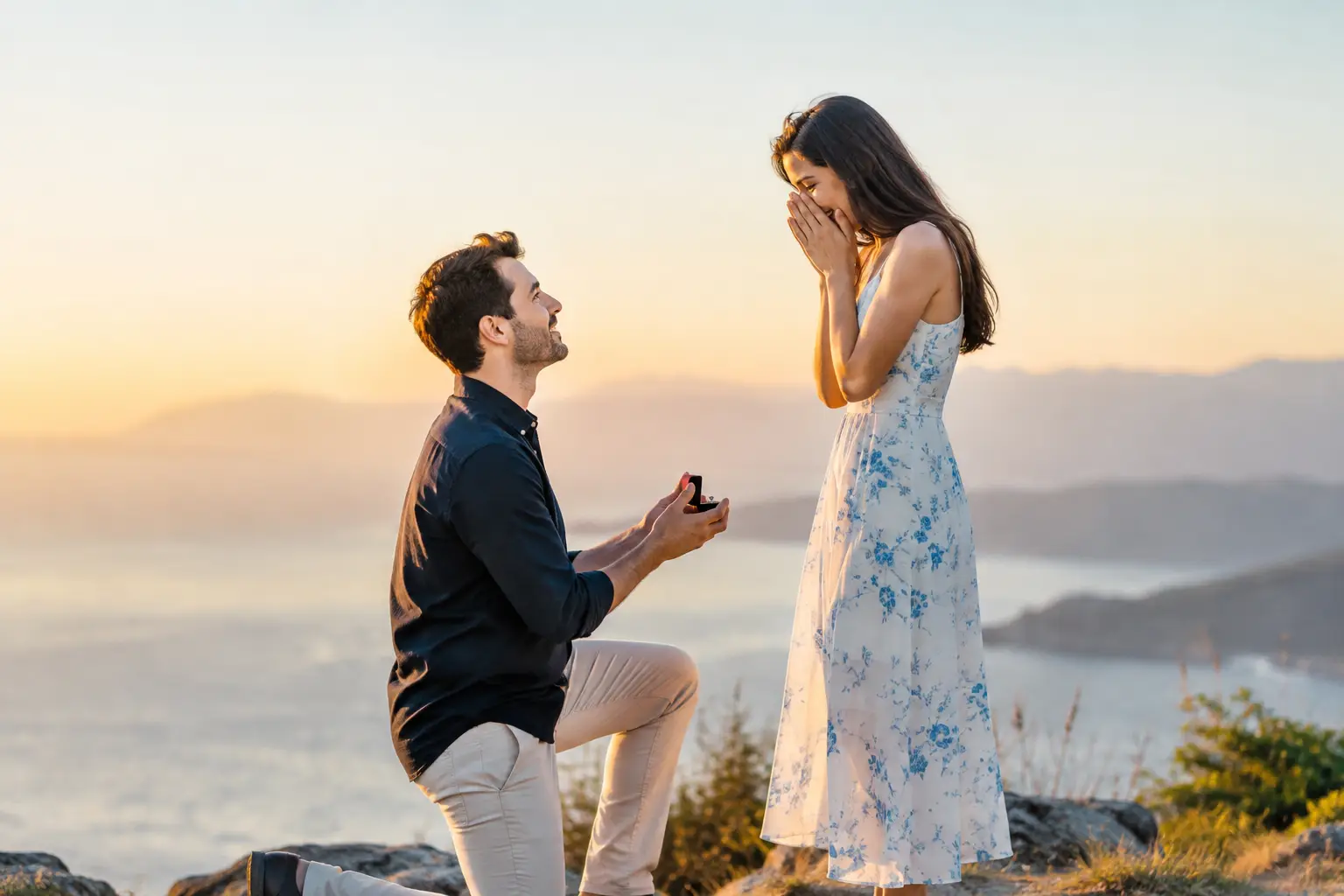

A sunset ceremony can feel like a dream until the sun drops behind the trees five minutes before your first kiss. A ballroom can glow with candlelight while still being too dark for clean, sharp images. These are the real moments where flash versus natural-light photography matters most. The right approach is not about choosing one style for an entire wedding day. It is about knowing how to protect the feeling of each moment, whatever the light decides to do.
For couples planning a wedding in New Jersey, New York, or Pennsylvania, lighting can change quickly. A bright outdoor ceremony, a cloudy waterfront portrait session, a historic church, and a dim reception venue may all happen in the same day. An experienced photography team prepares for every setting so your photographs remain natural, flattering, and full of life from the first look through the final dance.
What Natural Light Brings to Wedding Photography
Natural light comes from the sun, open shade, windows, doorways, and the soft ambient light already present in a setting. It is often the light couples picture when they imagine airy engagement portraits, golden-hour wedding photos, or quiet moments near a window while getting ready.
When it is used well, natural light creates a soft and romantic look. It can show the delicate detail in a veil, bring out the warmth of a fall wedding palette, and preserve the true atmosphere of an outdoor ceremony. Natural-light images often feel effortless because the photographer is working with the environment rather than visibly changing it.
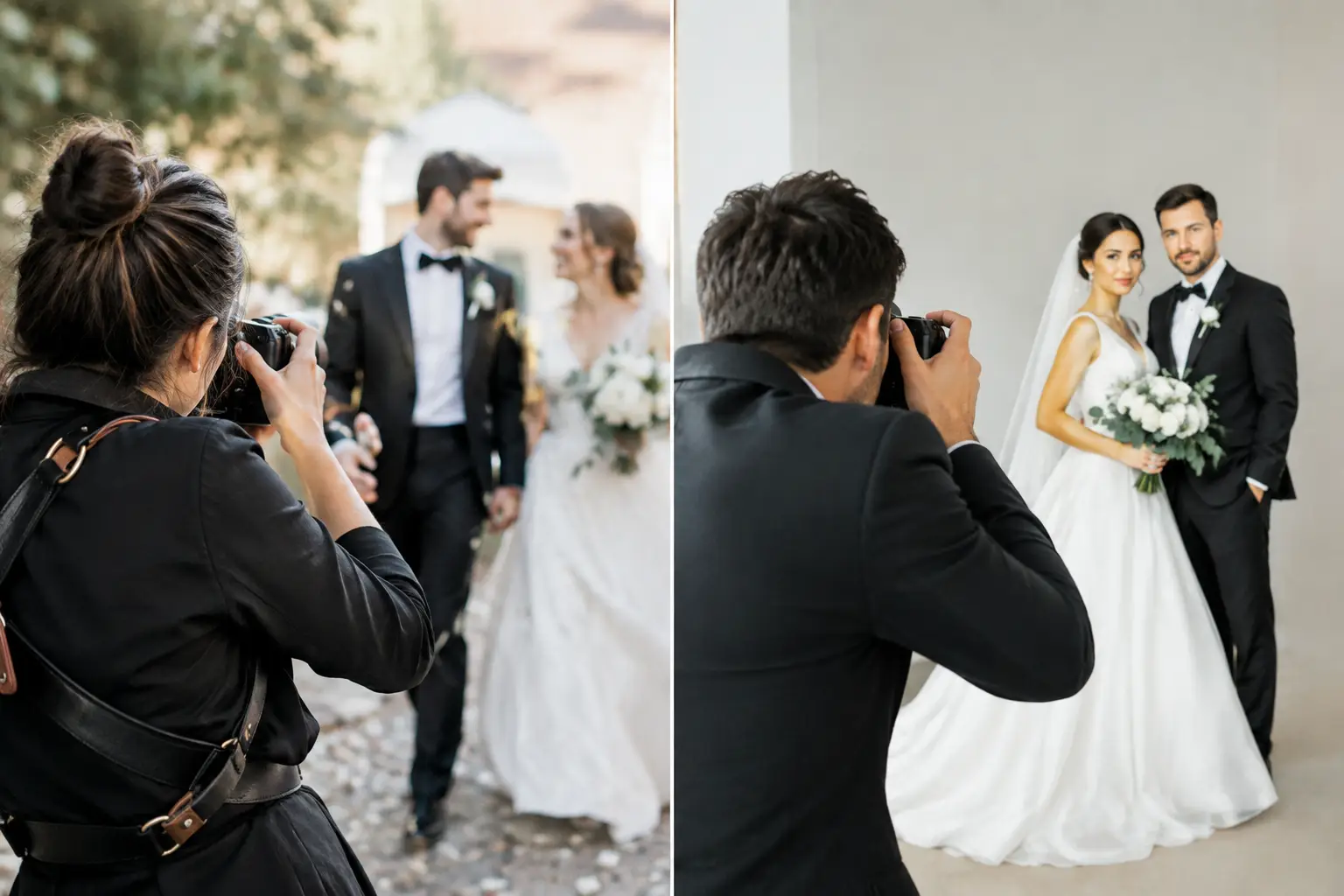
The best natural light is not always direct sunlight. Midday sun can create deep shadows under the eyes, squinting, and bright patches on a white dress. Professional photographers often look for open shade, a softly lit porch, the edge of a building, or a window that gives faces an even, flattering glow. On a bright wedding day, moving a portrait session only a few feet can make a remarkable difference.
When natural light is at its best
Natural light shines during outdoor first looks, garden ceremonies, engagement sessions, family portraits, and golden-hour couple portraits. It also works beautifully during bridal preparations when a hotel suite or home has large windows and uncluttered areas nearby.
There is a trade-off, though. Natural light is never fully under anyone’s control. Rain, heavy clouds, early sunsets, harsh summer sun, and a tight wedding timeline can all change the result. A skilled photographer can adapt, but relying on sunlight alone is risky when the memories cannot be repeated.
How Flash Protects the Moments You Cannot Recreate
Flash photography gives your photographer control when available light is limited or uneven. This does not mean every image will look bright, flat, or obviously flashed. Modern wedding flash techniques are designed to preserve the mood of the venue while keeping people well lit, sharp, and flattering.
At a reception, flash makes it possible to photograph your parents’ reactions during speeches, the movement of your first dance, and the joy on the dance floor without turning those moments into dark, grainy images. It can also balance a bright sunset behind you, light a nighttime exit, or rescue portraits in a dark church or reception hall.
Professional flash is frequently bounced off a ceiling or wall, softened with modifiers, or used off-camera to create dimension. The goal is not to erase the candlelight, uplighting, or warm ambiance you worked hard to create. The goal is to make sure you can see the people sharing that ambiance with you.
Flash does not have to look like flash
Many couples worry that flash will make their wedding photographs feel stiff or dated. That concern usually comes from images made with a small, direct flash pointed straight at a subject. Thoughtful event lighting is different. A photographer can use flash subtly, blend it with the room’s existing light, and create images that feel polished while still looking candid.
Flash is especially valuable for receptions with colored DJ lights. Without added light, skin tones may appear overly red, blue, green, or muddy. A carefully placed flash can keep faces natural while allowing the energy of the dance floor to remain visible in the background.
Flash Versus Natural-Light Photography Is Not an Either-Or Choice
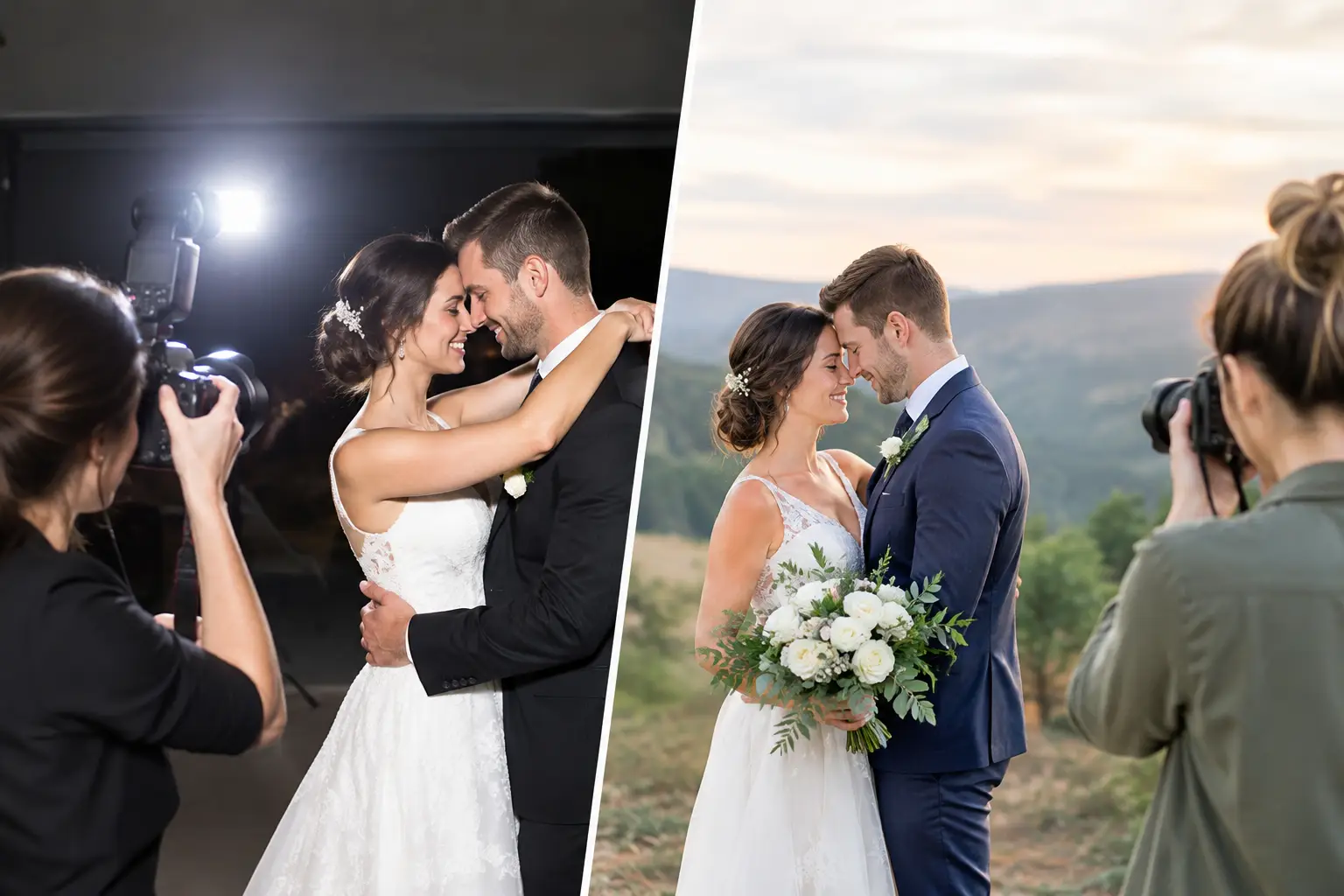
The strongest wedding galleries use both. Natural light tells the softer parts of the story: a parent fastening a dress, a couple sharing a private laugh before the ceremony, or grandparents gathered outside for a family portrait. Flash carries the story into the evening, when emotion becomes more spontaneous and the room comes alive.
Think of it as a progression through the day. Early coverage may lean on window light and outdoor shade. Ceremony photographs may use mostly natural light, with a subtle fill flash if the couple is backlit or faces are in shadow. Sunset portraits can use the last available daylight, then transition into flash as the sky darkens. By the reception, flash becomes a dependable tool for documenting every toast, hug, and dance without asking guests to pause or repeat a moment.
This balance is also essential for videography. Natural light can create beautiful cinematic scenes, but video requires enough light to show clean detail and true-to-life skin tones. A full-service photo and video team plans lighting with both still images and motion storytelling in mind, helping your final collection feel consistent from one part of the day to the next.
Questions to Ask Before Booking Your Photographer
You do not need to become a lighting expert before choosing a wedding photographer. You should, however, ask to see complete wedding galleries that include getting-ready photos, ceremonies, portraits, receptions, and nighttime images. A photographer’s ability is clearest when you can see how they handle a full day, not only a few beautiful images taken in perfect light.
Ask how they approach dark reception venues, rainy-day portrait plans, and nighttime exits. Ask whether they bring backup lighting and how they work in churches or venues with flash restrictions. Their answers should be clear, confident, and practical. Your wedding photographer should have a plan without making the experience feel overly technical or stressful.
It also helps to share your priorities. If you love soft, sunlit portraits, build time into the timeline for outdoor photos before sunset. If a lively dance floor is a must, let your team know you want vibrant reception coverage. If you are planning an intimate candlelit dinner, tell your photographer that preserving the atmosphere matters to you. Great service begins with listening, then creating a plan that fits your celebration.
Planning for Beautiful Light Without Stress
A few simple choices can make a meaningful difference. Schedule portraits with enough breathing room before the ceremony, especially if travel is involved. Consider the ceremony direction if you are marrying outdoors, since guests and the wedding party are more comfortable when they are not facing direct afternoon sun. For indoor preparations, choose the brightest, cleanest space available and keep window areas free of clutter when possible.
For receptions, ask your venue or DJ about ceiling height, wall colors, and planned lighting. Dark ceilings or black draping can limit bounce flash, but an experienced photographer can bring alternative lighting solutions. If your venue is filled with warm string lights and candles, that beauty can absolutely remain part of the images. The photographer simply needs the right tools and experience to balance it.
At Adorable Times Photography, our approach is built around dependable coverage for life’s most meaningful celebrations. We blend candid emotion, polished portraiture, and professional lighting techniques so couples and families can stay present rather than worrying about the forecast, the sunset, or a dark dance floor.
Your wedding light will change all day long, just like the emotions around you. Choose a photography team that knows when to let the sunlight speak and when to add the light that keeps every once-in-a-lifetime moment beautifully visible.