
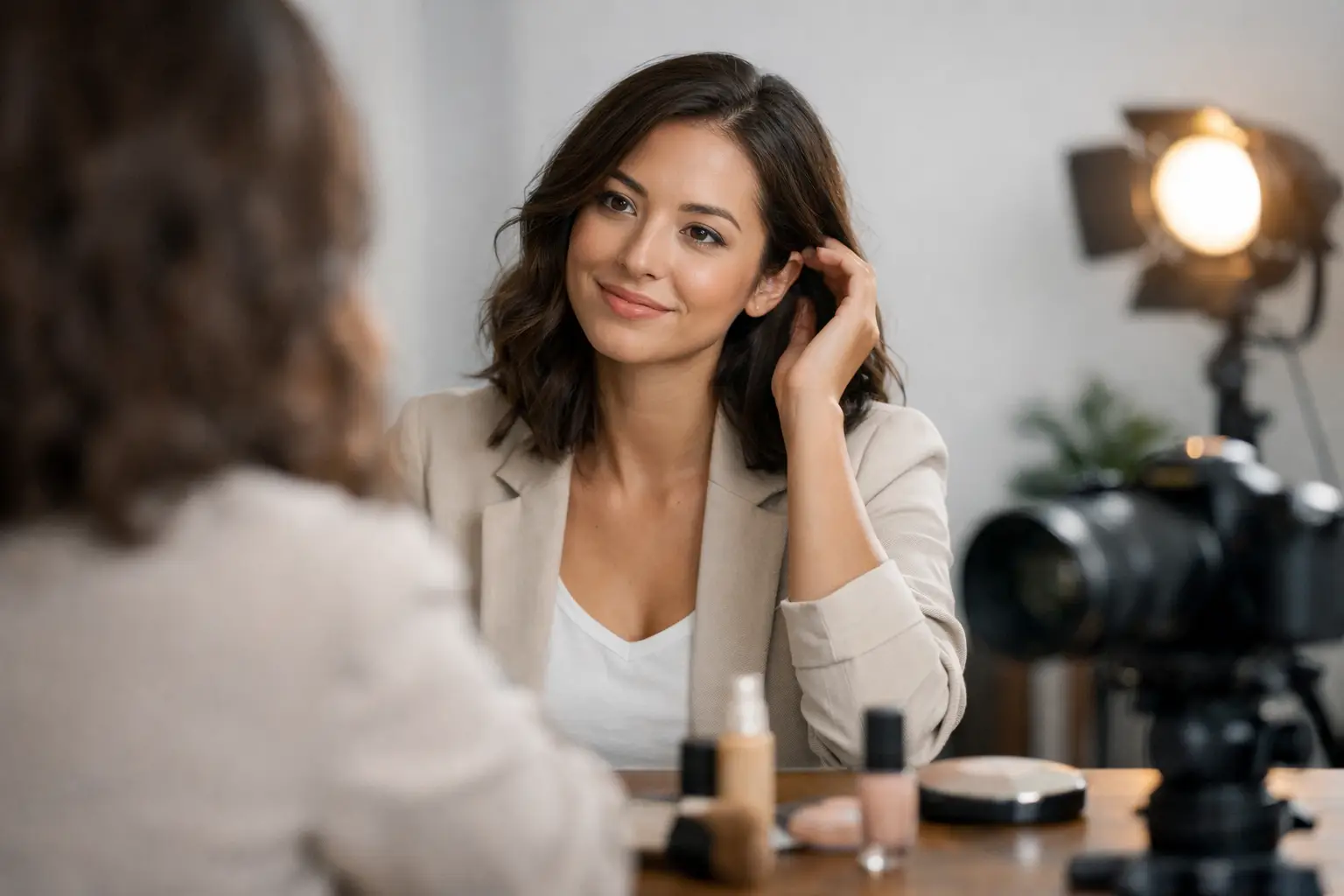
A great headshot is not just a nice photo. It is often the image people see before they meet you, hire you, or trust you with something important. That is why knowing how to prepare for headshots can make a real difference. The right preparation helps you look polished, feel comfortable, and walk away with images that feel natural instead of stiff.
For many people, the stress starts before the camera ever comes out. You wonder what to wear, whether to cut your hair, how much makeup is too much, or what expression looks confident without looking forced. The good news is that strong headshots are rarely about being photogenic. They are usually about showing up prepared.
How to prepare for headshots before the session
The most helpful place to start is with purpose. Ask yourself where this headshot will be used. A corporate profile, acting portfolio, dating profile, business website, and speaker bio all call for slightly different energy. The photo can still look like you, but the styling, expression, and framing may shift depending on what you want the image to communicate.
This step matters because preparation is not one-size-fits-all. A lawyer may want a clean, polished look that feels trustworthy and professional. A small business owner may want something warm and approachable. A creative professional may want more personality. When you know the goal, every other decision becomes easier.
Once you know the purpose, choose clothing that supports it without stealing attention. Headshots are about your face, so busy patterns, heavy logos, and trendy pieces can quickly date the photo or pull focus. Solid colors usually photograph best. Jewel tones, neutrals, and deeper shades often work well because they add shape and contrast without overwhelming the image.
Fit matters more than price. A simple top or blazer that fits well will usually look better on camera than an expensive outfit that feels awkward. If your clothes need constant adjusting, that discomfort tends to show in your expression and posture.
Pick outfits that match your brand
Bring one or two outfit options if your session allows it. That gives flexibility without overcomplicating the shoot. One more formal look and one slightly relaxed look can be a smart combination, especially if you plan to use your images across different platforms.
Necklines are worth considering. Crew necks, structured collars, and simple V-necks often frame the face nicely. Extremely low-cut tops, bulky scarves, or oversized layers can distract from the clean look most people want in a headshot. Jewelry should be simple unless a bold accessory is part of your personal brand.
If you wear glasses every day, wear them for at least some of the photos. They are part of how people recognize you. Just make sure the lenses are clean, and if glare tends to be an issue, mention it before the session so adjustments can be made.
Grooming matters more than dramatic changes
One of the biggest mistakes people make when figuring out how to prepare for headshots is changing too much right before the session. A brand-new haircut, different hair color, aggressive skin treatment, or unfamiliar makeup style can leave you feeling unlike yourself. Headshots should look polished, but they should still look honest.
If you need a haircut, schedule it a few days to a week in advance. That gives it time to settle naturally. Men who shave should think about whether they prefer a clean shave, light stubble, or a beard that is freshly trimmed. The best choice is usually the one that matches how you normally present yourself.
For makeup, natural and camera-ready is usually stronger than heavy and trendy. Even for a polished business headshot, skin should still look like skin. A little extra definition can help on camera, but too much product can read as distracting or flat. If you are doing your own makeup, focus on evening out skin tone, controlling shine, and adding soft definition to the eyes and brows.
Hydration and sleep also show up in photos more than people expect. You do not need a complete wellness reset, but drinking water and getting decent rest the night before can help your skin and expression look fresher.
Skin prep without overdoing it
Keep skincare simple in the days leading up to the shoot. Avoid trying a new facial, peel, or strong product right before your session. If your skin is sensitive, the safest approach is consistency. Moisturized skin photographs better than dry, irritated skin, and a calm routine is usually better than chasing a last-minute glow.
If you are worried about blemishes, do not panic. Minor retouching is common and easy. It is better to arrive relaxed than to over-treat your skin and create more redness.
Practice expression and posture ahead of time
A natural expression rarely appears by accident. It often comes from knowing what your face does when you feel relaxed. Spend a few minutes in the mirror or use your phone camera to test a few angles. You are not trying to become a model. You are simply learning what feels most like you.
Pay attention to posture. Sitting or standing tall helps your jawline, neck, and overall presence. Rolling your shoulders back slightly and lengthening through the spine can make a big difference without looking stiff. A tiny lean forward often feels more engaged and flattering than leaning back.
Your expression should fit the purpose of the image. Some headshots call for a full smile. Others work better with a softer, confident expression. The key is not forcing one look for every frame. A good session often includes subtle variations so you have options.
What to bring on the day of your headshot session
Bring the practical basics that help you stay polished. A brush or comb, oil blotting sheets or powder, lipstick if you wear it, and a lint roller can solve small problems quickly. If you are wearing multiple outfits, bring them on hangers so they stay neat.
Arrive a little early if possible. Rushing into a session tends to show in your body language. A few extra minutes to breathe, check your clothing, and settle in can completely change the tone of your photos.
It also helps to avoid overpacking. Too many choices can create stress. A focused plan almost always leads to a smoother session and stronger results.
How to prepare for headshots mentally
This part is often overlooked, but it matters just as much as wardrobe and grooming. If you go into the session telling yourself that you hate having your photo taken, your body will usually listen. Preparation is not about pretending to be someone else. It is about showing up ready to be seen at your best.
Try to think less about looking perfect and more about looking present. The strongest headshots usually feel approachable, confident, and real. People connect with warmth more than perfection.
If being photographed makes you nervous, say so. An experienced photographer expects that. Most clients are not professional models, and a good headshot session should include guidance on posing, chin position, body angle, and expression. You do not need to know how to do everything on your own.
Let your photographer help
Trust matters. When you work with an experienced team, the session becomes much easier because you are not left guessing. Direction on posture, lighting, and small adjustments can take a photo from average to memorable. At Adorable Times Photography, that client-first approach is part of what helps people relax and get images that feel both polished and genuine.
That said, communication goes both ways. If there is a side you prefer, an expression you want to avoid, or a specific use for the images, mention it. Clear expectations lead to better results.
A few details people forget
Steam or press your clothing the night before. Check your nails if your hands may appear in a few frames. Eat something light before the session so you are not distracted or low on energy. If you tend to squint outdoors, bring sunglasses for before the shoot so your eyes feel relaxed when it begins.
And do not underestimate timing. Morning sessions can be great if you like to get ready early and want fresh energy. Later sessions may be better if you need more time to settle into the day. The best time depends on your schedule, your comfort level, and the type of lighting your photographer is using.
A headshot is a small image with a big job. It introduces you before you speak, and it often stays in use longer than expected. Give yourself enough time to prepare well, choose details that feel true to you, and trust the process. When you do, the camera has a much better chance of capturing not just your face, but your presence.