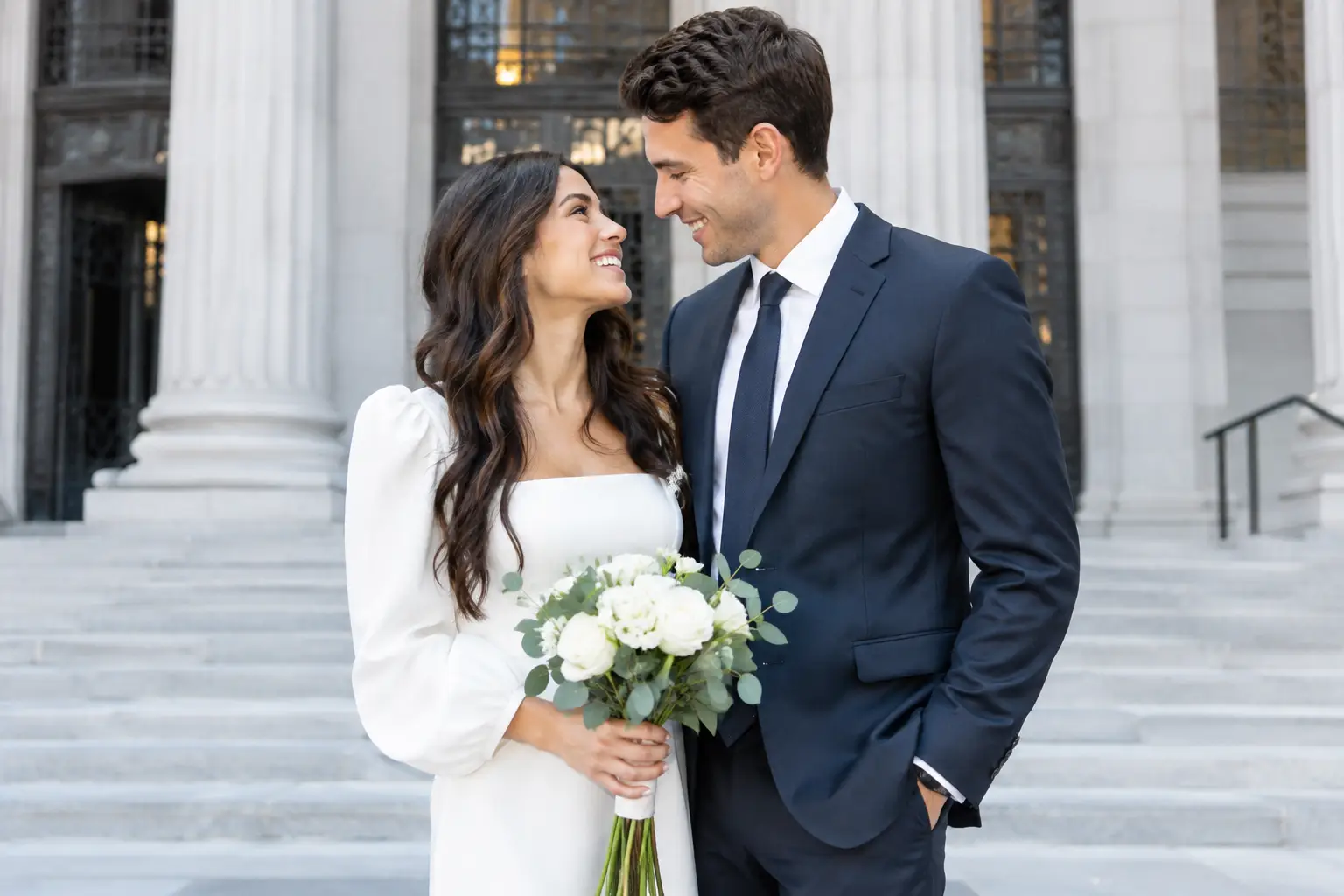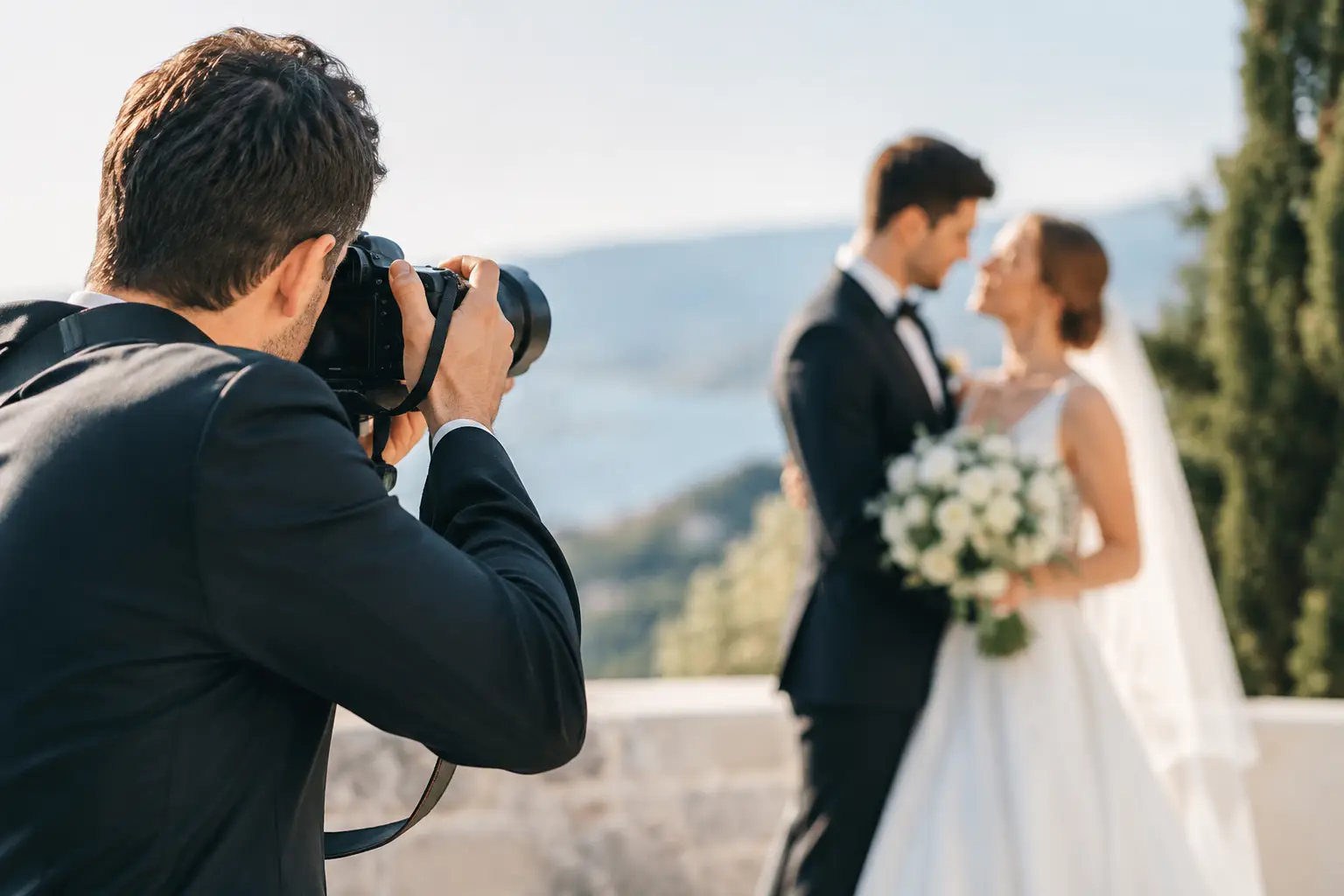

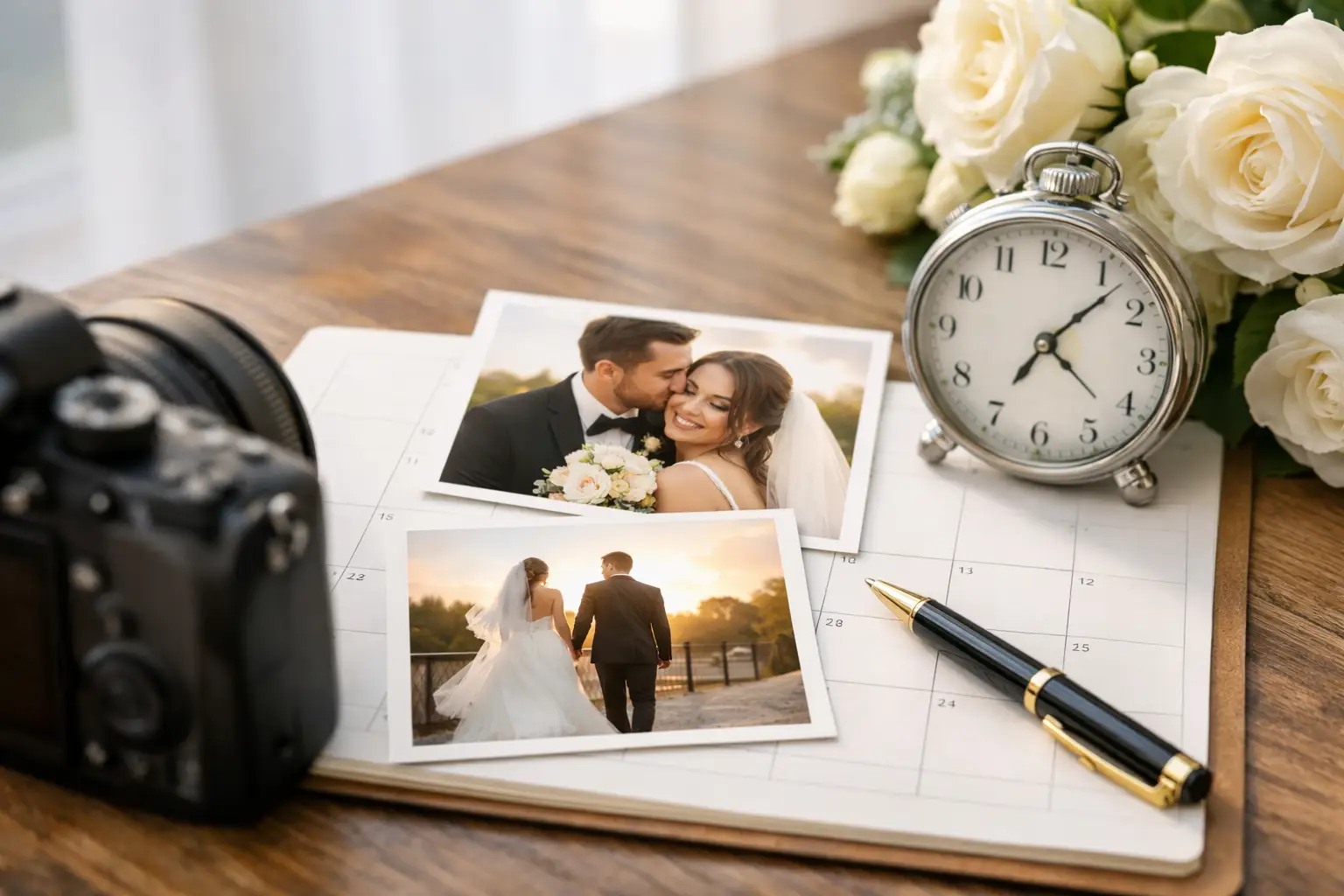
The fastest way to feel rushed on your wedding day is to leave photography timing until the last week. If you are wondering how to plan wedding photo timeline details without stress, the answer is simple – build your schedule around real moments, real travel time, and the kind of images you want to remember for the rest of your life.
A strong photo timeline does more than keep everyone on schedule. It protects the emotional parts of the day. It gives you room to breathe before the ceremony, space for family portraits without confusion, and enough daylight for the images that often become favorites for years to come. When the timeline is planned well, your wedding feels smoother, your photo team works more efficiently, and you are free to stay present.
Why your wedding photo timeline matters so much
Wedding photography is tied to almost every part of the day. Hair and makeup affect getting-ready photos. Travel affects portraits. Ceremony timing affects sunset photos. Family groupings affect cocktail hour. A delayed timeline in one area can create pressure everywhere else.
That is why experienced couples and planners treat photography as part of the structure of the day, not an extra detail added at the end. The best timelines are realistic, not packed. They leave space for movement, touch-ups, traffic, and those emotional pauses that cannot be staged.
If you want candid images, timeless portraits, and natural coverage of the in-between moments, your schedule has to allow for them. Beautiful wedding photos are not only about the camera. They are also about good timing.
How to plan wedding photo timeline from the ceremony backward
One of the easiest ways to build your schedule is to start with fixed events and work backward. Your ceremony time is usually the anchor. Once that is set, the rest of the photography timeline becomes easier to map out.
If your ceremony begins at 5:00 p.m., ask what has to happen before that. Will you do a first look? Are wedding party photos happening before the ceremony or after? How long does it take to get dressed, step into the gown, pin boutonnieres, and capture those quiet moments with parents or siblings? These are the questions that shape a realistic timeline.
For many couples, a first look creates the most breathing room. It allows portraits, wedding party photos, and sometimes even family formals to happen before the ceremony. That means you spend less time away from guests later. On the other hand, some couples want the traditional experience of seeing each other for the first time at the aisle. That choice is completely valid, but it usually means more photography must happen during cocktail hour.
There is no single perfect formula. The right timeline depends on your priorities.
Start with getting ready
Getting-ready coverage often takes longer than couples expect. Details such as the dress, shoes, rings, invitations, cuff links, bouquets, and personal items need time to be styled and photographed. Then there are candid moments with your wedding party, robe photos, final makeup touches, and the actual process of getting dressed.
In most cases, photography should begin at least 60 to 90 minutes before you are fully dressed. If both partners want separate getting-ready coverage in different locations, more time may be needed. If videography is included too, building in extra time helps both teams work without making the morning feel crowded.
Add buffer time where couples usually underestimate
There are a few parts of the day that nearly always take longer than planned. Hair and makeup often run behind. Family members can be hard to gather. Transportation may not arrive exactly on time. Moving between hotel rooms, venues, and portrait locations can eat up more minutes than expected.
A good rule is to build small cushions throughout the day instead of creating a timeline with no flexibility. Even 10 to 15 extra minutes in the right places can protect the rest of your schedule.
The key photo blocks to include
The easiest way to understand how to plan wedding photo timeline details is to think in blocks instead of random appointment times. Every wedding day includes a few major photography sections, and each one deserves enough space.
Getting-ready photos
Plan for detail shots, candid interactions, and dressing moments. If your morning is calm, these images tend to feel emotional and natural. If the room is crowded and rushed, the photos can feel more chaotic. A clean, well-lit space and a clear schedule make a big difference.
First look and couple portraits
If you are doing a first look, give it at least 20 to 30 minutes. This is not just for the reveal itself. You want a few quiet moments together afterward before moving into portraits. Couple portraits usually need another 20 to 40 minutes depending on the venue, your photo priorities, and whether you want multiple backdrops.
Wedding party photos
Wedding party portraits often take 20 to 30 minutes. A larger group, multiple combinations, or a big property can push that longer. If your party is energetic and cooperative, this part can move quickly. If people disappear for drinks or bathroom breaks, the timeline can slip fast.
Family formals
Family portraits are the part of the day that benefits most from planning ahead. A written list of groupings keeps things organized and avoids last-minute confusion. Most family formal sessions take 20 to 40 minutes, depending on how many combinations you want and how available everyone is immediately after the ceremony.
Ceremony coverage
Your ceremony length depends on your traditions, officiant, and venue. A short civil ceremony may last 15 minutes. A full religious service may last much longer. Your photo timeline should reflect the real expected length, not the shortest possible version.
Reception moments
Reception coverage includes entrances, first dance, parent dances, toasts, cake cutting, and open dancing. If you want sunset portraits during the reception, those need to be protected on the timeline too. They usually require only 10 to 15 minutes, but that short window can create some of the most flattering and romantic images of the day.
Timing advice that depends on your wedding style
A ballroom wedding in North Jersey runs differently than a backyard celebration in Pennsylvania or a city wedding in Manhattan. Venue type, travel logistics, and season all matter.
If your locations are spread out, travel time must be generous. Urban weddings need extra room for traffic, elevators, parking, and building access. Winter weddings may require earlier portraits because daylight disappears quickly. Summer weddings often allow more evening light, but heat can make outdoor portrait blocks harder if they are scheduled midday.
Cultural weddings or multi-event celebrations need even more care. If your day includes tea ceremonies, church services, outfit changes, or extended family traditions, photography should support those moments rather than rush through them. This is where experience really matters. A team that has worked weddings across New Jersey, New York, and Pennsylvania understands how different timelines behave in real venues with real families and real delays.
Common timeline mistakes to avoid
The biggest mistake is underestimating how long portraits take when everyone is being pulled in different directions. Another common issue is scheduling family photos without telling family members where to go and when. When nobody knows the plan, the couple ends up managing people instead of enjoying the day.
Some couples also try to pack in too many locations. More variety sounds appealing, but every additional stop costs time and energy. In many cases, fewer locations with more relaxed shooting time creates better images than racing through three different backdrops.
It is also worth thinking carefully about cocktail hour. If you skip a first look and save all portraits for after the ceremony, you may spend most of cocktail hour taking photos. That is not automatically a problem, but couples should make that choice knowingly.
A sample flow that works for many couples
A common and balanced wedding photo timeline might look like this: photography begins during the final stage of getting ready, followed by details and dressing moments. Then comes a first look, couple portraits, wedding party photos, and a portion of family formals before the ceremony. After the ceremony, remaining family photos happen quickly, followed by cocktail hour coverage, reception events, and a short set of sunset portraits if light allows.
If you are not doing a first look, the same day can still work beautifully. You simply need to protect more portrait time after the ceremony and keep expectations realistic about how much of cocktail hour will be available.
Work with your photographer, not around them
The strongest timelines are collaborative. Your photographer should know how long each part of the day actually takes, what lighting conditions matter most, and where delays are most likely to happen. That guidance is especially valuable for couples who want professional results without paying luxury-market prices for trial and error.
An experienced team like Adorable Times Photography can help shape a timeline that fits your venue, your traditions, and your budget while still preserving the heartfelt, candid, and polished images couples want most. That kind of planning support is not just convenient. It is part of protecting the memories you cannot recreate later.
When you build your timeline, think less about filling every minute and more about making room for the moments that matter. The best wedding photos happen when there is enough time to feel them while they are happening.