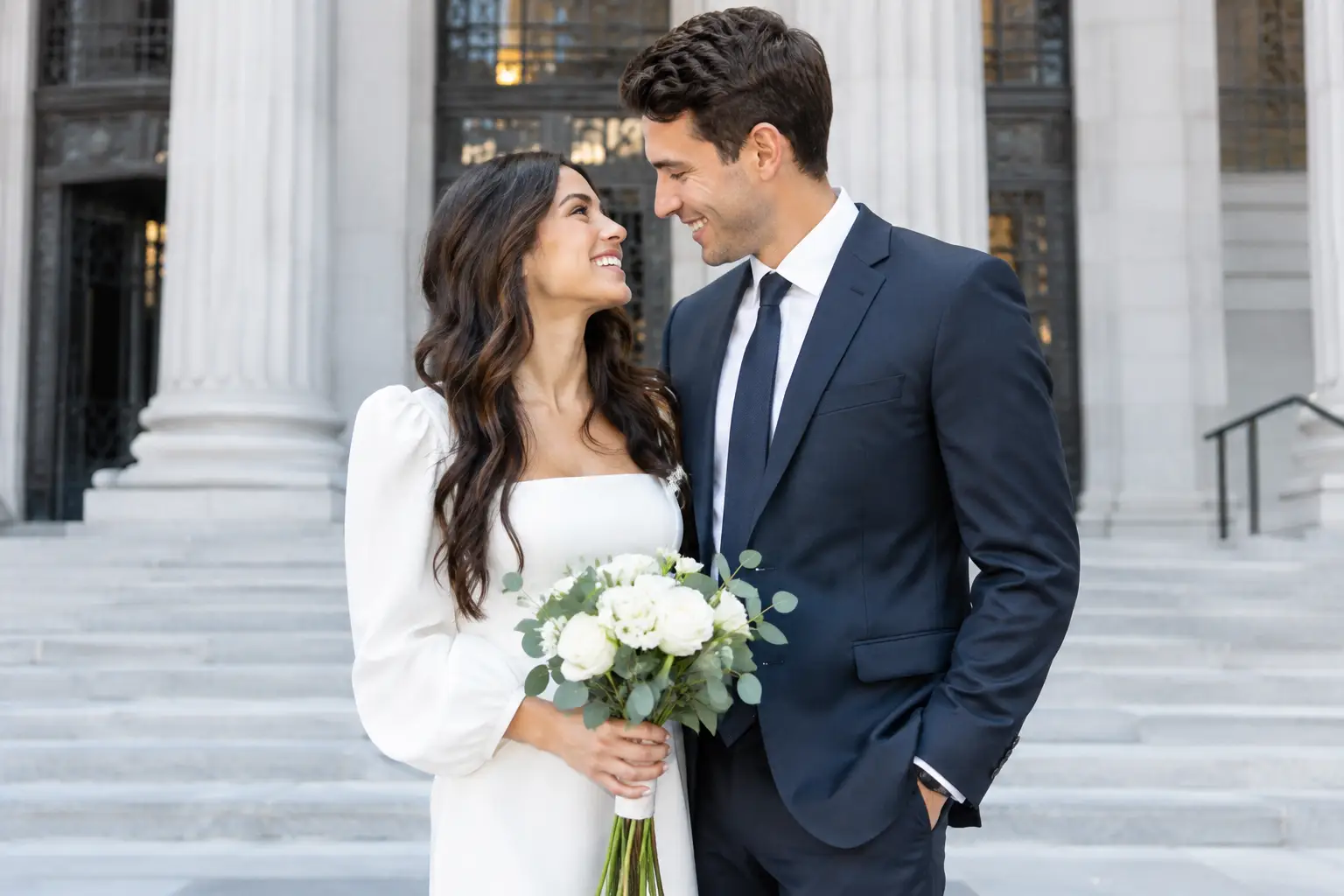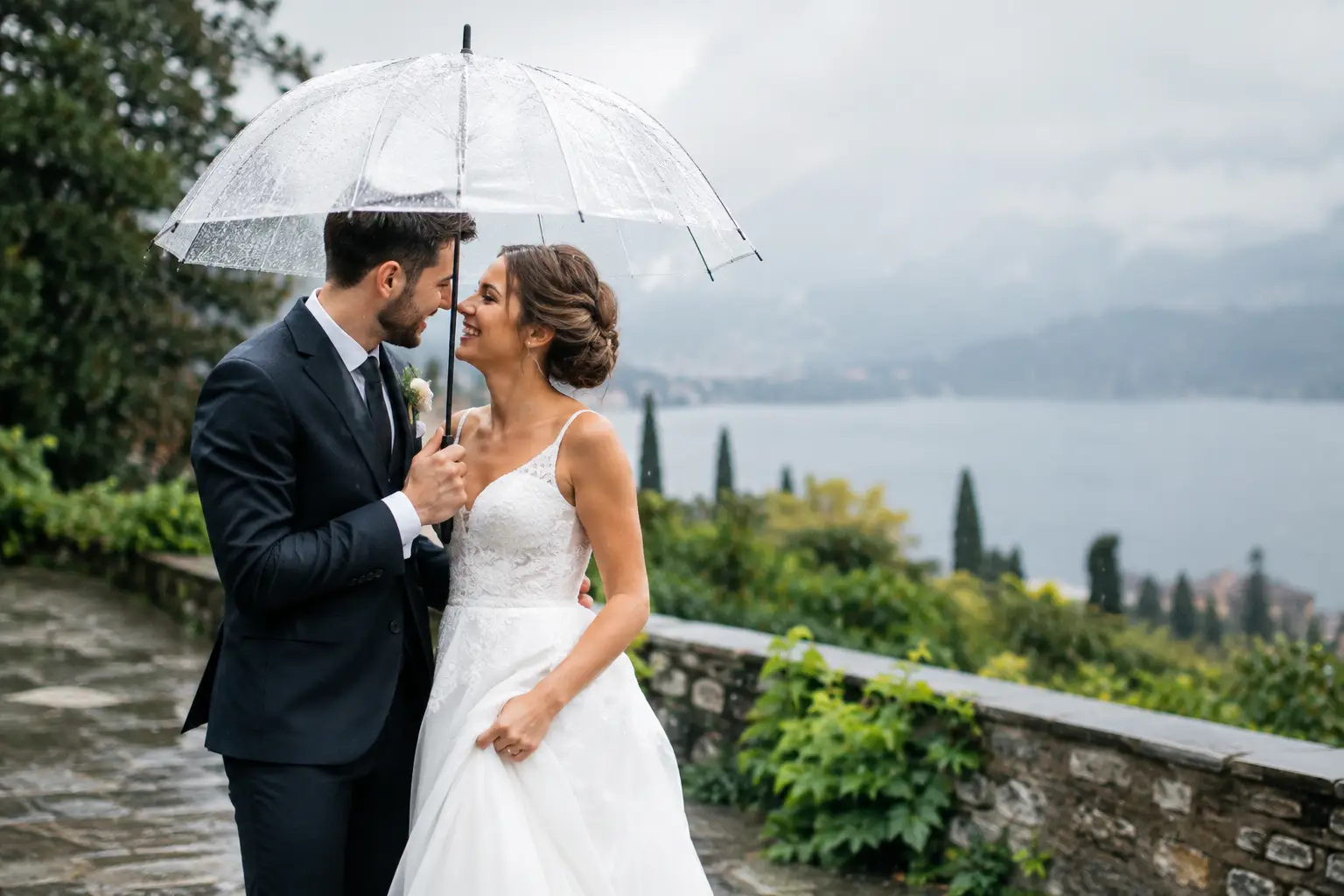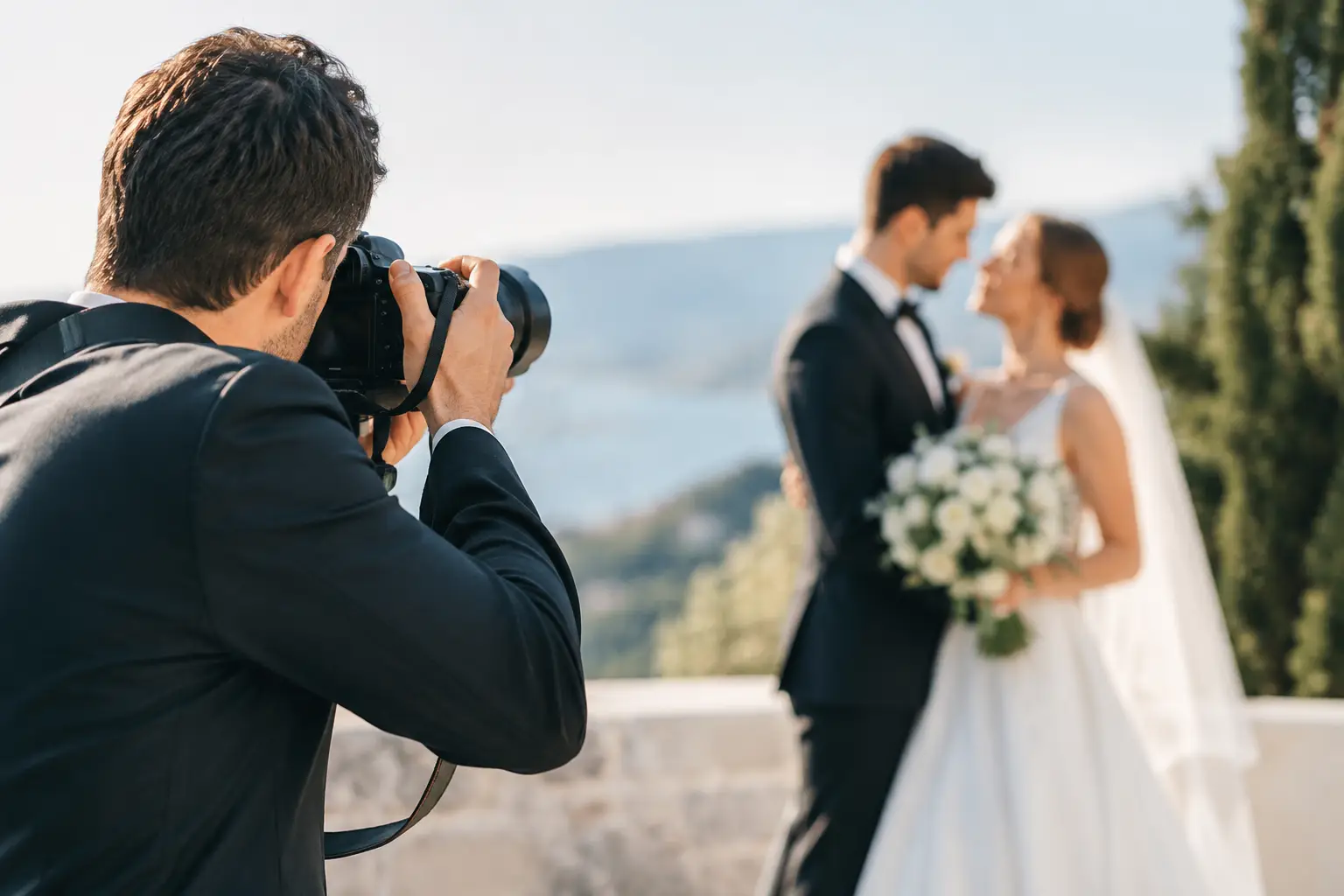


The best wedding days do not feel like a race from one obligation to the next. They feel present, emotional, and full of the small exchanges you will want to remember: a parent seeing you dressed, a quiet breath before the ceremony, laughter during portraits, and a packed dance floor at the end of the night. Learning how to organize a wedding timeline means protecting those moments while still keeping your celebration on schedule.
A thoughtful timeline is not about planning every second. It is about giving your vendors, wedding party, and family clear direction so you can focus on getting married. For couples planning in New Jersey, New York, or Pennsylvania, it should also account for real-world details such as traffic, venue access, seasonal daylight, and travel between a hotel, ceremony site, and reception.
Start Your Wedding Timeline With the Non-Negotiables
Begin with the parts of the day that cannot move easily. Your ceremony start time, reception end time, venue access, religious traditions, transportation reservations, and vendor coverage hours form the framework. Once those pieces are set, you can build the rest of the schedule around them.
Ask your venue when your vendors can arrive and when personal items must be removed. A ballroom may be available all afternoon, while a private estate or church may have tighter access rules. Confirm the ceremony length with your officiant as well. A civil ceremony may take 15 minutes, while a religious ceremony with readings, music, or cultural traditions can take much longer.
Then work backward from the ceremony. If guests arrive at 4:30 p.m. for a 5:00 p.m. ceremony, you should not be arriving for portraits at 4:15 p.m. Build in enough time to be dressed, photographed, and settled before guests begin to see you.
How to Organize Wedding Timeline Around Photos
Photography and videography work best when the day has breathing room. Beautiful images are not only made during formal portraits. They happen during the natural pauses: your wedding party helping with final touches, grandparents greeting one another, a spontaneous hug after the ceremony, or a private look between the two of you.
For most weddings, allow about 60 to 90 minutes for getting-ready coverage, depending on the size of your group and whether both partners are getting ready in separate locations. Detail photos of rings, invitation suites, attire, flowers, and meaningful heirlooms also take time. Gather those items in one place before your photographer arrives so no one is searching for shoes or jewelry at the last minute.
A first look can make the schedule more flexible. By seeing each other before the ceremony, you can often complete couple portraits, wedding party photos, and many family portraits earlier in the day. That gives you more time to enjoy cocktail hour with your guests. It is a practical choice, especially for winter weddings when daylight disappears early or when your reception venue is some distance from the ceremony.
However, a first look is personal, not mandatory. Some couples want the ceremony reveal to be their first moment together, and that can be deeply meaningful. If you choose that route, plan a longer cocktail hour or accept that you may miss part of it while completing portraits. Neither choice is wrong. The right choice is the one that feels true to you.
Plan family portraits before emotions and guests scatter
Family photos move quickly when there is a prepared list and one trusted helper who knows everyone by name. Keep the list focused on the combinations that matter most. A long list of distant relatives can turn 20 minutes into an hour and leave everyone feeling rushed.
Share the list with your photography team before the wedding, then ask a sibling, cousin, or close friend to gather relatives. This is particularly helpful after the ceremony, when guests are eager to head to cocktail hour. With names, groupings, and a helper in place, formal portraits can stay organized without feeling stiff.
Give Every Transition More Time Than You Think
Most timeline stress comes from transitions, not major events. Getting into a gown takes longer than expected. A limo waits in traffic. Someone needs a boutonniere pinned. Guests take a few extra minutes to find their seats. These details are normal, which is why a dependable timeline includes buffers.
Add 10 to 15 minutes around transportation, wardrobe changes, and movement between locations. If you are traveling from a hotel in North Jersey to a ceremony in Manhattan, or moving between locations in Philadelphia, leave even more room. Weekend traffic, parking, elevators, and loading zones can change a simple drive into a complicated one.
Do not schedule the first dance at the exact minute dinner ends. Caterers may need extra time to serve a large guest count, and guests may be enjoying conversations or finishing a course. Leave a little flexibility between reception events so the evening keeps its natural energy.
Build a Reception That Feels Like a Celebration
Once the ceremony and portraits are complete, your reception timeline should balance traditions with time for your guests to simply celebrate. A typical flow includes cocktail hour, introductions, first dance, welcome toast, dinner, speeches, parent dances, cake cutting, and open dancing. The order can change based on your priorities.
If dancing is a major part of your night, avoid stacking every formal event at the end. Spread them out so the dance floor does not stop and start all evening. If you want sunset portraits, tell your DJ, planner, and photography team in advance. A quick 10-minute break near golden hour can create some of the most romantic portraits of the day without pulling you away for long.
Consider the experience you want for yourselves, too. Many couples choose a private sweetheart table, while others prefer a lively head table with their wedding party. Some schedule a private last dance before guests return for a send-off. These are not just timeline choices. They shape the memories you will carry long after the music ends.
Share One Clear Version With Your Vendor Team
Your wedding timeline should be detailed enough for vendors and simple enough for your wedding party to follow. Create a final version about two weeks before the wedding after confirming details with your venue, planner, photographer, videographer, DJ, florist, transportation provider, and caterer.
Include addresses, contact names, arrival times, key photo moments, family portrait groups, reception events, and any special traditions. Your photography and videography team should know if you are planning a first look, letter exchange, cultural ceremony, surprise performance, sparkler exit, or any sentimental moment that deserves special attention.
At Adorable Times Photography, our experienced photo and video team helps couples think through timing with the goal of preserving both the polished portraits and the candid emotion in between. The strongest coverage comes from a schedule that respects the pace of a live celebration rather than forcing every meaningful moment into a narrow window.
A Sample Wedding Day Timeline
For a 5:00 p.m. ceremony with a first look, a comfortable schedule might begin with photography arriving around 1:00 p.m. for details and getting-ready moments. The first look could happen around 2:30 p.m., followed by couple portraits, wedding party photos, and immediate family portraits before guests arrive. After the 5:00 p.m. ceremony, you can enjoy a short just-married portrait session, then join cocktail hour or head directly into reception introductions.
Without a first look, start getting ready earlier and reserve approximately 60 to 90 minutes after the ceremony for family, wedding party, and couple portraits. Extend cocktail hour if possible, especially if your venue has attractive indoor and outdoor spaces for guests to enjoy.
Use these examples as a starting point, not a rulebook. A smaller wedding, a single venue, or a short ceremony may need less time. A large wedding party, multiple locations, or a late-fall wedding may need more.
Your timeline should create confidence, not pressure. Leave room to look around the room, hold hands, thank the people who showed up for you, and let the day unfold. Those unhurried seconds are often where the most treasured wedding photographs and films begin.