
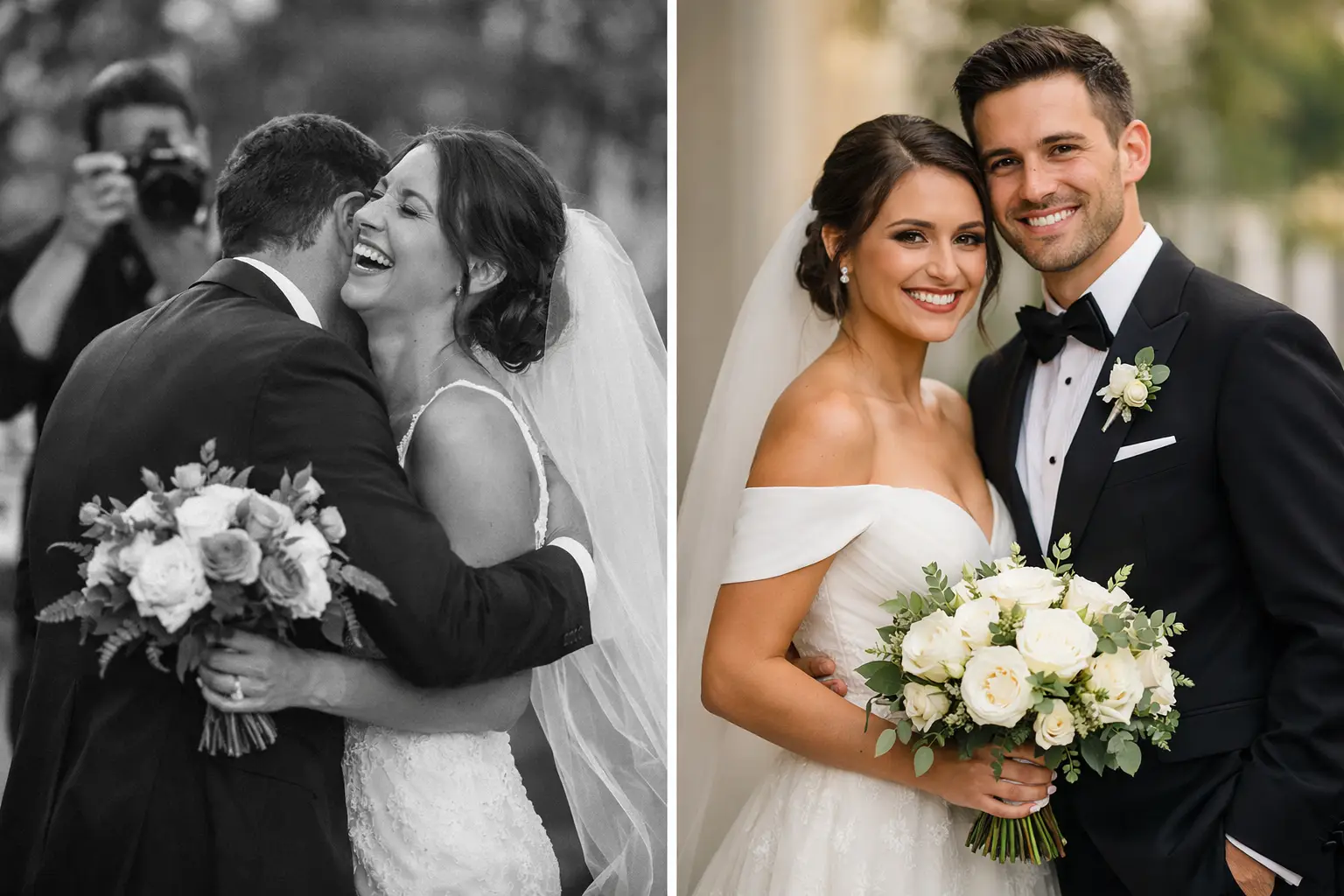
The first look lasts seconds. Your grandparents’ embrace may last even less. Yet the formal portrait of everyone who traveled to celebrate you can become the image framed in your home for decades. That is why photojournalistic versus posed wedding portraits is not a choice between good photography and bad photography. It is a decision about how you want to remember the feeling, the people, and the beautiful details of your wedding day.
For couples planning weddings in New Jersey, New York, or Pennsylvania, the best answer is often a thoughtful blend. Candid images preserve the unscripted joy that cannot be recreated. Guided portraits make sure the people you love most are photographed clearly, confidently, and beautifully. Knowing what each approach brings to your wedding album makes planning easier and helps your photography team deliver images that feel true to you.
What Photojournalistic Wedding Photography Captures
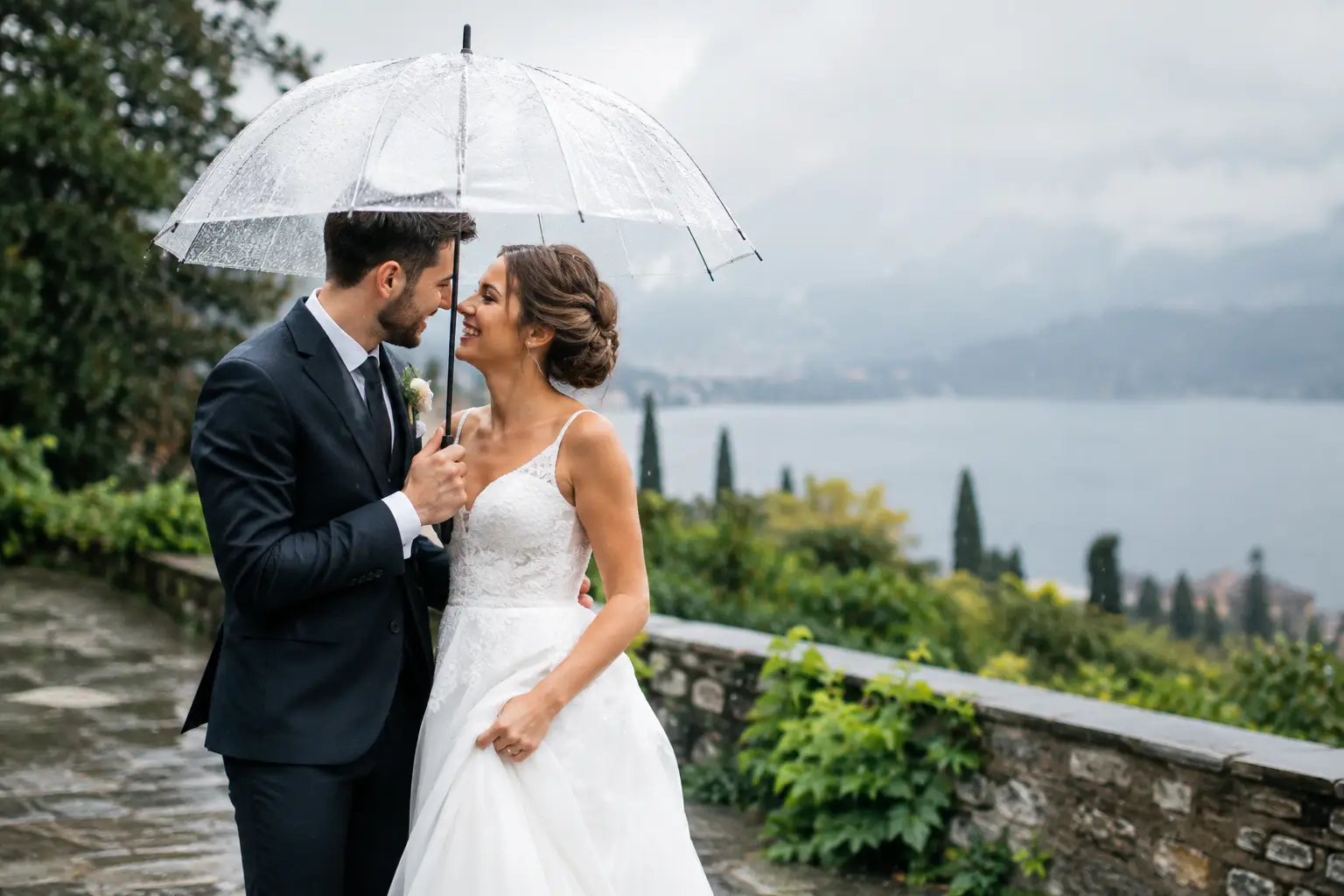
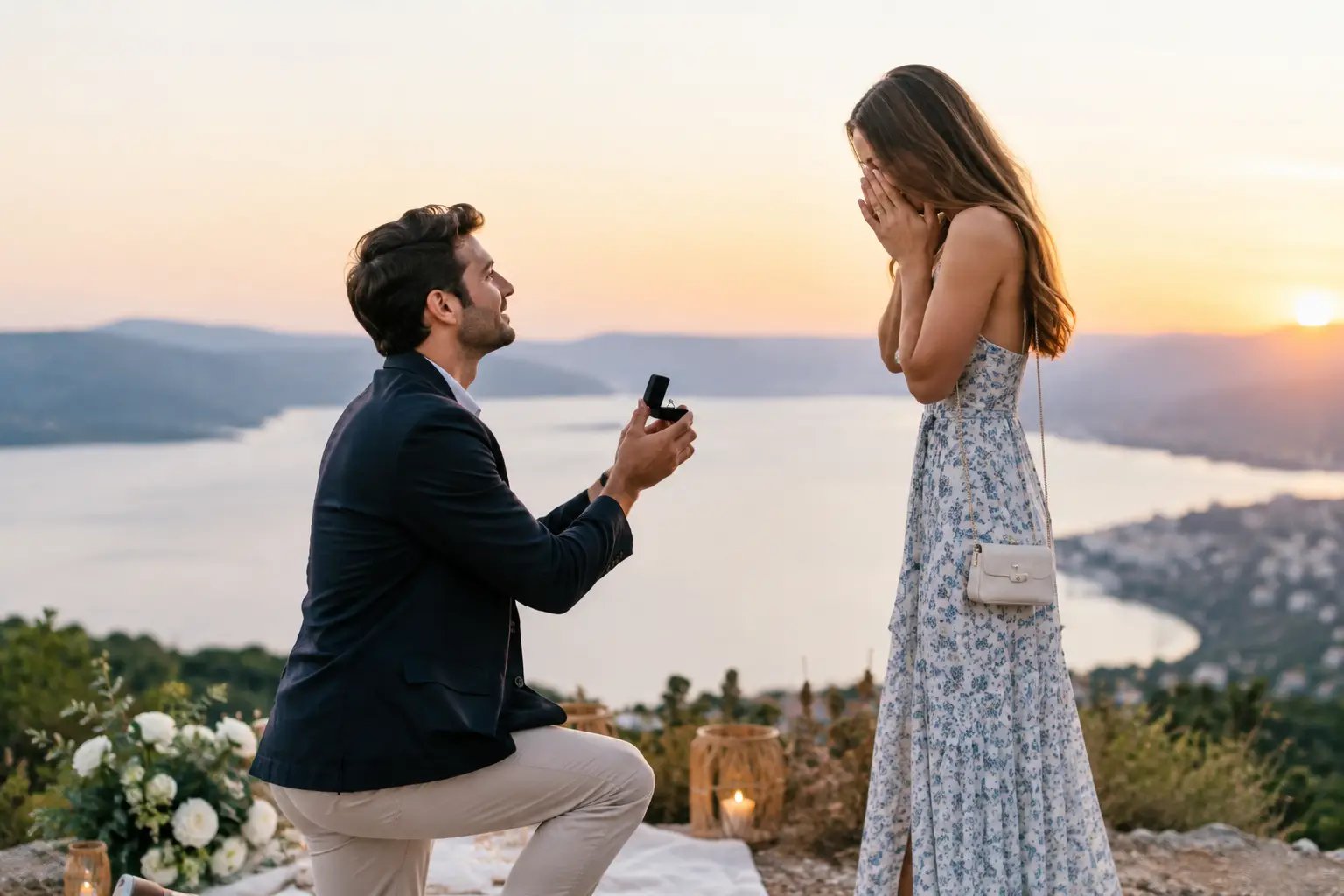
Photojournalistic wedding photography is centered on real moments as they happen. Rather than asking you to repeat a laugh, recreate a hug, or look toward the camera, the photographer watches closely and anticipates emotion. A parent adjusting a veil, friends reacting to the first dance, a child falling asleep during the reception, and the quiet breath you take before walking down the aisle all become part of the story.
This style is especially powerful during the parts of the day that move quickly. Getting ready, ceremony entrances, cocktail hour, speeches, and dancing are full of natural interaction. The strongest candid images feel alive because they preserve expressions and connections exactly as they happened.
There is also a practical benefit. Couples who feel nervous in front of the camera often relax once they realize they do not need to perform every minute of the day. You can be present with your partner and guests while your photographer documents the laughter, happy tears, and energy around you.
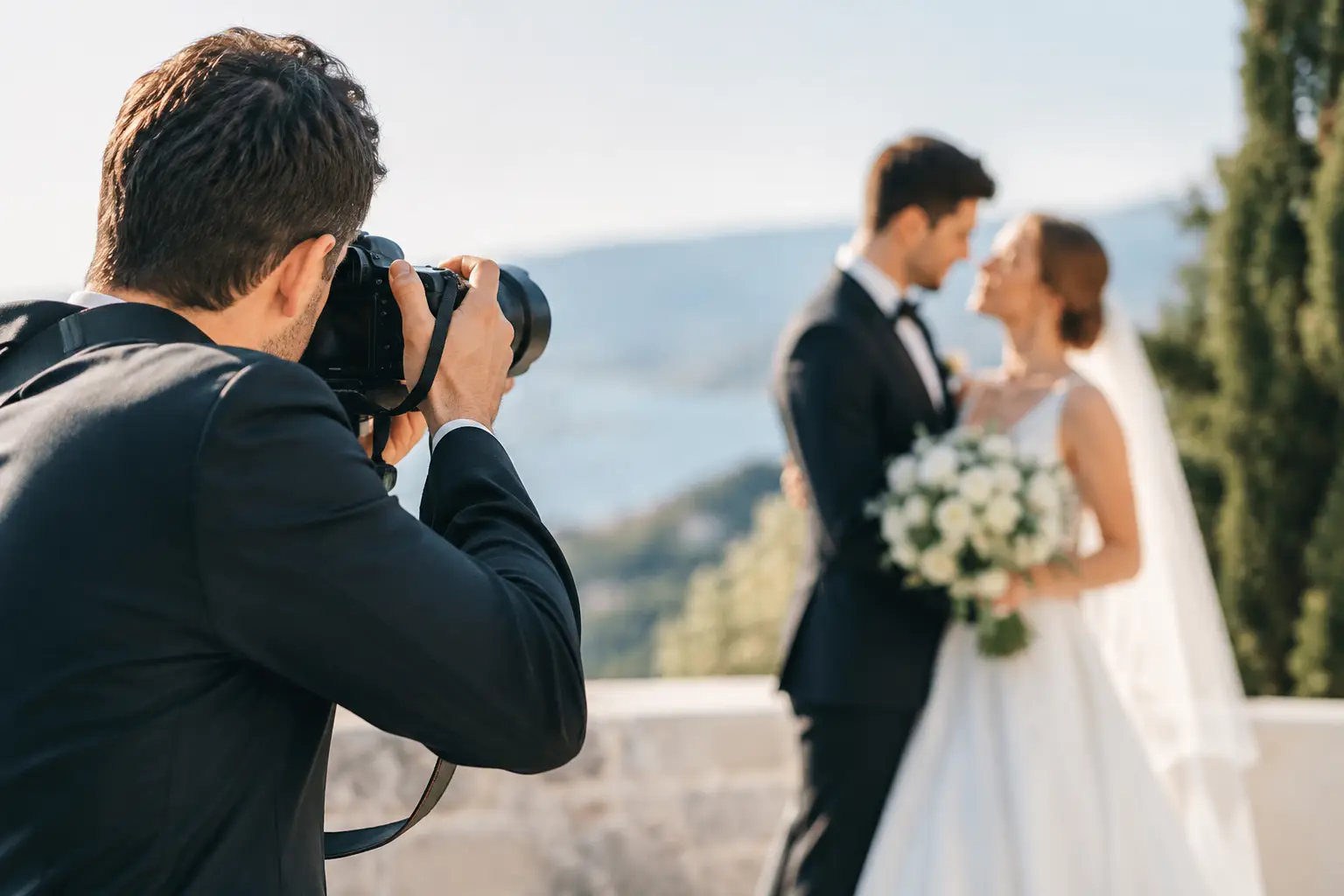
Still, photojournalism does not mean the photographer is passive. Experienced wedding photographers pay attention to light, background, timing, and composition. They position themselves carefully, recognize meaningful moments before they unfold, and work discreetly without missing the action. Great candid photography is intentional, even when the moment itself is spontaneous.
The Value of Posed Wedding Portraits
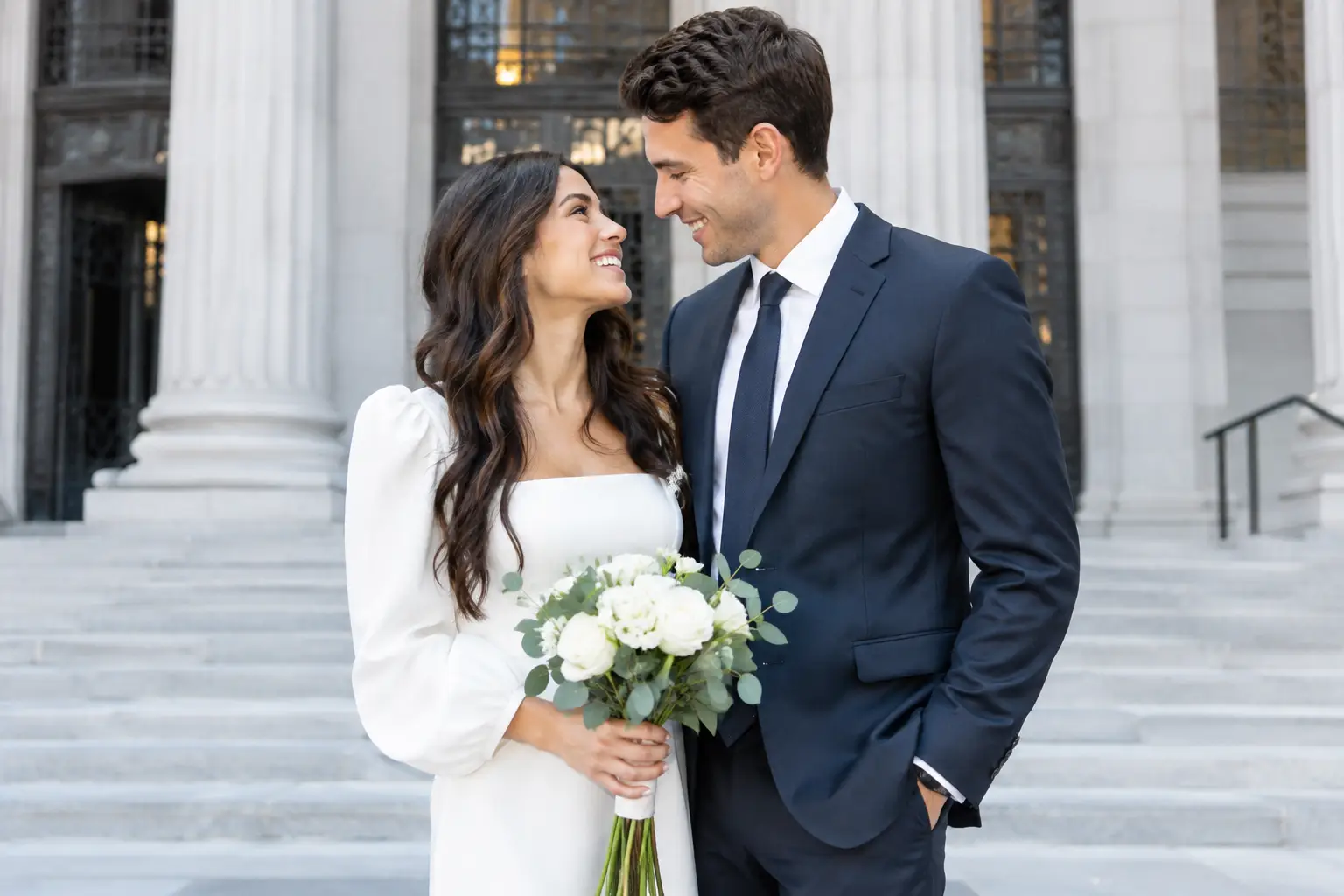
Posed portraits are planned images with gentle direction from your photographer. They include family formals, wedding party photographs, couple portraits, and classic images that show your attire, venue, flowers, and the people closest to you. “Posed” does not have to mean stiff or overly formal. With the right direction, portraits can feel natural, flattering, and full of personality.
A guided portrait session gives you something candid coverage cannot always guarantee: everyone looking their best at the same time. If a family member is important enough to invite to your wedding, a clear, well-lit photograph with them is often worth setting aside a few minutes. These images become especially meaningful as years pass and families grow or change.
Portraits also create breathing room. After the ceremony, many couples appreciate stepping away from the crowd for a short session together. It can be one of the few calm moments of the day, giving you time to take in the fact that you are married while creating elegant images you will treasure.
The key is not to schedule portraits so heavily that they take over the celebration. An experienced team can organize family groupings efficiently, offer simple prompts instead of rigid poses, and keep the session moving so you can return to your guests.
Photojournalistic Versus Posed Wedding Portraits: The Real Difference
The difference is less about whether a photograph is beautiful and more about what it is designed to preserve. Photojournalistic images prioritize authenticity in motion. Posed portraits prioritize clarity, connection, and a polished final result.
A candid photograph of your father seeing you in wedding attire for the first time may be emotional because it captures an unrehearsed reaction. A posed portrait of the two of you later in the day may be just as meaningful because it shows both of you together, relaxed, and looking directly at the camera. One records a fleeting feeling. The other becomes a lasting family heirloom.
Couples sometimes worry that choosing posed portraits means sacrificing a modern, natural look. That does not have to be the case. Modern portrait direction often involves small adjustments and easy prompts: walk together, lean in close, tell each other what you are most excited about, or look at one another instead of the lens. The result can feel romantic and effortless while still benefiting from professional composition and flattering light.
On the other hand, relying only on candid coverage can leave gaps. A photographer may capture wonderful interactions with your family, but it can be difficult to guarantee a complete image of every important relative without a brief formal portrait plan. This is why a balanced approach works so well for many weddings.
How to Choose the Right Mix for Your Day
Start with the way you want to experience your wedding. If you want to spend as much time as possible mingling, dancing, and enjoying your guests, lean toward photojournalistic coverage during the reception and cocktail hour. If you have a large extended family, heirloom jewelry, a meaningful venue, or a wedding party that matters deeply to you, make room for guided portraits.
Your timeline matters as much as your visual preference. A first look before the ceremony can create more time for couple and wedding party portraits, allowing you to attend more of cocktail hour. If you prefer to wait until the aisle to see each other, reserve time after the ceremony and be realistic about sunset, travel between locations, and family availability.
Think about your venue, too. A ballroom, waterfront estate, city rooftop, garden, or church each offers different opportunities for portraits and candid storytelling. A skilled photographer will use the best available light and locations without turning your wedding day into an all-day photo session.
It helps to identify your non-negotiables before the wedding. You may want a formal portrait with each set of parents, a full wedding party image, a quiet sunset portrait, candid dance-floor photos, and natural moments with out-of-town guests. Sharing these priorities early gives your photography team a clear plan while leaving space for the unexpected moments that make a wedding personal.
Build a Portrait Plan Without Losing the Moment
The easiest way to avoid rushed family photos is preparation. Create a short list of essential groupings and assign a reliable relative or friend who knows everyone to help gather people. Keep the list focused. Ten meaningful groupings photographed efficiently are often better than thirty combinations that leave everyone tired and waiting.
For couple portraits, consider quality over length. Even 20 to 30 well-planned minutes can produce a beautiful variety of images when the photographer knows your priorities. A few minutes near a window while getting ready, a private first look, portraits after the ceremony, and a quick sunset walk can create a complete collection without pulling you away from the celebration for too long.
Tell your photographer how much direction you prefer. Some couples love clear guidance on hand placement, posture, and where to look. Others want only light prompts and plenty of movement. There is no wrong preference. Honest communication helps create portraits that look like you, not a version of you trying to imitate someone else’s wedding gallery.
A Wedding Collection Should Feel Complete
The wedding images couples return to most are rarely all one type. They include the composed portrait with parents, the laughter between friends before the ceremony, the carefully photographed details, the emotional ceremony reaction, and the unplanned dance-floor moment nobody saw coming.
At Adorable Times Photography, our approach is built around that complete story: dependable organization for the portraits you need and attentive, candid coverage for the memories you cannot schedule. Decades of wedding experience have taught us that couples deserve both professional guidance and the freedom to enjoy their day.
When you look back years from now, you should be able to see the people who stood beside you and feel the happiness that filled the room. Plan for the portraits that matter, then leave room for the moments that will surprise you.