
You may fall in love with a wedding film after watching a 4-minute highlight reel online, then realize you are not actually sure what is included in wedding videography when it is time to book your own package. That gap matters. Two videography packages can look similar on price, but the coverage, editing, and final deliverables can be very different.
For couples planning a wedding in New Jersey, New York, or Pennsylvania, the smartest question is not just “How much does wedding videography cost?” It is “What exactly am I receiving for that investment?” A good videography package should preserve the emotion, movement, and sound of your day in a way that still feels meaningful years from now, not just provide a camera operator who shows up for a few hours.
What is included in wedding videography packages?
Most wedding videography packages include a set number of coverage hours, professional filming throughout key parts of the day, editing, and one or more final video products. In many cases, that means your videographer captures getting ready, the ceremony, major reception moments, and candid footage in between. After the wedding, the footage is edited into a finished film that tells the story of the day.
That said, every package is built a little differently. Some focus on a short cinematic highlight. Others include a longer documentary-style edit with full ceremony and speeches. Some include one videographer, while others include a full team with multiple cameras. When couples compare packages, these details make the biggest difference in both price and value.
Coverage hours and timeline support
One of the first things included in wedding videography is time. That may sound obvious, but coverage hours shape everything else. A shorter package might cover only the ceremony and key reception events. A longer package may start with hair and makeup and continue through open dancing or the grand exit.
If you want the full emotional arc of the day, preparation footage often matters more than couples expect. The quiet moments before the ceremony, a parent helping with final touches, the exchange of gifts or letters, and the nervous excitement before seeing each other all add depth to the final film. Without enough coverage hours, those moments may be missed.
Timeline guidance is often part of professional service as well. An experienced team does more than arrive and record. They help identify how much time is needed for first looks, portraits, travel between locations, and major events so your film feels complete rather than rushed.
Getting ready, ceremony, and reception footage
Most couples want coverage of the core parts of the wedding day. This typically includes the getting-ready process, ceremony details, guest arrivals, vows, ring exchange, first kiss, cocktail hour, entrances, first dance, parent dances, toasts, cake cutting, and open dance floor moments.
Not every package covers all of those scenes automatically. Some lower-priced options focus on the most essential moments only. If the package is limited to fewer hours, your videographer may ask you to prioritize what matters most. That is why it helps to think beyond the ceremony itself. Your wedding film often feels richer when it includes the anticipation before the aisle and the celebration after.
Audio recording is a major part of the final film
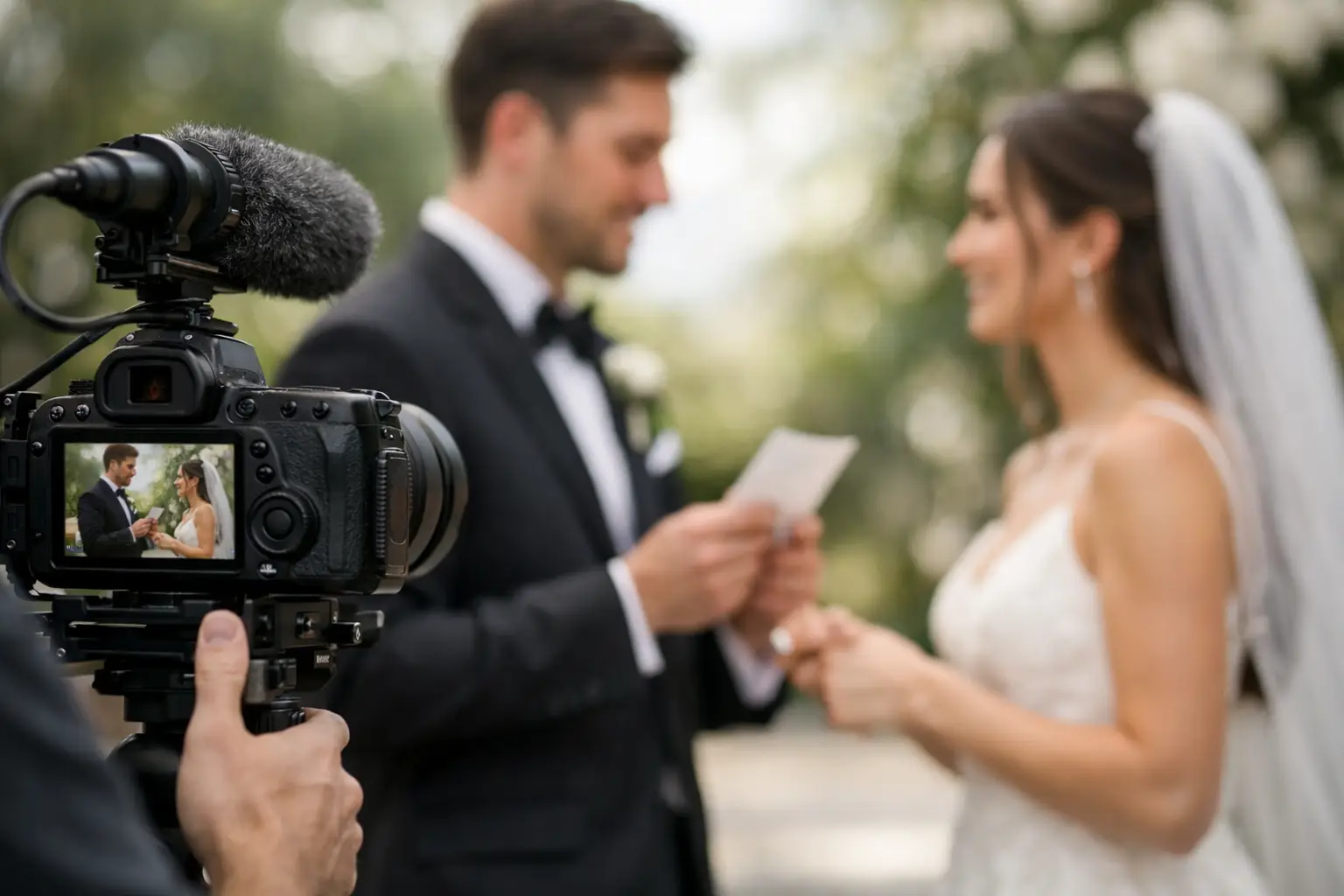
Beautiful visuals matter, but clear audio is what turns a nice video into an emotional wedding film. Professional wedding videography usually includes recorded sound from important parts of the day, especially vows, officiant remarks, and speeches. This may involve lavalier microphones, audio recorders connected to the DJ system, or backup recording methods.
If you have ever watched a wedding video where the music was nice but you could not hear the couple speak, you already know the problem. Strong audio lets you relive the actual voices, reactions, laughter, and words that made the day personal. For many couples, hearing a parent give a toast or listening back to private vows becomes one of the most treasured parts of the film.
This is also where experience counts. Live events move fast, rooms can be noisy, and equipment needs backups. A dependable videography team plans for those variables rather than hoping the sound works out.
What final videos are usually delivered?
When couples ask what is included in wedding videography, they are often really asking what they will receive after the wedding. The answer varies, but most professional packages include at least one edited video. The format of that video can differ quite a bit.
A highlight film is one of the most common deliverables. This is a shorter edited piece, often set to music and built around the best visual and emotional moments of the day. It is designed to be moving, polished, and easy to rewatch and share with family.
Some packages also include a longer feature film. This version may run much longer and give a more complete view of the day, with more natural audio, fuller transitions, and broader event coverage. Couples who want to relive the rhythm of the wedding, not just the most cinematic moments, often appreciate this style.
Another common inclusion is separate edits of the full ceremony, speeches, or formal dances. These documentary-style edits are especially valuable because they preserve major events in real time. A highlight reel is beautiful, but it does not replace having the complete vows or the full toast from a loved one.
Highlight reel vs. documentary edit
There is no universal better option here. It depends on what matters most to you. A cinematic highlight reel is great for emotional storytelling and easy sharing. A documentary edit is better for preserving full events exactly as they happened.
Many couples want both, and when the package includes both, it often provides the best balance. You get an artistic film that feels personal and polished, along with full-length edits that preserve the parts you never want shortened.
Number of videographers and camera angles
Another big factor in what is included in wedding videography is how many professionals are filming. A one-videographer package can still produce strong results, especially for smaller weddings or tighter budgets. But for larger events, multiple locations, or more complex timelines, a second videographer can make a noticeable difference.
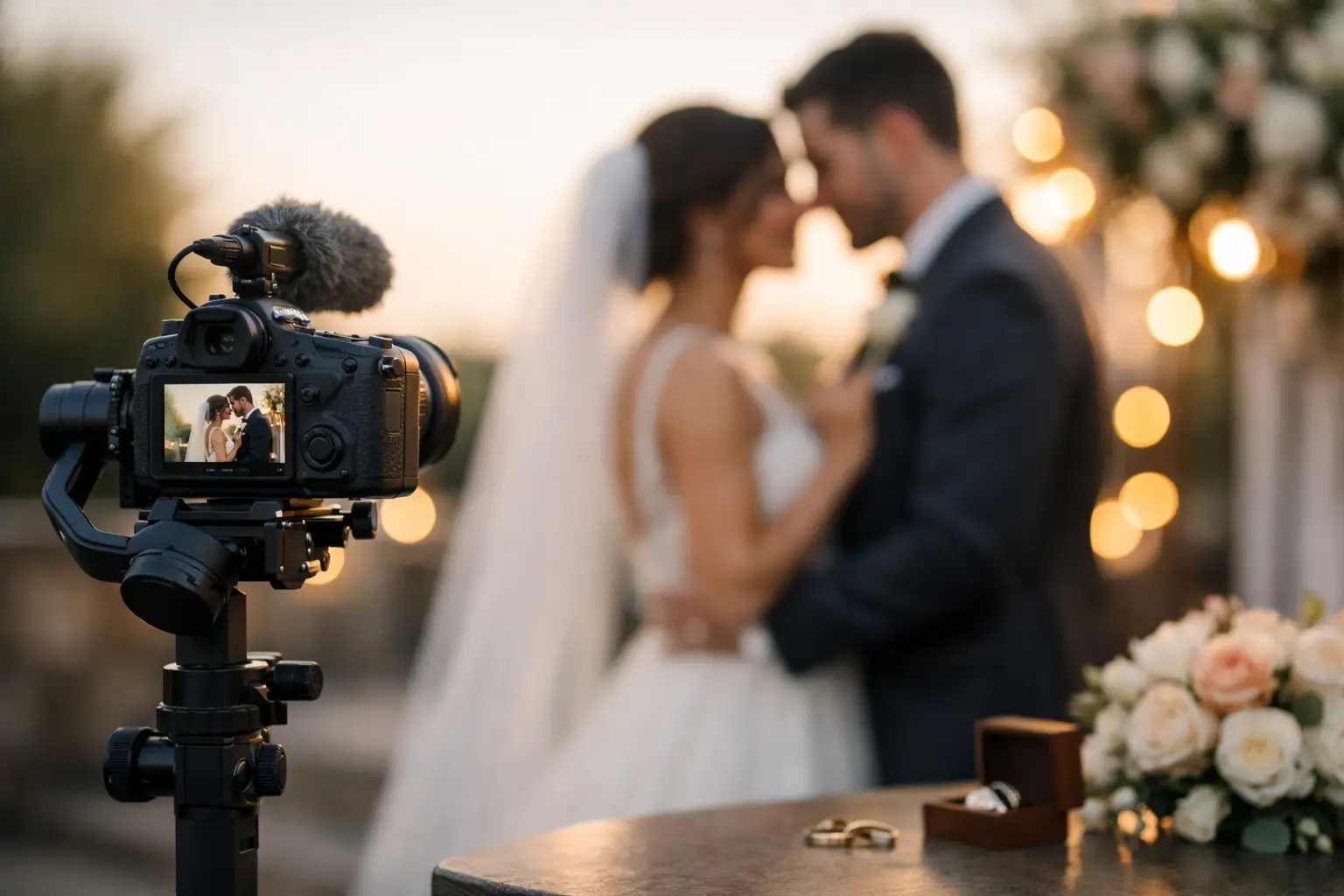
With two videographers, one can stay with each partner while getting ready, or one can focus on reactions while the other films the ceremony from a different angle. This creates more visual variety and better coverage of moments that happen at the same time.
Multiple cameras also help during the ceremony and speeches. They allow for cutaway shots, wider views, and close-ups without interrupting the flow of the event. If a package includes cinematic coverage, this is often part of how that polished look is created.
Editing style, music, and storytelling approach
A lot of the value in wedding videography happens after the wedding day. Filming is only one part of the service. Editing is where the footage becomes a story.
Most wedding videography packages include color correction, audio syncing, clip selection, and a finished edit that reflects the style of the company. Some films are romantic and cinematic. Others are cleaner and more documentary in tone. Neither is wrong, but you should know what style you are booking.
Music selection may also be part of the package. In some cases, the videographer chooses licensed music that fits the mood and pacing of your day. In others, you may have input on the tone or genre. What matters most is that the editing feels natural to your personalities and the way your wedding actually felt.
At Adorable Times Photography, the goal is always to create wedding films that feel heartfelt, polished, and true to the couple, while keeping packages affordable for families who want professional results without unnecessary stress.
Common add-ons that may not be standard
Not everything couples want is automatically included. Drone footage, extra coverage hours, same-day edits, raw footage, rehearsal dinner coverage, and social media teaser clips are often upgrades rather than standard features.
This is not a bad sign. It simply reflects that different weddings need different levels of production. A ballroom wedding with a large guest count may need more crew and gear than an intimate backyard ceremony. A destination wedding may also involve travel-related adjustments.
Raw footage is one area where expectations should be clear. Some couples assume they will receive every unedited clip, but many videographers do not include that by default. If having all recorded footage matters to you, ask before booking.
How to tell if a package is truly worth it
Price matters, especially for couples balancing a real wedding budget. But value comes from what is covered, how reliably it is filmed, and how thoughtfully it is edited. A lower package may be perfect if you only want essential coverage. A more complete package may save disappointment later if you know you will want the full story preserved.
Ask simple questions. How many hours are included? How many videographers will be there? Will audio from vows and speeches be recorded? Are you receiving a highlight film, full ceremony edit, or both? How are the final videos delivered? Those answers tell you far more than a package name ever will.
Wedding videography is about more than documenting what happened. It preserves movement, voices, reactions, and atmosphere – the parts of the day that photography alone cannot fully hold. When you choose a team with experience, professionalism, and a genuine respect for the importance of your memories, you are giving yourselves something lasting to come back to long after the celebration ends.